




What's Happening?
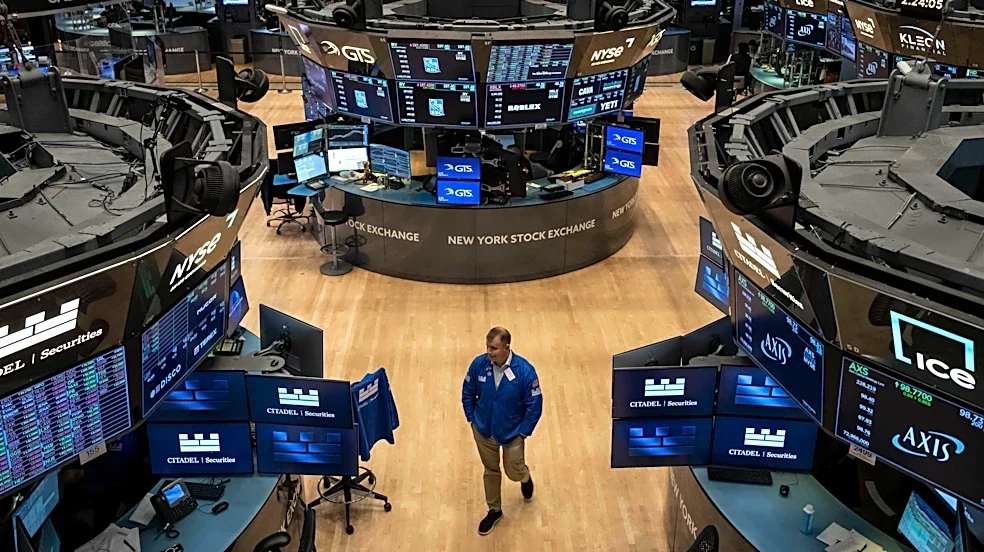
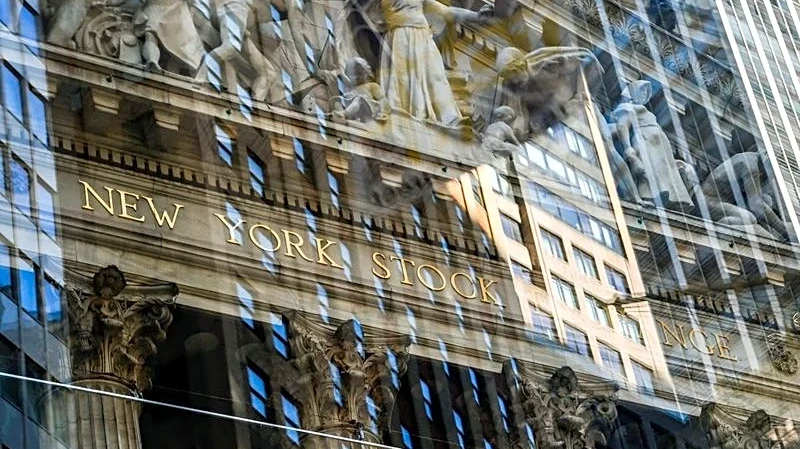
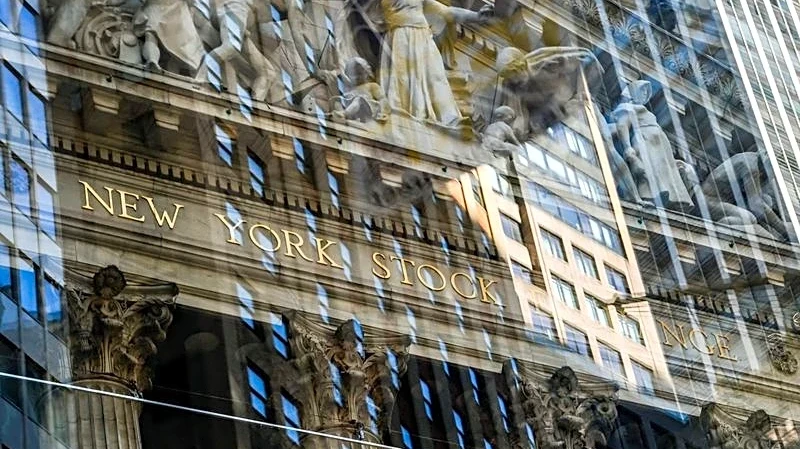
An Initial Public Offering (IPO) in the U.S. involves a private company selling its shares to the general public for the first time, typically followed by a listing on a stock exchange like the New York Stock Exchange or Nasdaq. The process begins with
the company registering the offering with the Securities and Exchange Commission (SEC), usually on Form S-1. This is followed by an SEC review, a roadshow to market the shares, and finally, pricing. The timeline from kickoff to pricing often takes about four months, though companies usually spend a year or more preparing. The SEC's role is to ensure disclosure is complete and the offering is registered, not to approve the investment itself. Most U.S. companies now submit draft registration statements confidentially, but they must file publicly at least 15 days before the roadshow begins. Two legal teams, company counsel and underwriters’ counsel, manage the extensive documentation and due diligence required.
Why It's Important?
The U.S. IPO process is a critical mechanism for companies to raise capital, expand operations, and provide liquidity for early investors. Its structured nature, governed by SEC regulations, aims to protect investors by ensuring transparency and accountability. The rigorous legal and financial due diligence involved, particularly under Section 11 of the Securities Act, holds companies and underwriters strictly liable for material misstatements, fostering investor confidence. This framework is essential for maintaining the integrity of U.S. capital markets, which are a cornerstone of the national economy. The ability of companies to access public funding through IPOs fuels innovation, job creation, and economic growth. Understanding this process is vital for both companies considering going public and investors evaluating new opportunities, as it outlines the significant commitments and risks involved in transitioning from private to public ownership.
What's Next?
Companies preparing for an IPO must continue to navigate the SEC review process, respond to comment letters, and conduct roadshows to gauge investor interest. Market volatility and changes to financial statements can extend the timeline, requiring flexibility and continuous adaptation. Once the SEC declares the registration statement effective, the banks will build the book of orders, and the company and underwriters will agree on the final price. Following pricing, the underwriting agreement is signed, shares begin trading, and the company receives the proceeds a few days later. Insiders typically face a lock-up period, usually 180 days, preventing immediate sales to avoid market saturation. The ongoing monitoring of market conditions and regulatory compliance remains crucial for newly public companies.
Beyond the Headlines
The U.S. IPO process, while seemingly a straightforward financial transaction, embodies deeper legal and ethical considerations. The strict liability under Section 11 of the Securities Act underscores a fundamental principle of investor protection, holding all parties accountable for the accuracy of information presented to the public. This legal framework not only safeguards investors but also shapes corporate governance and disclosure practices, pushing companies towards greater transparency. The 'quiet period' restrictions on publicity highlight the delicate balance between marketing an offering and preventing misleading statements, reflecting the SEC's commitment to fair and informed markets. Furthermore, the option for confidential submission of draft registration statements, particularly for 'emerging growth companies,' illustrates a regulatory effort to balance investor protection with facilitating access to capital for smaller, growing businesses, acknowledging the diverse needs within the U.S. economic landscape.