





What's Happening?
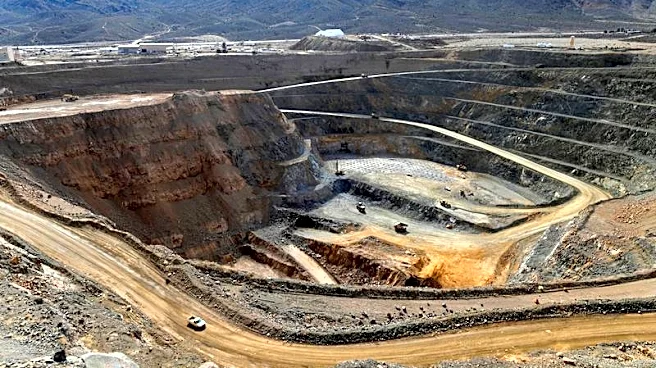
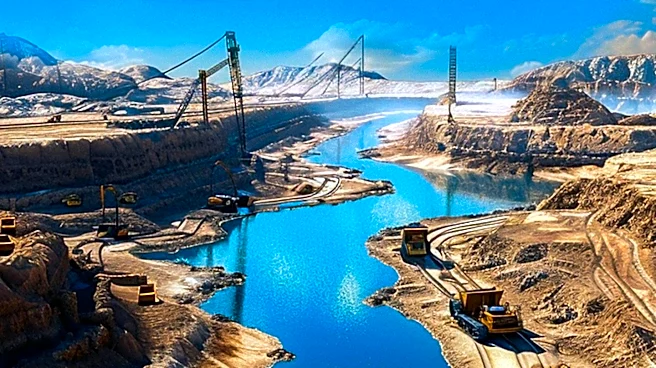
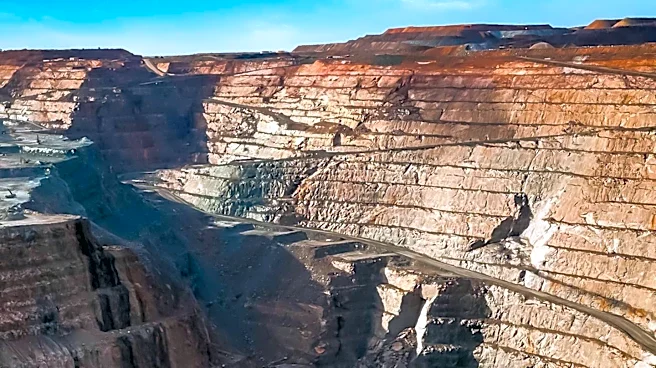
The planned reopening of CATL's crucial lithium mine in Jiangxi province has been postponed. This delay stems from procedural problems identified in the environmental impact assessment (EIA) process. Local environmental authorities withdrew the public
disclosure of the EIA report for the mine's restart, citing concerns about the transparency of the information provided. The mine, a significant source of lithium for CATL, has been out of operation since its mining license expired in August of last year. CATL had been pursuing various permitting procedures to resume operations, including changes to the mining scope, reducing the annual mining scale from 450,000 tons to 300,000 tons, and expanding the types of minerals extracted. The unexpected setback in the EIA process has introduced uncertainty regarding the mine's future and its potential impact on the global lithium market. The local authorities have indicated they will re-disclose the EIA after verifying the public opinion collection process and making necessary revisions.
Why It's Important?
The delay in the reopening of CATL's Jiangxi lithium mine carries significant implications for the global lithium supply chain and, consequently, for the electric vehicle (EV) and battery industries, including those in the U.S. CATL is the world's largest battery manufacturer, and this mine is a key source of its raw material. The mine is estimated to produce approximately 10,000 tons of lithium carbonate equivalent (LCE) annually when fully operational, representing about 4% of the global lithium supply. A prolonged shutdown could tighten the global lithium market, potentially leading to price volatility and increased costs for battery manufacturers and EV producers worldwide. This situation highlights the fragility of critical mineral supply chains and the impact of regulatory and environmental hurdles on global commodity markets. For U.S. companies reliant on lithium, this could translate to higher input costs and potential delays in EV production, further emphasizing the need for diversified and secure supply sources.
What's Next?
The immediate next step involves the local environmental authorities re-evaluating the public opinion collection process and revising the environmental impact assessment report. Once these procedural issues are addressed, the report will be re-disclosed for public review. Industry experts are closely watching when CATL will successfully navigate the EIA process and secure the necessary approvals for production to resume. The timeline for these approvals remains unclear, contributing to market uncertainty. The future operational schedule of the mine, projected for approximately 18 years of open-pit mining, hinges on the successful completion of these regulatory steps. The market will likely react to any news regarding the EIA's re-disclosure and subsequent approval, potentially influencing lithium futures prices. The delay could also prompt CATL to further diversify its lithium sourcing strategies to mitigate future supply risks.
Beyond the Headlines
This incident underscores the growing tension between environmental regulations and the accelerating demand for critical minerals essential for the global energy transition. While the immediate cause of the delay is procedural transparency in the EIA, it reflects broader challenges in balancing industrial expansion with environmental protection. The scrutiny over the public disclosure process suggests an increasing emphasis on community engagement and environmental accountability in mining projects, even in regions with historically less stringent oversight. For the U.S. and other nations aiming to reduce reliance on foreign critical mineral sources, this situation highlights the complexities and potential delays inherent in establishing new mining operations or restarting existing ones, even when the minerals are deemed strategically vital. It also brings to light the ethical and social dimensions of mineral extraction, where local community concerns can significantly impact global supply chains and the pace of technological advancement.