






What's Happening?
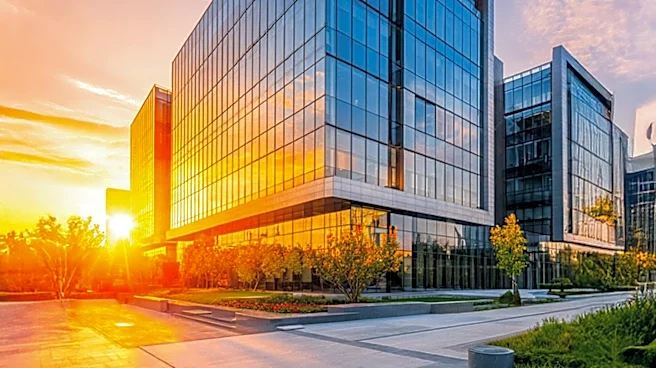
Research Triangle Park (RTP), one of the largest research parks in the United States, is undergoing a significant transformation from a traditional weekday work hub to a vibrant mixed-use community. For 65 years, RTP, sprawling over 7,000 acres between
Raleigh and Durham, was primarily designed for office work, housing major companies like Cisco Systems, Lenovo, and Novartis. However, with evolving worker attitudes and the rapid growth of the Raleigh-Durham metro area, the Research Triangle Foundation, which manages RTP, has adopted zoning changes under its 'RTP 3.0' plan. These changes will permit the construction of apartments, townhomes, and mixed-use developments, a move that received unanimous support from the park's corporate tenants. This initiative aims to create a more integrated environment where people can live, work, and socialize, addressing the historical lack of amenities and residential options within the park.
Why It's Important?
This transformation of Research Triangle Park is crucial for several reasons, impacting both the regional economy and the broader understanding of urban development. By introducing residential and retail components, RTP aims to attract and retain top talent who increasingly seek integrated living and working environments. This shift can enhance the park's competitiveness against other tech and research hubs, fostering innovation and economic growth in North Carolina. The move also reflects a national trend where traditional office parks are reimagining their purpose in response to changing work patterns, particularly post-COVID-19. For businesses, having employees live closer to work can reduce commute times, improve work-life balance, and potentially boost productivity and employee satisfaction. For the region, it signifies a strategic investment in sustainable growth, creating a more dynamic and attractive urban landscape that supports a diverse range of activities beyond just nine-to-five work.
What's Next?
Work is already underway on new developments within Research Triangle Park, including the establishment of a 'downtown district' and popular amenities like Boxyard RTP, an outdoor food hall. Over the next five years, more development is anticipated as builders capitalize on the new zoning regulations. This will likely include a significant increase in residential units, retail spaces, and community facilities, further integrating living and working environments. The success of RTP's transformation could serve as a model for other large-scale research and business parks across the country facing similar challenges of evolving workforce demands and regional growth. The ongoing development will be closely watched for its impact on traffic, infrastructure, and the overall quality of life in the Raleigh-Durham area, as the park strives to balance its historical role as a research hub with its new identity as a comprehensive community.
Beyond the Headlines
The evolution of Research Triangle Park delves into deeper societal and urban planning implications. It challenges the traditional suburban office park model, which often contributed to urban sprawl and long commutes, by advocating for denser, more walkable, and amenity-rich environments. This shift aligns with broader sustainability goals, potentially reducing carbon footprints by minimizing reliance on personal vehicles. Ethically, it raises questions about equitable access to these new integrated communities and ensuring that the development benefits a diverse population, not just high-income tech workers. Culturally, it signifies a move towards a more holistic view of work and life, where the boundaries between professional and personal spheres become more fluid. The long-term success of RTP 3.0 could influence future urban planning strategies, emphasizing the creation of '15-minute cities' or similar concepts where essential services and opportunities are easily accessible, fostering stronger community ties and a higher quality of life.