




What's Happening?
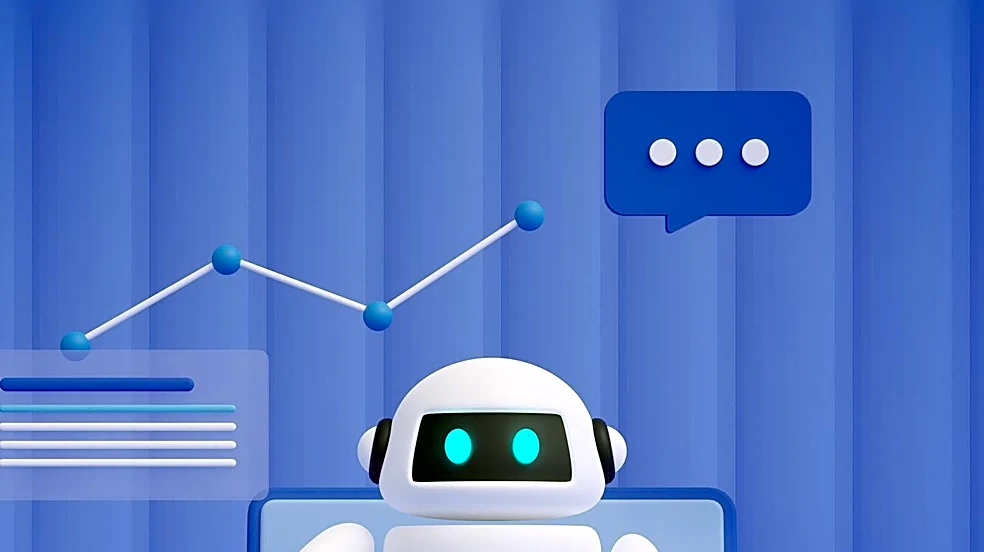
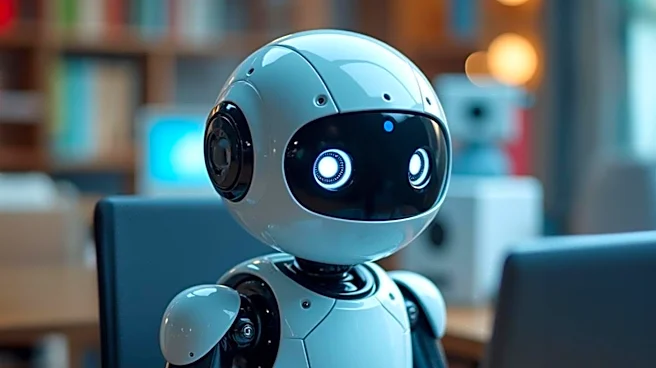
Automated customer service assistants, powered by artificial intelligence (AI), are increasingly being deployed to enhance customer interactions and boost the capacity of contact centers across the U.S. These AI-driven virtual assistants are designed
to provide human-level support at scale, addressing customer queries, offering solutions, and even facilitating purchasing decisions. This technology aims to improve customer satisfaction and loyalty by providing instant support without the need for live agents for routine inquiries. Businesses are adopting these solutions to reduce operational costs and enable human agents to focus on more complex issues. The integration of conversational AI into existing Interactive Voice Response (IVR) systems is also occurring without requiring significant infrastructure changes, allowing for a gradual and scalable implementation. These assistants also provide real-time knowledge recommendations, suggested scripts, next-best-action guidance, and automated call summaries to improve the efficiency of customer service representatives.
Why It's Important?
The widespread adoption of AI-powered virtual assistants is poised to significantly impact the U.S. customer service industry. For businesses, this translates into substantial cost savings and increased operational efficiency, as AI handles a large volume of routine interactions, freeing up human agents for more complex tasks. This shift can lead to a more streamlined and effective customer service model, potentially improving customer retention and brand perception. Customers stand to gain from faster resolution times and 24/7 access to support, which can reduce frustration and enhance their overall experience. The technology's ability to augment existing IVR systems without major overhauls makes it accessible for a broader range of companies, from small businesses to large corporations. This trend also highlights a broader move towards automation in service industries, potentially reshaping the job market for customer service representatives, with a greater emphasis on problem-solving and specialized support roles.
What's Next?
The continued evolution of AI-powered virtual assistants is expected to lead to more sophisticated and personalized customer interactions. Businesses will likely focus on further integrating these assistants with other AI technologies, such as generative AI, to provide even more nuanced and context-aware responses. The trend of augmenting existing IVR systems with conversational AI is anticipated to accelerate, allowing companies to gradually scale their AI capabilities. We can expect to see ongoing developments in natural language processing and understanding, making these virtual assistants more adept at handling complex queries and understanding customer intent. Furthermore, there will likely be an increased emphasis on seamless handoffs between AI assistants and human agents, ensuring that customers receive consistent and effective support regardless of the interaction channel. The focus will also be on leveraging AI to provide proactive support and anticipate customer needs, further enhancing the customer experience.
Beyond the Headlines
The rise of AI-powered customer service assistants brings forth several deeper implications beyond immediate operational benefits. Ethically, there's a growing discussion around the transparency of AI interactions and ensuring customers are aware when they are interacting with a virtual assistant versus a human. There are also considerations regarding data privacy and the secure handling of customer information by AI systems. Culturally, the increasing reliance on AI for customer service could reshape societal expectations for immediate gratification and personalized service, potentially influencing how businesses interact with their clientele across all sectors. The long-term impact on the workforce, particularly for entry-level customer service positions, will require careful consideration and potential retraining initiatives to adapt to evolving job roles. This technological shift also underscores the broader societal integration of AI, moving it from a niche technology to a fundamental component of everyday commercial interactions, prompting questions about human-AI collaboration and the future of work.