






What's Happening?
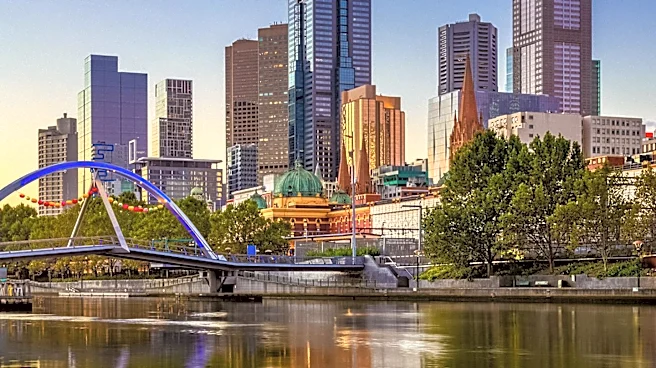
Melbourne, Australia, stands as the nation's second-largest city, renowned for its vibrant cultural scene, diverse culinary offerings, and significant sporting events. The city is a melting pot of multicultural communities, which is reflected in its varied
dining landscape, featuring Italian, Greek, Vietnamese, Chinese, Indian, and Middle Eastern cuisines. Beyond its food culture, Melbourne boasts a thriving arts scene, characterized by strong creative industries and a lifestyle that integrates cafes, parks, and cultural institutions. The city's architecture blends Victorian-era designs with modern developments, creating a distinctive urban character. Key areas like the Central Business District (CBD), Southbank, Docklands, and Fitzroy are easily accessible and host numerous museums, markets, parks, and major sporting venues. Melbourne is also recognized as Australia's Sporting Capital, hosting international events such as the Australian Open, the Melbourne Cup, and Formula 1's Australian Grand Prix. The city is home to several professional Australian Football League teams, A-League football clubs, and teams in the National Rugby League and National Basketball League, utilizing venues like the Melbourne Cricket Ground (MCG) and Rod Laver Arena. For travelers, Melbourne is served by Melbourne International Airport (MEL) and Avalon Airport (AVV), with extensive local transit options including one of the world's largest tram networks.
Why It's Important?
Melbourne's status as a major cultural and sporting hub has significant implications for tourism, local economy, and international relations. The city's ability to host world-class events like the Australian Open and the Formula 1 Grand Prix attracts a substantial number of international visitors, boosting the hospitality sector, creating employment opportunities, and generating considerable revenue. The diverse culinary scene, fueled by its multicultural heritage, not only enhances the city's appeal but also supports a wide array of small businesses and promotes cultural exchange. The strong emphasis on arts and culture, coupled with its unique architectural blend, contributes to Melbourne's global brand as a sophisticated and livable city, drawing in talent and investment. Furthermore, its robust public transportation system, including the extensive tram network, exemplifies sustainable urban development and enhances accessibility for both residents and tourists, reducing reliance on private vehicles. The presence of multiple professional sports teams fosters community engagement and pride, while also contributing to the sports industry's economic footprint.
What's Next?
Melbourne is expected to continue leveraging its reputation as a premier destination for major sporting and cultural events. The ongoing hosting of events like the Australian Open and the Melbourne Grand Prix will solidify its position on the international stage, likely leading to further investments in infrastructure and event management. The city's commitment to its arts and food scenes suggests a continued evolution of its cultural offerings, potentially attracting new creative talents and culinary innovators. Efforts to enhance urban accessibility and sustainability, such as improvements to its public transport network, are likely to persist, aiming to accommodate its growing population and tourist numbers. Additionally, the city's multicultural fabric will continue to enrich its social and economic landscape, fostering diverse businesses and cultural festivals. Future developments may also focus on integrating technology to further enhance visitor experiences and urban living, maintaining Melbourne's appeal as a dynamic global city.
Beyond the Headlines
Beyond its immediate economic and social benefits, Melbourne's vibrant identity as a cultural and sporting capital reflects deeper societal values. The city's embrace of multiculturalism, evident in its diverse culinary and artistic expressions, highlights a commitment to inclusivity and global citizenship. This approach fosters a rich tapestry of traditions and perspectives, contributing to a more tolerant and understanding society. The significant investment in public spaces, such as parks and cultural institutions, underscores a belief in the importance of community well-being and access to enriching experiences for all residents. Moreover, Melbourne's dedication to hosting major international sports events goes beyond mere entertainment; it promotes healthy lifestyles, inspires future generations, and provides a platform for global camaraderie. The blend of historical architecture with modern development also speaks to a respect for heritage while embracing progress, creating a city that is both rooted in its past and forward-looking. This holistic approach to urban development positions Melbourne as a model for other global cities striving for a balance between economic prosperity, cultural richness, and social cohesion.



