




What's Happening?
Mobileye, a dominant supplier of camera-based driver-assistance technology, is encountering heightened competition from AI chipmakers and software developers. This shift is occurring as the automated driving industry accelerates and technology requirements
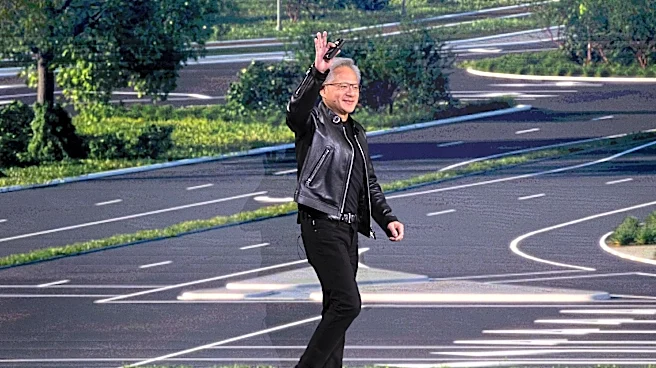
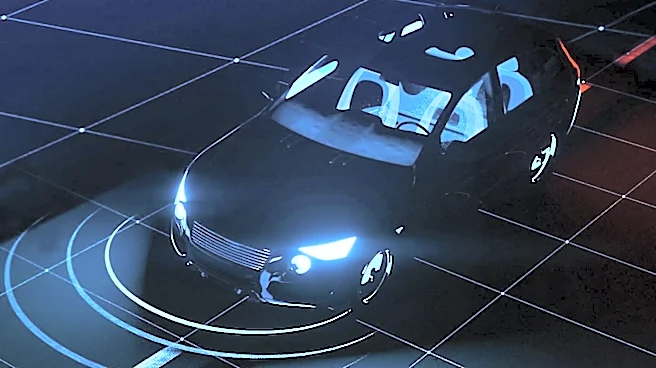
evolve. More sophisticated systems, such as those needed for navigating city streets, demand additional sensors and greater computing power, areas where chipmakers like Nvidia and Qualcomm hold strengths. Automakers are increasingly willing to invest in powerful processors that offer flexibility for future capability upgrades. While Mobileye aims for limited commercial deployment of its robotaxi service by 2027, its primary near-term focus is on expanding affordable hands-free highway driving solutions for the mass market. The company's cost-efficient chips currently support features like lane-keeping assistance and adaptive cruise control in approximately one in five vehicles globally. Mobileye anticipates supplying driver-assistance technology for about 40 million new vehicles this year, representing nearly half of global production.
Why It's Important?
The intensifying competition in the automated driving sector signifies a critical juncture for the automotive industry and technology providers. Mobileye's established market position is being challenged by companies offering more advanced computing solutions, which could lead to a diversification of suppliers for automakers. This competition is driving innovation in driver-assistance and autonomous driving technologies, potentially accelerating the development and adoption of safer and more efficient vehicles. Automakers are balancing the need for cutting-edge technology with the economic realities of mass production, leading to varied strategies. The shift towards more powerful processors capable of handling complex point-to-point navigation systems suggests a future where vehicles are equipped with greater computational capacity, enabling more advanced features and over-the-air updates. This could benefit consumers through enhanced vehicle capabilities but also poses challenges for companies like Mobileye to maintain their market share amidst rapidly advancing technological demands.
What's Next?
Mobileye plans to launch its own robotaxi service by the end of 2027, while also collaborating with partners like VW's MOIA to integrate its autonomous technology into other robotaxi fleets. The company is betting on its existing relationships with automakers and its expertise in cost-efficient technology to maintain its advantage as hands-free driving becomes a mainstream feature. However, major next-generation driver-assistance programs are not expected to ramp up until 2028, indicating a period of continued development and strategic positioning. Automakers will likely continue to pursue parallel strategies, investing in both advanced point-to-point driving technology with partners like Wayve and Qualcomm, while also extending their higher-volume Mobileye programs. The global demand for hands-free highway driving systems is projected to grow by approximately 20% annually through 2030, suggesting a significant market opportunity for all players in this evolving landscape.
Beyond the Headlines
The evolving landscape of automated driving technology highlights a broader trend of increasing software and AI integration in traditional industries. The competition Mobileye faces underscores the importance of adaptability and continuous innovation in high-tech sectors. As vehicles become more sophisticated, the lines between automotive manufacturing and software development blur, creating new ecosystems of partnerships and rivalries. The push for more powerful processors in vehicles reflects a desire for future-proofing, allowing automakers to add new features and capabilities through software updates, similar to how smartphones evolve. This shift could lead to new business models, such as subscription-based features for advanced driving assistance, and raises questions about data privacy and cybersecurity in increasingly connected vehicles. The long-term implications include potential changes in urban planning, transportation infrastructure, and even the very concept of vehicle ownership as autonomous services become more prevalent.