



What's Happening?
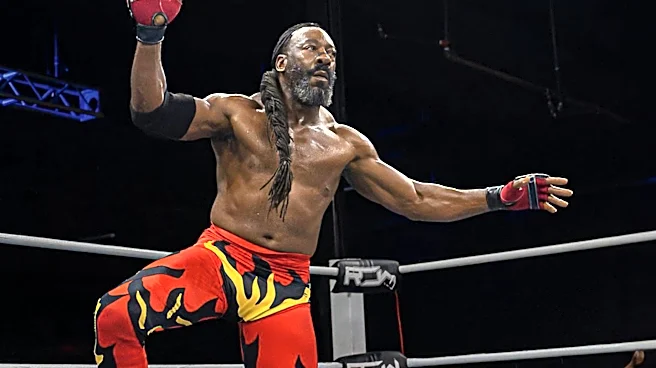
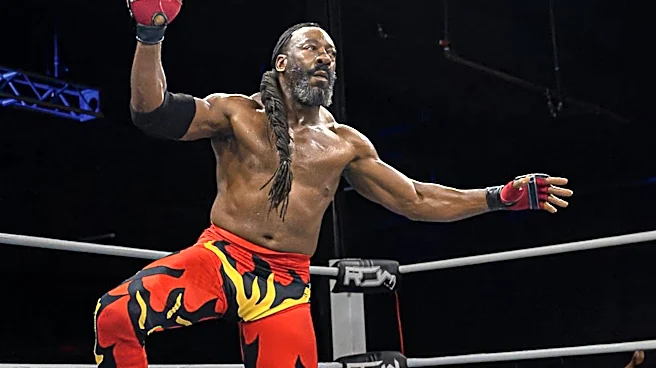
WWE Hall of Famer Booker T, during an episode of his 'Hall of Fame' podcast, commented on All Elite Wrestling's (AEW) approach to professional wrestling. Since its inception in 2019, AEW has positioned itself as an alternative to WWE, offering a style
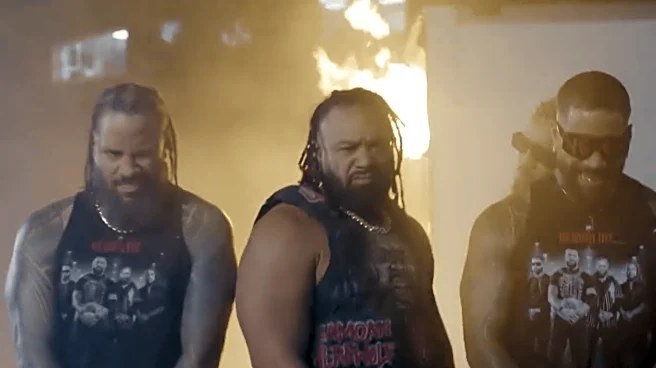
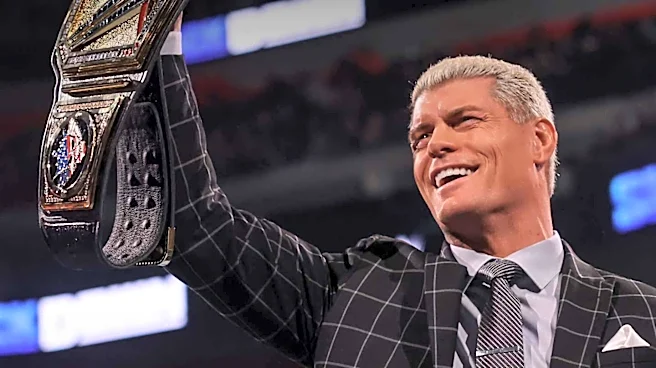
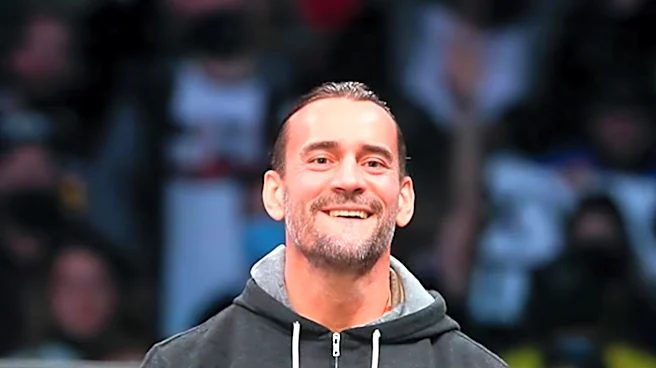
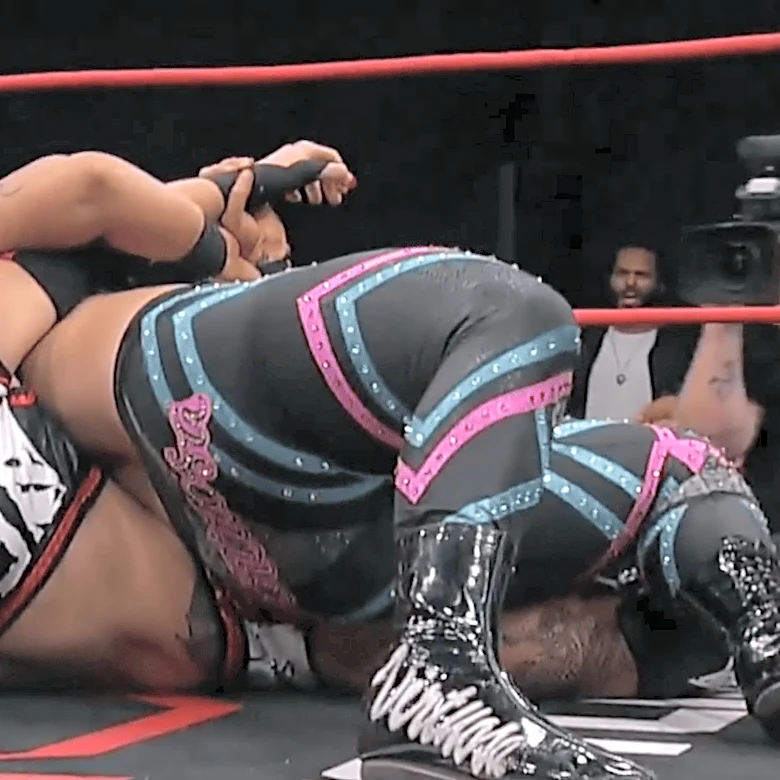
of televised pro wrestling that more closely resembles independent wrestling. Booker T noted that AEW appears to be trying to change how people watch wrestling. He observed that some wrestlers, despite having significant momentum upon joining AEW, have not achieved higher success within the promotion. He cited examples like CM Punk, Matt Cardona, and Cody Rhodes, suggesting they didn't quite 'fit in' with AEW's distinct style and philosophy. Booker T also mentioned 'The Hurt Syndicate' as a group that started 'hot' but has since cooled off in AEW, attributing this to the promotion's unique entertainment-focused approach rather than just match performance.
Why It's Important?
Booker T's observations highlight a significant divergence in philosophy within the professional wrestling industry, particularly between established giants like WWE and newer alternatives like AEW. This commentary is important because it underscores AEW's deliberate strategy to carve out a unique identity by offering a different product to wrestling fans. If AEW successfully redefines the viewing experience, it could lead to a shift in audience expectations and preferences, potentially influencing how other promotions, including WWE, structure their content and talent development. For wrestlers, this means that success might increasingly depend on adapting to specific company cultures and styles, rather than just in-ring ability. The perceived struggle of some established talents to 'fit in' with AEW could also impact future talent acquisitions and the overall competitive landscape of professional wrestling in the U.S.
What's Next?
The ongoing evolution of AEW's product and its impact on the broader wrestling landscape will be a key area to watch. If AEW continues to gain traction with its unique approach, it could solidify its position as a major player and potentially inspire other promotions to experiment with different styles. Conversely, if the 'alternative' approach proves to be a niche market, AEW might face pressure to adjust its strategy to appeal to a wider audience. The success or struggles of wrestlers transitioning between promotions like WWE and AEW will continue to be a barometer for how well different styles of wrestling resonate with fans. This dynamic competition could lead to more diverse offerings for wrestling enthusiasts and potentially influence talent contracts and creative control within the industry.
Beyond the Headlines
Beyond the immediate competitive aspects, Booker T's comments touch upon a deeper cultural shift within professional wrestling. The 'indie wrestling' style, often characterized by more athletic, less character-driven performances, contrasts with the more entertainment-focused, narrative-heavy approach traditionally associated with WWE. AEW's attempt to blend these elements or lean more heavily into the indie style could reflect a generational change in what wrestling fans seek. This shift might also influence how wrestling is perceived as a form of entertainment, moving it further from traditional sports entertainment and closer to a performance art with diverse sub-genres. The long-term implications could include changes in training methodologies for aspiring wrestlers, the types of stories told in wrestling, and even the demographic makeup of the fan base, as different styles appeal to different audiences.