





What's Happening?
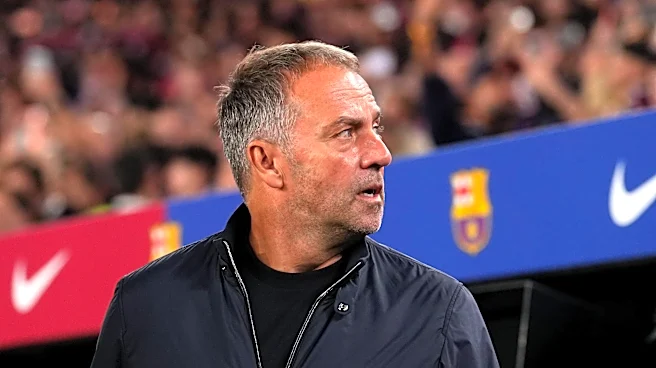
FC Barcelona, despite a recent five-goal victory against Deportivo Alavés, is facing significant scrutiny as they prepare for crucial matches against Aston Villa and Atlético Madrid. The team's coach, Hansi Flick, is under pressure to demonstrate adaptability,
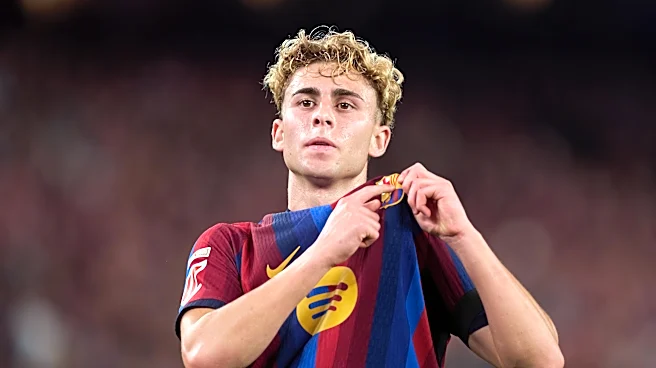
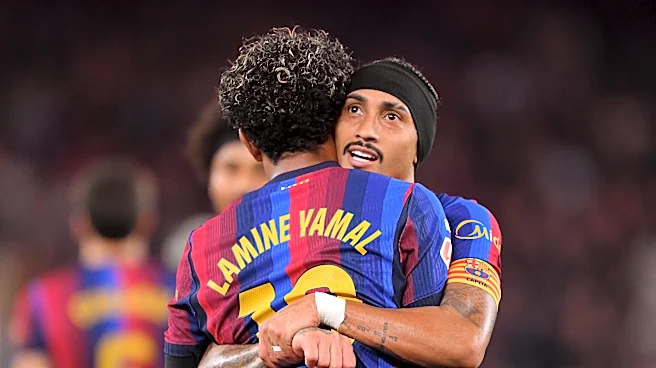
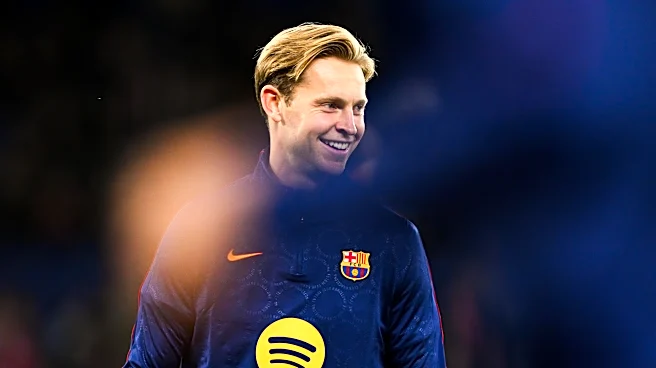
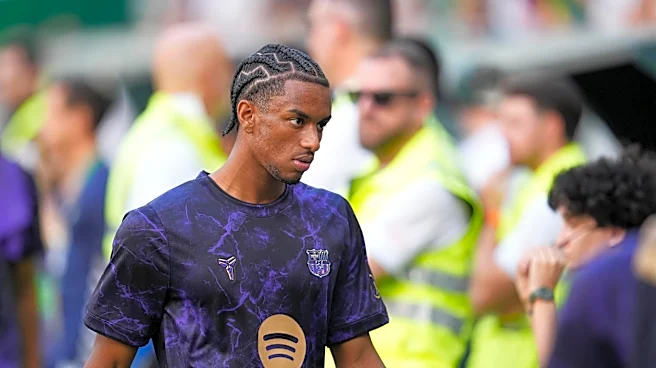
especially given the club's defensive injury crisis. Key players like Andreas Christensen, Jules Kounde, and Eric Garcia are expected to return to full strength after the next international break, but their absence for the upcoming games poses a challenge. Flick's short-term solution against Alavés involved starting midfielder Brian Fariñas at full-back and Frenkie de Jong, recently recovered from injury, at center-back. While this improvised defense performed well, questions remain about its viability against stronger opponents. The club's depth, particularly in defense, is a concern compared to its main rivals, suggesting that current issues could resurface.
Why It's Important?
This period is critical for FC Barcelona as it will test Coach Flick's strategic capabilities and the team's resilience. The outcomes of the matches against Aston Villa and Atlético Madrid will be a significant indicator of Barcelona's potential to compete at the highest levels, particularly in the Champions League and against top La Liga contenders like Real Madrid and Atlético Madrid. The club's ability to adapt to internal challenges, such as injuries, and external pressures from strong rivals, is crucial for their long-term success. A failure to perform well in these high-stakes games could lead to increased pressure on Flick and the club's leadership, potentially impacting fan confidence and future strategic decisions regarding squad depth and player management. The performance will also influence the team's standing in La Liga, with Atlético Madrid having the opportunity to surpass Barcelona if they win.
What's Next?
Coach Flick faces immediate decisions regarding his defensive strategy for the upcoming matches against Aston Villa and Atlético Madrid. He must determine whether to maintain the improvised defensive lineup that succeeded against Alavés or to implement a 'plan B' that accounts for the team's current vulnerabilities and the strength of their opponents. The return of key defensive players after the international break will offer some relief, but the immediate challenge requires careful tactical planning. The results of these games will provide an early glimpse into Flick's management style during high-pressure situations, which will be vital for the team's performance in the latter stages of the season, particularly in the Champions League and the ongoing La Liga title race.
Beyond the Headlines
Beyond the immediate results, these matches highlight a deeper issue within FC Barcelona: the need for strategic depth and adaptability. The reliance on a 'plan A' high-intensity system, while effective against smaller teams, becomes vulnerable when the squad is not at full strength or when facing tactically astute opponents. The club's past struggles against top-tier teams like PSG and Real Madrid suggest a recurring challenge in adapting to diverse rival tactics. This situation underscores the importance of a robust squad and flexible coaching strategies to navigate the demands of a long season across multiple competitions. The decisions made now could influence the club's long-term player development and transfer policies, emphasizing the need for a more resilient and adaptable team structure.