



What's Happening?
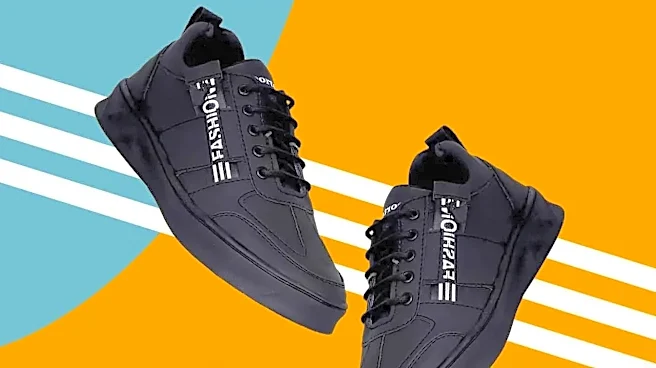
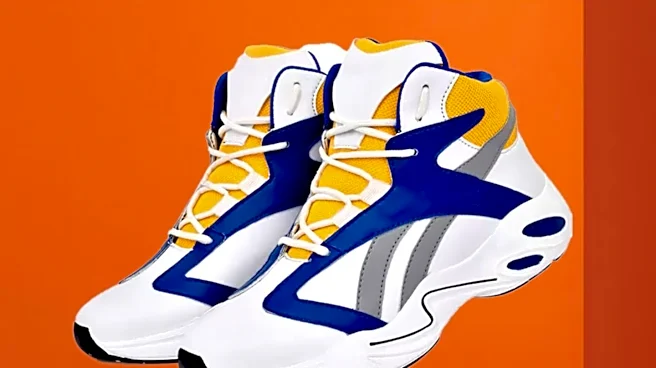
The luxury activewear market is currently experiencing a significant revival of Y2K aesthetics, blending nostalgic elements from the early 2000s with contemporary comfort and wearable designs. This trend is particularly evident in footwear, with iconic
sportswear brands like adidas and New Balance re-emerging with sporty retro sneakers and fashion-forward silhouettes. The appeal lies in offering expressive yet practical pieces that resonate with today's shoppers who seek fun, identity-rooted fashion. This movement incorporates bold visual language, futuristic details, and playful proportions, making Y2K-inspired footwear versatile enough to complement various modern wardrobes, from cargo pants and denim to dresses and mini skirts. The focus is on curating items that are both current and wearable, drawing inspiration from the past while maintaining a strong emphasis on present-day functionality and style.
Why It's Important?
This Y2K revival in luxury activewear is important because it reflects a broader cultural shift towards nostalgia and individuality in consumer preferences. For U.S. industries, particularly fashion and retail, this trend presents significant opportunities for growth and innovation. Brands that successfully integrate retro aesthetics with modern demands for comfort and versatility stand to gain market share. Consumers are increasingly looking for products that offer both expressive style and practical wearability, moving away from purely trend-driven purchases. This shift encourages brands to delve into their archives for inspiration while simultaneously investing in new materials and construction techniques to meet contemporary expectations. The emphasis on 'wearable' and 'expressive' pieces suggests a market that values personal style and comfort equally, influencing product development and marketing strategies across the activewear sector.
What's Next?
The foreseeable future for luxury activewear will likely see a continued integration of Y2K elements, with brands exploring new materials, finishes, and constructions to keep the trend fresh. Consumers can expect more collaborations between high-end fashion labels and sportswear giants, further blurring the lines between athletic wear and everyday fashion. The focus will remain on creating versatile pieces that can transition seamlessly between different occasions and personal styles. Retailers will likely expand their curated collections of Y2K-inspired activewear, offering a wider range of retro sneakers, statement soles, and polished throwback shapes. This sustained interest in nostalgic yet functional fashion will drive product innovation and marketing efforts, with brands aiming to capture the attention of shoppers who prioritize both style and comfort in their activewear choices.
Beyond the Headlines
Beyond the immediate trend, the Y2K revival in luxury activewear highlights a deeper cultural phenomenon: the cyclical nature of fashion and the enduring appeal of nostalgia. This trend is not merely about replicating past styles but reinterpreting them through a modern lens, emphasizing comfort, sustainability, and individuality. It suggests that consumers are increasingly seeking emotional connections with their purchases, valuing stories and heritage alongside contemporary design. This could lead to a more conscious consumption pattern, where shoppers invest in pieces that offer longevity and personal expression rather than fleeting trends. The blend of 'luxury' and 'activewear' also signifies a continued blurring of traditional dress codes, promoting a more relaxed yet sophisticated approach to daily attire. This evolution could influence broader lifestyle choices, encouraging a balance between active living and personal style.