





What's Happening?
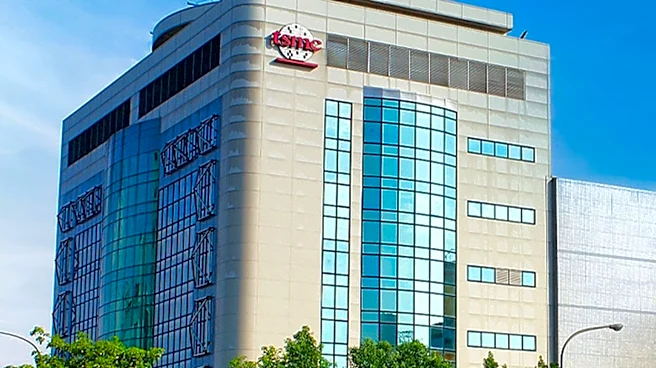
Dr. C.C. Wei, TSMC Chairman and CEO, highlighted the critical role of supply chain collaboration in sustaining the company's investment and growth despite global economic challenges. Speaking at the 2025 Supply Chain Management Forum, Wei underscored
that TSMC's confidence in continuous investment is rooted in the deep trust shared with its supply chain partners. He stated that the company's objective is to foster customer innovation and success, asserting that only through close and agile collaboration within the 'grand alliance' can the industry overcome obstacles and drive technological advancements. The forum recognized suppliers for their contributions to advanced process development, packaging, capacity expansion, and international manufacturing footprint. TSMC also increased its focus on construction safety, sustainability, and localization, indicating a broadening definition of supplier excellence as semiconductor manufacturing becomes more demanding. This emphasis reflects the intricate interdependence within the semiconductor ecosystem, where the effectiveness of the manufacturing platform relies on coordinated activities across various suppliers.
Why It's Important?
This emphasis on supply chain collaboration by TSMC, a leading global semiconductor manufacturer, is crucial for the U.S. technology sector and broader economy. The U.S. relies heavily on advanced semiconductors for various industries, including defense, artificial intelligence, and consumer electronics. Strong, resilient supply chains are essential to ensure a consistent and reliable flow of these critical components. Macroeconomic uncertainties, such as geopolitical tensions and fluctuating demand, can disrupt these chains, leading to shortages, increased costs, and delays in product development and delivery. By fostering deep trust and agile collaboration with its suppliers, TSMC aims to mitigate these risks, which directly benefits U.S. companies that depend on its manufacturing capabilities. Furthermore, TSMC's focus on localization and sustainability in its supply chain could influence U.S. policy discussions around domestic semiconductor production and environmental standards within the industry. A stable and efficient semiconductor supply chain is vital for U.S. technological competitiveness and economic security, making TSMC's strategic approach a significant factor for stakeholders.
What's Next?
TSMC's continued focus on strengthening its supply chain and expanding its international manufacturing footprint suggests ongoing efforts to enhance resilience and meet global demand. The company's recognition of suppliers for advanced packaging support, technology collaboration, automation, and global production assistance indicates future investments and partnerships in these areas. The increased emphasis on construction safety, sustainability, and localization will likely lead to stricter requirements and incentives for suppliers to adopt best practices in these domains. For U.S. companies, this could mean more stable access to advanced semiconductor technologies, but also potential adjustments to their own operational and environmental standards to align with TSMC's evolving expectations. The broader industry can anticipate a continued push towards integrated and coordinated efforts across the semiconductor ecosystem to navigate future challenges and capitalize on technological breakthroughs, particularly in areas like AI and advanced computing.
Beyond the Headlines
The strategic importance of TSMC's supply chain management extends beyond immediate operational efficiencies, touching upon broader geopolitical and economic implications. The semiconductor industry is a cornerstone of modern technological advancement, and the ability of a single company like TSMC to navigate complex global dynamics through robust supply chain partnerships highlights the interconnectedness of the world economy. The emphasis on localization, for instance, could be seen as a response to increasing calls for national self-sufficiency in critical technologies, potentially influencing where future manufacturing facilities are built and how supply networks are structured. Moreover, the integration of sustainability and safety into supplier excellence criteria reflects a growing awareness of corporate social responsibility within the tech sector. This shift could set new industry benchmarks, encouraging other manufacturers to adopt similar holistic approaches that consider not just economic output but also environmental and social impacts, thereby shaping the ethical and operational landscape of global manufacturing.