


What's Happening?
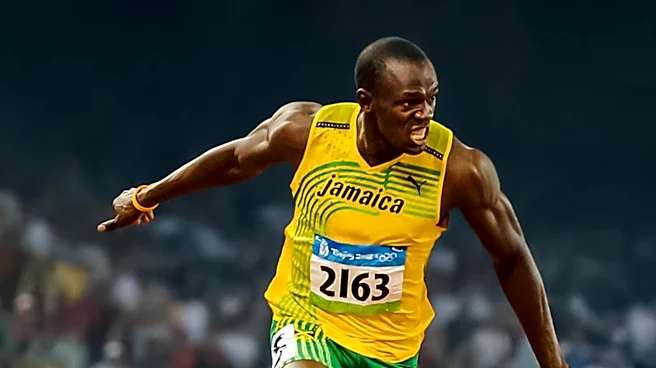
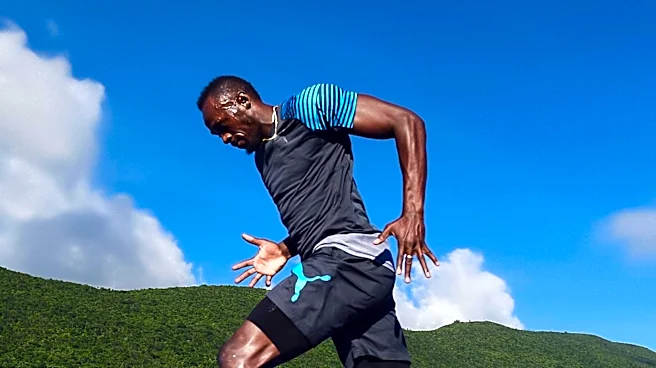
Social media personality iShowSpeed, who boasts nearly 200 million followers across his platforms, recently showcased his sprinting abilities in a 100m dash that garnered attention from eight-time Olympic champion Usain Bolt. In a video shared on his channel,
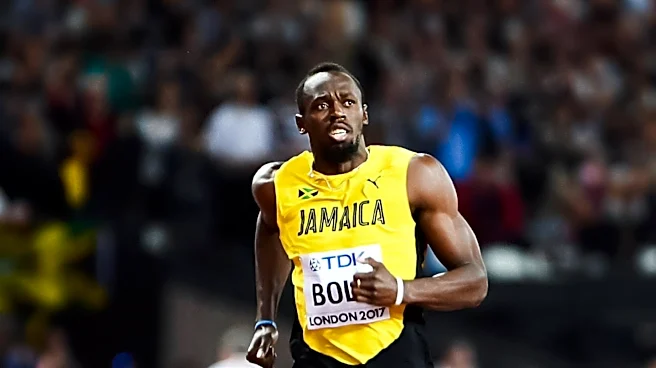
iShowSpeed appeared to clock a time of 10.35 seconds for the 100m sprint. This performance led to a direct interaction with Bolt, who holds the world records for the fastest 100m and 200m, set in 2009. Bolt expressed significant impressio, stating, "10.35, that’s nice, that’s nice," and further commended iShowSpeed by saying, "Well done, well done, well done. So your transition was way better, you got everything together. So well done, man. Well done. I’m very impressed, man. I was very impressed." The video and iShowSpeed's sprint quickly circulated on social media, with many viewers echoing Bolt's sentiments regarding the impressive athletic feat.
Why It's Important?
This event highlights the growing influence of social media personalities in mainstream culture and their ability to cross over into traditional fields like sports. iShowSpeed's interaction with a legendary athlete like Usain Bolt not only boosts his own profile but also brings a new audience to track and field, potentially inspiring younger generations who follow online content creators. For the sports industry, this demonstrates a new avenue for engagement and promotion, leveraging digital platforms and internet celebrities to generate interest. It also underscores the power of viral content to create significant moments that transcend typical entertainment boundaries, showcasing how non-professional athletes can achieve remarkable physical feats that resonate with a global audience. The positive reception from a figure like Bolt lends credibility to iShowSpeed's athletic display, further blurring the lines between digital entertainment and professional sports.
What's Next?
The viral success of iShowSpeed's sprint and Usain Bolt's endorsement could lead to further collaborations between social media influencers and professional athletes or sports organizations. This might open doors for iShowSpeed to participate in more athletic challenges or promotional events, potentially even in a more structured athletic context, though he is not a professional sportsman. The attention generated could also encourage other content creators to explore and share their athletic talents, fostering a new trend of 'influencer athletes.' For Usain Bolt, this interaction reinforces his status as a global sports icon, capable of recognizing and encouraging talent from diverse backgrounds. The event may also prompt discussions within the sports community about how to best integrate and leverage the reach of social media stars to expand the appeal of athletic competitions.
Beyond the Headlines
This incident reflects a broader cultural shift where digital fame can translate into recognition in traditional domains, challenging conventional pathways to athletic or public prominence. It raises questions about the definition of an 'athlete' in the modern era, where raw talent showcased online can capture the attention of world-renowned professionals. The phenomenon also underscores the evolving nature of celebrity and influence, where a massive online following can create opportunities that were once exclusive to established industries. Ethically, it highlights the responsibility of influencers to present authentic content, as their actions can have significant real-world impact and inspire millions. The event also serves as a testament to the universal appeal of athletic achievement, regardless of its origin, and how digital platforms can democratize access to showcasing such talents.