







What's Happening?
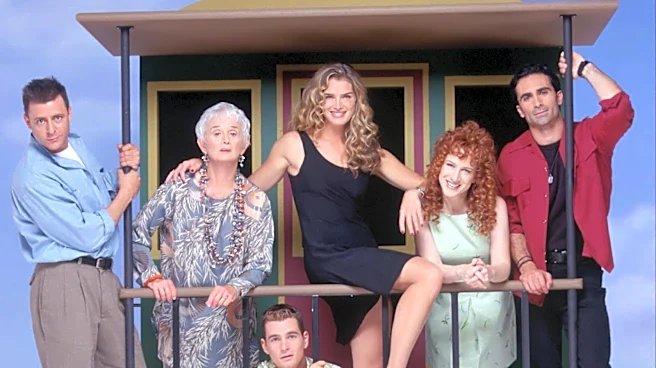
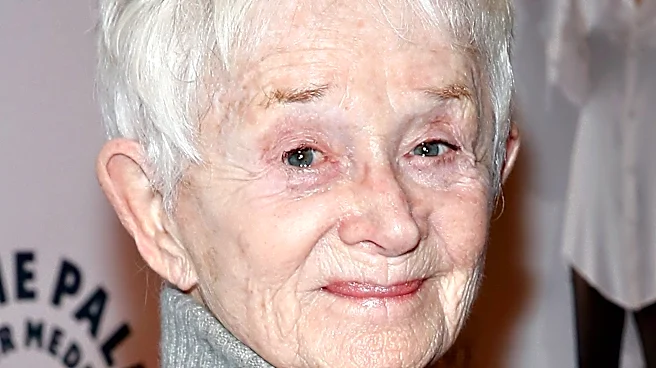
Oscar-nominated actress Barbara Barrie passed away at the age of 95 in her Manhattan home. Her daughter, Jane Harnick, confirmed that Barrie's death was medically assisted, following a diagnosis of terminal cancer. Barrie was a celebrated figure in film,
television, and theater, known for her diverse roles. She received an Oscar nomination for Best Supporting Actress in 1979 for her role as Evelyn Stohler in 'Breaking Away' and won the Cannes Film Festival award for Best Actress in 1964 for 'One Potato, Two Potato.' Her career also included a Tony Award nomination for 'Company' and an Emmy nomination for the television series based on 'Breaking Away.' Beyond acting, Barrie was an author, publishing children's books and two non-fiction works about her battle with cancer. In addition to terminal cancer, she had been diagnosed with idiopathic pulmonary fibrosis in 2014, a degenerative lung disease.
Why It's Important?
The passing of Barbara Barrie marks the end of an era for a significant figure in American entertainment. Her career spanned decades, showcasing her versatility across various mediums and leaving a lasting impact on audiences and the industry. Her work in 'One Potato, Two Potato' was groundbreaking for its portrayal of an interracial relationship, reflecting societal shifts and contributing to important cultural conversations. Her Oscar and Tony nominations underscore her talent and critical acclaim, solidifying her place among respected performers. Furthermore, her decision to pursue medical assistance in dying, following a terminal cancer diagnosis, highlights the growing discussion and legal frameworks surrounding end-of-life choices in the United States, bringing a personal dimension to a broader societal and ethical debate.
What's Next?
While Barbara Barrie's immediate next steps are her memorial and the remembrance of her legacy, her passing may contribute to ongoing discussions about medical assistance in dying. As more public figures choose this path, it often brings increased visibility and public discourse to the topic, potentially influencing policy debates and public opinion on end-of-life care and individual autonomy. Her extensive body of work in film, television, and theater will continue to be celebrated and revisited, ensuring her artistic contributions endure. Her non-fiction books about battling cancer may also gain renewed attention, offering insights and comfort to others facing similar health challenges.
Beyond the Headlines
Barbara Barrie's life and career offer a rich tapestry of artistic achievement and personal resilience. Her willingness to share her experiences with cancer through her writings provided a candid look into the human struggle with illness, fostering empathy and understanding. Her roles, particularly in films that tackled social issues like interracial relationships, demonstrate the power of art to reflect and shape societal norms. The context of her medically assisted death also touches upon the evolving legal and ethical landscape of end-of-life decisions in the U.S., prompting deeper reflection on individual rights, the role of medicine, and the definition of a dignified end. Her story, therefore, extends beyond mere celebrity news, touching upon significant cultural, ethical, and personal dimensions.