








What's Happening?
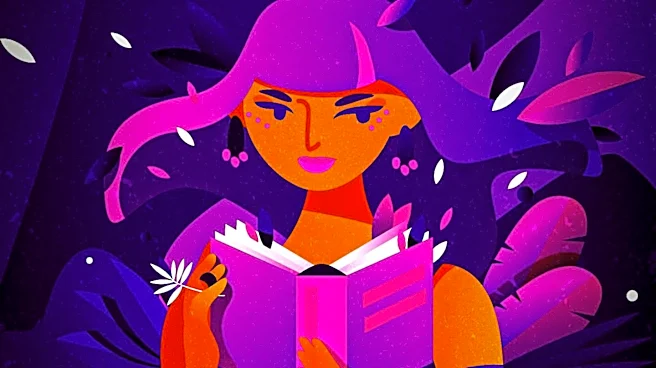
BookTok, a community on TikTok, is significantly impacting reading culture by driving renewed interest in classic literature and influencing publishing trends. This platform features readers sharing book recommendations, reviews, and reading challenges
through videos that often include emotional reactions and aesthetically pleasing bookshelves. The community's genuine and personal approach to sharing recommendations fosters trust among users, making the suggestions feel more like those from a friend than an advertisement. TikTok's algorithms connect viewers with similar interests, leading to discussions and shared opinions about books. This phenomenon has transformed reading habits, turning classic novels into bestsellers decades after their initial publication. Publishers have responded to this surge in interest by creating special new editions of these classics, often featuring clothbound hardcovers, sprayed edges, and illustrations, catering to the aesthetic preferences prevalent on BookTok. Titles like Emily Brontë's 'Wuthering Heights,' Jane Austen's 'Pride and Prejudice,' Louisa May Alcott's 'Little Women,' and Mary Shelley's 'Frankenstein' are experiencing a resurgence in popularity, moving from required school reading to embraced entertainment and catalysts for online discussion.
Why It's Important?
The rise of BookTok is important because it demonstrates the significant influence of social media on cultural consumption and commercial markets, particularly within the U.S. publishing industry. This platform has not only revitalized interest in classic literature, which traditionally might have been seen as niche or academic, but has also created new commercial opportunities for publishers through special editions and increased sales. The community's ability to turn decades-old books into bestsellers highlights a shift in how literary trends are formed and disseminated, moving from traditional critical reviews to peer-to-peer recommendations on social media. This trend benefits authors and publishers by expanding their audience and extending the commercial life of their works. Moreover, it fosters a more engaged reading culture, particularly among younger generations, by making reading a shared and interactive experience rather than a solitary one. The emphasis on genuine reactions and discussions also builds a sense of community around literature, potentially increasing overall literacy and engagement with complex narratives.
What's Next?
The continued growth of BookTok suggests that social media will remain a powerful force in shaping reading habits and publishing strategies. Publishers are likely to further integrate BookTok trends into their marketing and production decisions, potentially leading to more aesthetically driven book designs and targeted promotions based on viral content. The platform's influence may also encourage more film and television adaptations of BookTok-popular titles, as seen with 'Little Women' and upcoming adaptations of Jane Austen novels, further bridging the gap between literary and visual media. As the community evolves, there may be an increased focus on diverse voices and genres, expanding the range of books that gain viral traction. Additionally, the success of BookTok could inspire other social media platforms to develop similar communities, intensifying the competition for reader attention and potentially leading to new forms of literary engagement.
Beyond the Headlines
Beyond its immediate impact on sales and trends, BookTok highlights deeper cultural shifts in how younger generations engage with and value literature. The platform's success in making classic novels 'go viral' suggests that timeless themes of identity, relationships, ambition, and finding one's place in society continue to resonate deeply with modern readers. This challenges the notion that contemporary audiences are solely interested in new releases, demonstrating a desire for narratives that offer reflection and critical thinking. The emphasis on aesthetic presentation and shared annotations also transforms reading from a private activity into a public, communal experience, fostering a sense of belonging and shared intellectual pursuit. This digital transformation of reading could have long-term implications for educational approaches to literature, encouraging more interactive and community-based learning models. It also underscores the power of authentic, peer-driven content over traditional advertising in shaping consumer preferences and cultural discourse.