





What's Happening?
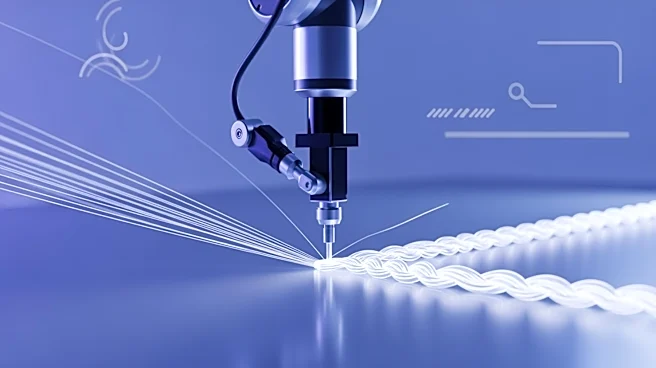
HaloBraid, a startup focused on transforming the beauty industry, has unveiled a new robotic device designed to automate the hair braiding process. This innovation aims to significantly reduce the time required for complex hairstyling, which can traditionally
take up to 12 hours. The device, which has already attracted $7 million in funding, was developed by Yinka Ogunbiyi, an engineer with a Master's degree and an MBA from Harvard University. The idea was born out of Ogunbiyi's personal experience during the pandemic, where she spent four days braiding her own hair. The HaloBraid device assists professional stylists by taking over the braiding process after it has been initiated manually. The technology is currently in the patenting phase and is designed to handle intricate styles like 'knotless' and 'box braids' without damaging the hair. The project has garnered support from the Seven Seven Six venture fund, led by Reddit co-founder Alexis Ohanian, who has a personal interest in the field due to his family's use of complex hairstyles.
Why It's Important?
The introduction of the HaloBraid device is poised to have a significant impact on the hairstyling industry by addressing the time-consuming nature of hair braiding. This technology not only promises to enhance efficiency for stylists but also aims to alleviate the physical strain associated with long hours of manual labor, which can lead to occupational health issues like arthritis. By reducing the time required for braiding, salons can potentially increase their client turnover, thereby boosting revenue. The device also meets a substantial market demand, as research indicates that people globally spend approximately 8 billion hours annually on hair braiding. With 95% of surveyed individuals expressing a willingness to braid their hair more frequently if the process were quicker, HaloBraid could significantly alter consumer behavior and salon operations.
What's Next?
The first prototypes of the HaloBraid device are expected to be introduced in professional beauty salons by the end of the year. This rollout will likely be closely monitored by industry stakeholders, including salon owners and stylists, to assess the device's impact on service delivery and client satisfaction. As the technology becomes more widely adopted, it may prompt further innovations in the beauty industry, encouraging other companies to explore automation in hairstyling. Additionally, the success of HaloBraid could lead to increased investment in similar technologies, further modernizing traditional service sectors.