








What's Happening?
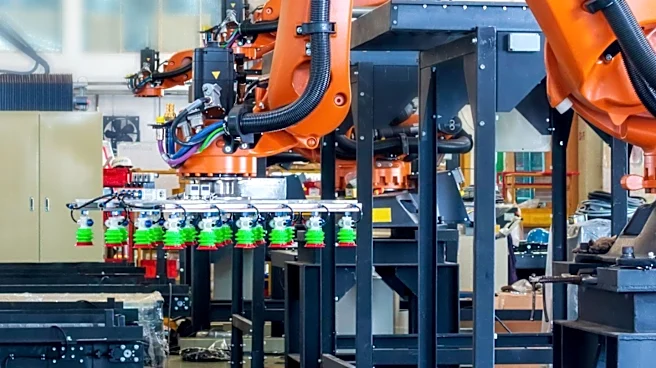
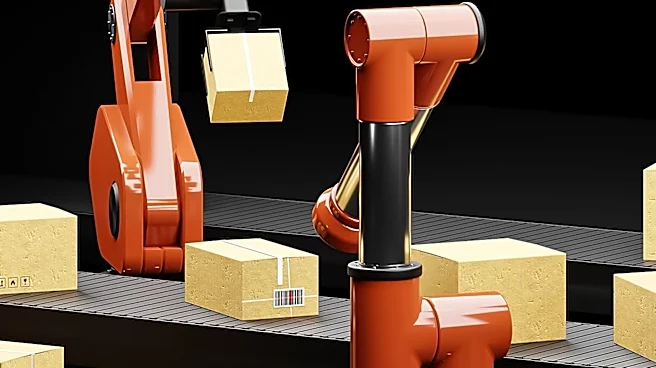
The integration of compact collaborative robots (cobots) with autonomous mobile robots (AMRs) is revolutionizing warehouse operations. This development addresses the growing need for automation in tasks such as pick-and-place, palletizing, and machine-tending,
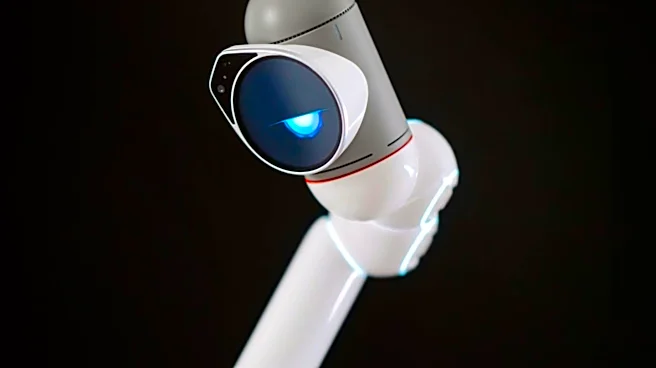
driven by productivity demands and labor shortages. Cobots, particularly seven-axis models, are increasingly popular due to their ability to be mounted on AMRs, offering enhanced flexibility and precision. These robots streamline workflows by reducing manual touchpoints and improving task accuracy. The integration allows for more efficient material handling, as cobots can perform tasks like loading and offloading materials and driving carts across facilities. This advancement reduces the need for multiple robot stations, optimizing space and resources.
Why It's Important?
The integration of cobots with AMRs is significant for the U.S. warehousing and logistics sectors, which face ongoing labor shortages and a need for increased efficiency. By automating repetitive tasks, these technologies free up human workers for more complex roles, potentially improving job satisfaction and reducing turnover. The cost-effectiveness of cobot-AMR systems makes them an attractive solution for businesses looking to enhance productivity without extensive infrastructure changes. As the demand for automation grows, this integration could lead to widespread adoption, transforming how warehouses operate and compete. The shift towards automation also highlights the importance of balancing technology with human labor, ensuring that workers are supported and not displaced.
What's Next?
As the adoption of cobot-AMR systems increases, companies will likely continue to explore further automation opportunities. Decision-makers in the industry may evaluate the benefits of integrating seven-axis cobots into their operations, considering factors such as cost, return on investment, and impact on workforce dynamics. The ongoing development of these technologies could lead to more advanced and versatile robotic solutions, further enhancing efficiency and productivity in warehouses. Additionally, as these systems become more prevalent, there may be a need for updated safety protocols and training programs to ensure safe and effective human-robot collaboration.