


What's Happening?
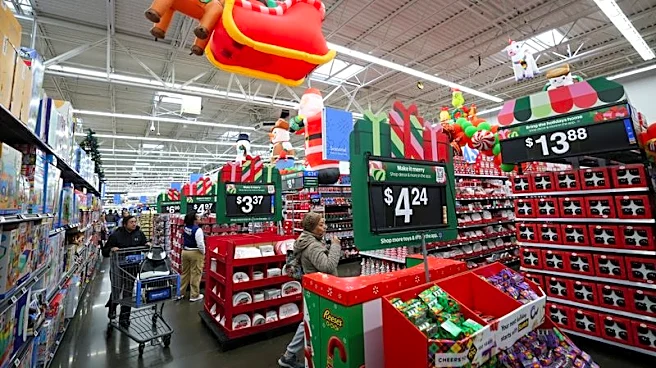
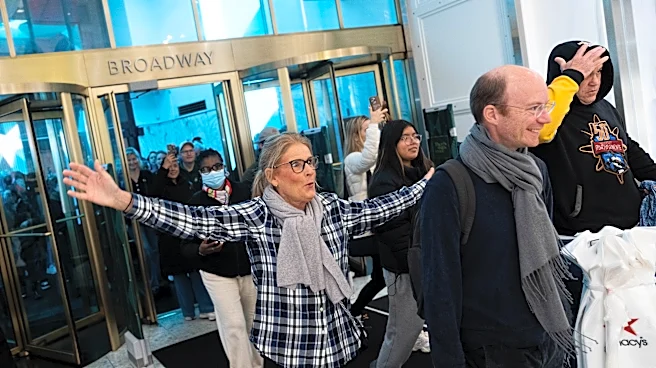
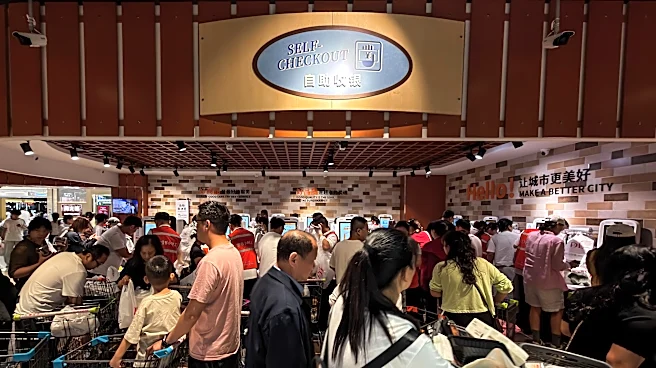
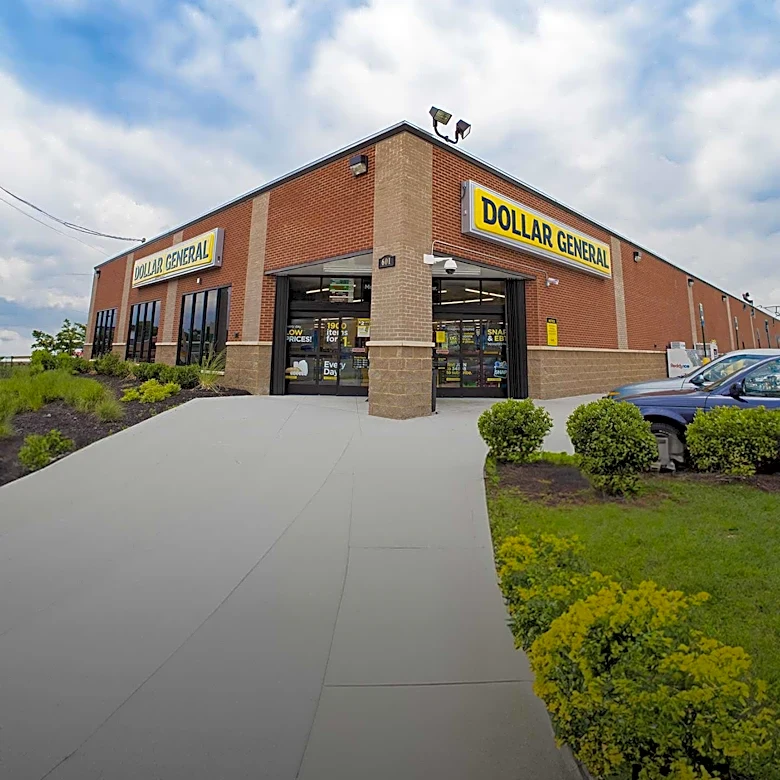
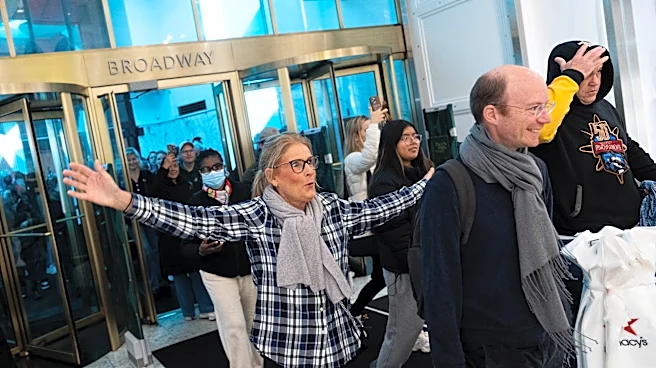
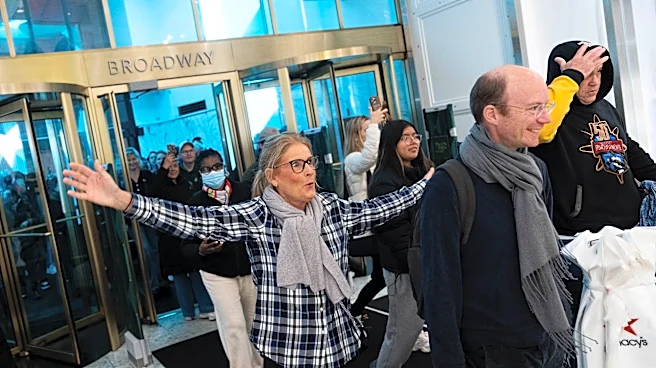
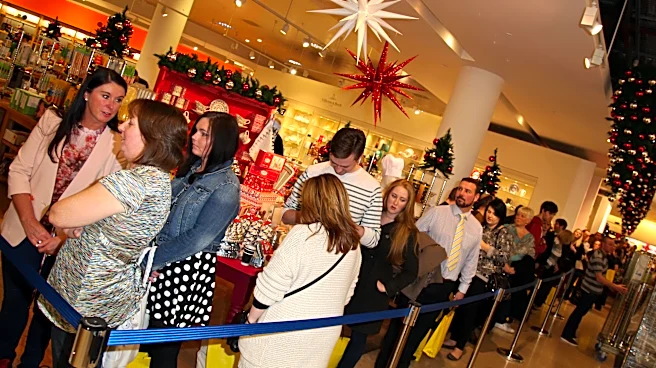
Black Friday 2026 saw a significant return of shoppers to brick-and-mortar stores across the U.S., marking a resurgence of the traditional in-person bargain-hunting experience. Malls nationwide, including The Citadel Outlets in Los Angeles and Dolphin
Mall in Miami, reported bustling crowds and long lines, reminiscent of pre-2019 Black Fridays. According to a survey by the ICSC, a commerce industry organization, more shoppers were expected to visit physical stores over the holiday weekend than at any point since 2019. This trend indicates a shift back from the predominantly online sales of recent years, with many shoppers expressing a desire to 'touch and feel' products and enjoy the festive atmosphere of in-person shopping.
Why It's Important?
The return of shoppers to physical stores for Black Friday is a crucial indicator for the U.S. retail sector, suggesting a potential revitalization of brick-and-mortar establishments that faced challenges during the pandemic and the rise of e-commerce. This trend could lead to increased foot traffic and sales for physical retailers, potentially boosting local economies and employment in the retail sector. It also highlights the enduring appeal of the in-person shopping experience, including the social aspect and immediate gratification, which online shopping cannot fully replicate. For consumers, it means a renewed opportunity to engage in a cherished holiday tradition, fostering a sense of community and excitement around the shopping season.
What's Next?
The observed increase in brick-and-mortar Black Friday shopping could influence future retail strategies, potentially leading to more investment in physical store experiences and less reliance solely on online promotions. Retailers might re-evaluate the balance between in-store and online deals, possibly reintroducing more 'doorbuster' type events to draw crowds. This trend also suggests that the holiday shopping season may continue to evolve into a hybrid model, where both online convenience and in-person experiences play significant roles. The ICSC survey also indicated that a large percentage of shoppers planned to dine out and engage in entertainment, suggesting a broader economic benefit beyond just retail sales.
Beyond the Headlines
The resurgence of in-person Black Friday shopping goes beyond mere economic figures; it reflects a cultural yearning for tradition and communal experiences. After years of increased isolation and digital interaction, consumers are actively seeking opportunities for shared public activities. This shift could have broader societal implications, fostering a sense of normalcy and community engagement. It also presents a challenge for urban planners and mall developers to create spaces that are not just transactional but also experiential, offering entertainment and dining options to complement shopping. The desire to 'touch and feel' products also speaks to the limitations of purely digital commerce, emphasizing the sensory aspects of shopping that remain valuable to consumers.