




What's Happening?
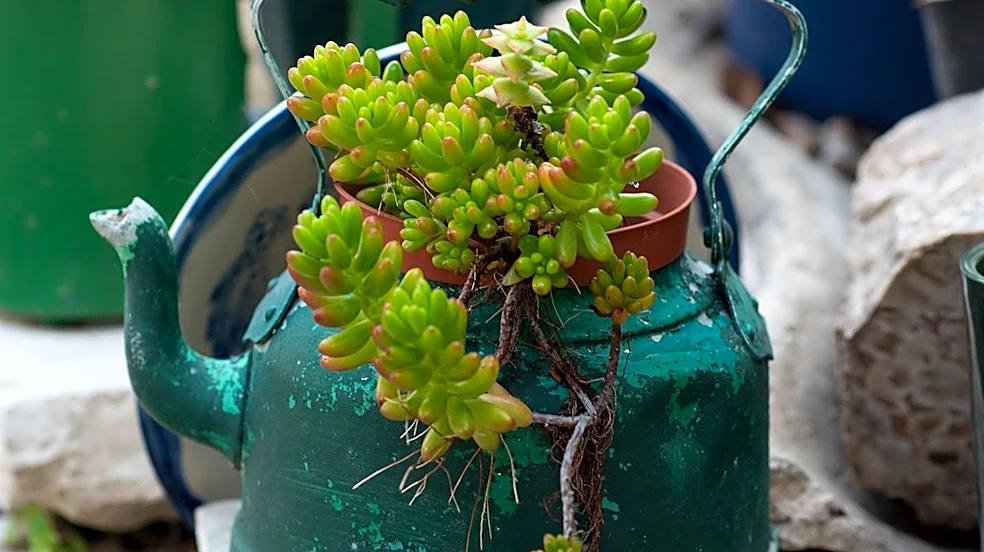
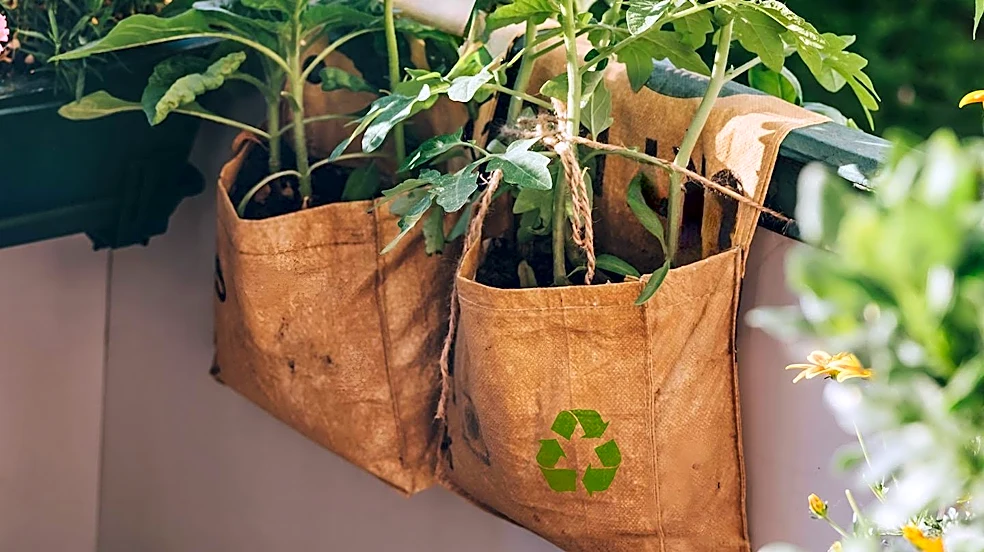
Container gardening provides a flexible method for cultivating vegetables, herbs, and flowers in various settings such as pots, patios, balconies, and other confined areas. This approach grants gardeners significant control over growing conditions, allowing
them to bypass issues like poor native soils, soil-borne nematodes, and to optimize sun exposure by repositioning pots. Key considerations for successful container gardening include selecting appropriate containers with drainage holes, using sterile soilless potting mix instead of garden soil, and ensuring consistent watering and feeding. For instance, mint, known for its invasive spreading, thrives when contained in pots, preventing it from overtaking garden beds. The limited soil volume in containers necessitates regular nutrient replenishment, typically every 10-14 days with organic liquid fertilizers during active growth periods. Daily moisture checks are crucial, especially during hot weather, to prevent the potting mix from drying out.
Why It's Important?
The rise of container gardening is particularly significant in urbanized areas across the U.S., where traditional garden plots are often unavailable. This method democratizes gardening, making fresh produce and ornamental plants accessible to apartment dwellers, townhouse residents, and those with limited outdoor space. It empowers individuals to grow their own food, contributing to food security and promoting healthier eating habits, even in dense metropolitan environments. Furthermore, container gardening offers therapeutic benefits, enhancing mental well-being and providing a connection to nature for individuals who might otherwise lack such opportunities. The ability to control soil quality and move plants also allows gardeners to adapt to changing environmental conditions, such as unexpected cold snaps or intense heat waves, thereby increasing the resilience of their crops and reducing potential losses.
What's Next?
As interest in sustainable living and urban farming continues to grow, innovations in container gardening are likely to expand. This could include the development of more efficient self-watering systems, specialized potting mixes tailored for various plant types, and modular container designs that maximize space utilization. Educational initiatives, such as workshops and online guides, will continue to play a vital role in equipping new gardeners with the necessary skills and knowledge. The trend towards integrating greenery into urban landscapes suggests a future where container gardens become a more prominent feature of city planning, potentially leading to community-based container gardening projects and increased local food production. Additionally, advancements in plant breeding may introduce more compact and container-friendly varieties of popular vegetables and flowers, further enhancing the accessibility and success of this gardening method.
Beyond the Headlines
Beyond its practical benefits, container gardening fosters a deeper appreciation for ecological processes and resource management. It encourages a mindful approach to consumption, as individuals witness firsthand the effort and resources required to grow food. This can lead to a greater understanding of food systems and a reduction in food waste. Culturally, container gardening can serve as a bridge between generations, with experienced gardeners sharing their knowledge with newcomers, fostering community bonds and preserving traditional gardening practices. Environmentally, by enabling localized food production, it can reduce the carbon footprint associated with transporting produce over long distances. The aesthetic enhancement of urban spaces through container gardens also contributes to a more pleasant and livable environment, potentially influencing property values and community pride.