







What's Happening?
European Leagues has extended its legal complaint against FIFA, accusing the global football governing body of threatening the health and wellbeing of players in women's soccer. The complaint, filed with the European Commission, highlights FIFA's dual
role as both a governing body and a competition organizer, which European Leagues argues creates a conflict of interest. According to the complaint, FIFA prioritizes its own commercial interests, which negatively impacts the growth and financial sustainability of women's professional leagues. This action follows the controversy surrounding FIFA's aborted FIFA Forward Enterprise (FFE) initiative, a plan to sell stakes in its competitions to private investors, which was scrapped after widespread backlash. The European Leagues' statement asserts that FIFA's conduct, coupled with a lack of engagement with women's professional leagues, infringes upon European Union competition law. This expanded complaint builds on a previous one made by the association and FIFPRO (the players' union) in 2024, which criticized the increasingly dense schedule in both men's and women's soccer, deeming it unsustainable and a risk to player health.
Why It's Important?
This complaint is significant because it challenges FIFA's governance structure and its impact on the burgeoning women's soccer industry. By alleging a conflict of interest and a disregard for player welfare, European Leagues is pushing for greater accountability and transparency from FIFA. The accusation that FIFA's actions threaten the growth and financial sustainability of women's professional leagues underscores a critical issue for the sport's development. If the European Commission finds in favor of European Leagues, it could lead to significant changes in how FIFA operates, potentially forcing a restructuring of its regulatory and commercial arms. This could empower national leagues and player unions, giving them a stronger voice in decisions affecting the sport. For U.S. soccer, particularly the National Women's Soccer League (NWSL) and the U.S. Women's National Team, such a precedent could influence future negotiations and regulatory frameworks, potentially leading to better player protections and more equitable financial models globally. The outcome could also set a new standard for how international sports federations balance their commercial ambitions with their responsibilities to athletes and member organizations.
What's Next?
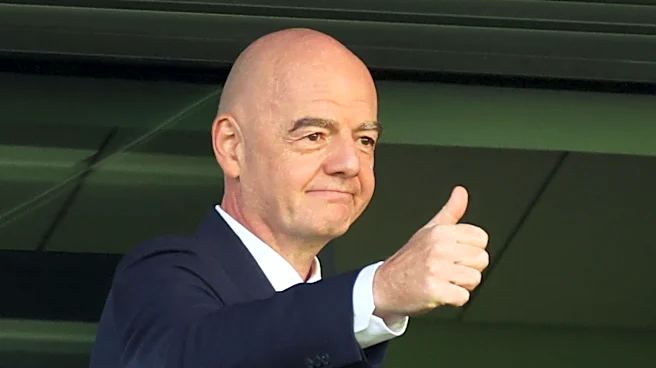
The European Commission is expected to investigate the extended complaint filed by European Leagues. This investigation will scrutinize FIFA's practices regarding the women's international match calendar and its regulatory decisions. European Leagues has expressed its readiness to collaborate with the European Commission and other relevant stakeholders to ensure that EU law is upheld and that the future of women's professional football is not solely dictated by FIFA. The outcome of this investigation could lead to legal proceedings or regulatory changes, potentially compelling FIFA to modify its operational structure and decision-making processes. Major stakeholders, including national football associations, player unions, and women's professional leagues, will be closely monitoring the developments. Depending on the Commission's findings, FIFA might face pressure to engage in more meaningful dialogue with these groups and to implement reforms that address the alleged conflicts of interest and prioritize player health and the sustainable growth of women's soccer. The situation could also influence the upcoming FIFA leadership election, as President Gianni Infantino has already faced criticism and calls to step down.
Beyond the Headlines
The expanded complaint against FIFA delves into deeper ethical and structural issues within international sports governance. The core accusation of a conflict of interest, where FIFA acts as both regulator and commercial entity, raises fundamental questions about fairness and impartiality. This situation highlights the tension between the commercialization of sports and the welfare of athletes, particularly in a rapidly growing sector like women's soccer. The aborted FIFA Forward Enterprise initiative serves as a stark example of how profit-driven motives can overshadow broader developmental goals and stakeholder concerns. This legal challenge could trigger a re-evaluation of governance models across various international sports organizations, pushing for greater separation between regulatory and commercial functions. It also underscores the increasing assertiveness of regional bodies and player associations in advocating for their interests and challenging established power structures. The long-term implications could include a more decentralized and collaborative approach to global football governance, potentially leading to more equitable distribution of resources and decision-making power, ultimately fostering a healthier and more sustainable ecosystem for women's professional sports worldwide.