






What's Happening?
To foster optimal gut health, experts recommend a multifaceted approach focusing on diet, physical activity, and lifestyle habits. A varied diet rich in plant foods, fiber, and fermented foods is crucial for supporting a diverse gut microbiome. Specific
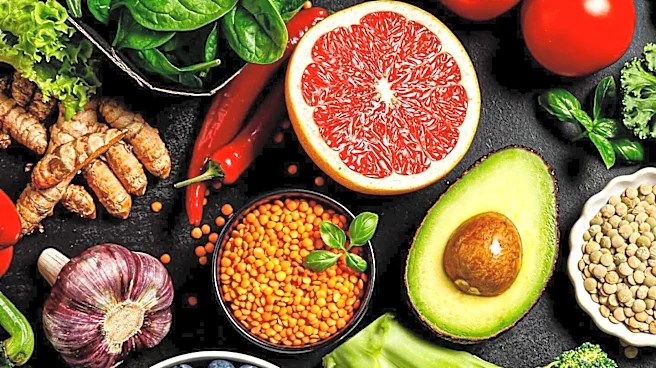
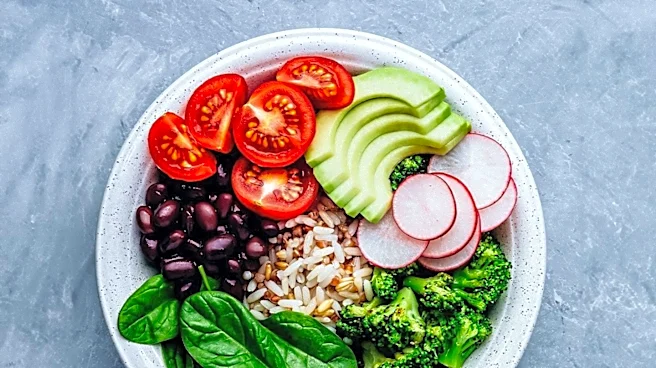
recommendations include incorporating seasonal produce like spring greens, summer berries, fall squash, and winter oats to ensure a wide range of nutrients. Fiber, found in foods such as oats, beans, lentils, apples, and nuts, is essential for digestive regularity and feeding beneficial gut bacteria. Fermented foods like yogurt, kefir, kimchi, and sauerkraut introduce beneficial microbes, though it's important to check labels for 'live and active cultures.' Beyond diet, regular physical activity, adequate hydration, and prioritizing sleep hygiene are emphasized. Limiting smoking and alcohol intake is also advised, as both can disrupt gut flora and damage the intestinal lining. The gut microbiome, a community of trillions of microorganisms, plays a vital role in digestion, immunity, and mental well-being, making these lifestyle choices critical for overall health.
Why It's Important?
The emphasis on gut health reflects a growing understanding of its profound impact on overall well-being, extending beyond digestion to immunity, metabolism, and mental health. A balanced gut microbiome is linked to a strong immune system, efficient nutrient absorption, improved mood, and reduced inflammation. Conversely, an imbalanced gut can lead to issues like bloating, fatigue, weakened immunity, skin problems, and mood disorders. For individuals, adopting these practices can lead to tangible improvements in daily quality of life, such as better digestion, increased energy, and enhanced mental clarity. From a public health perspective, promoting these lifestyle changes could contribute to a reduction in chronic diseases linked to poor gut health, including type 2 diabetes and obesity. The focus on whole, unprocessed foods also supports sustainable eating patterns and can reduce reliance on supplements, encouraging a more holistic approach to health.
What's Next?
Individuals are encouraged to gradually integrate these recommendations into their daily routines rather than making drastic changes. Starting with small, manageable adjustments, such as adding berries to oatmeal or incorporating a short walk after dinner, can lead to sustainable long-term benefits. Consumers should be mindful of food labels, particularly for fermented products, to ensure they contain 'live and active cultures.' Healthcare professionals may increasingly incorporate gut health strategies into patient care plans, especially for those with digestive issues or chronic conditions. Further research is expected to continue exploring the intricate connections between the gut microbiome and various body systems, potentially leading to more personalized dietary and lifestyle recommendations in the future. The ongoing shift towards wellness and preventative health suggests a continued focus on gut health in dietary guidelines and public health campaigns.
Beyond the Headlines
The growing focus on gut health highlights a broader shift in health paradigms, moving from a symptom-centric approach to one that emphasizes foundational well-being. This perspective underscores the interconnectedness of bodily systems, particularly the gut-brain axis, which links digestive health to mental and emotional states. The recommendation for seasonal eating not only promotes dietary diversity but also encourages a more mindful and sustainable relationship with food, potentially reducing the environmental impact of food consumption. The caution against 'chasing one superfood' or 'changing everything at once' reflects a more nuanced understanding of nutrition, moving away from fads towards consistent, balanced habits. This holistic view of health empowers individuals to take proactive steps in managing their well-being through everyday choices, fostering a greater sense of agency and long-term health resilience.