






What's Happening?
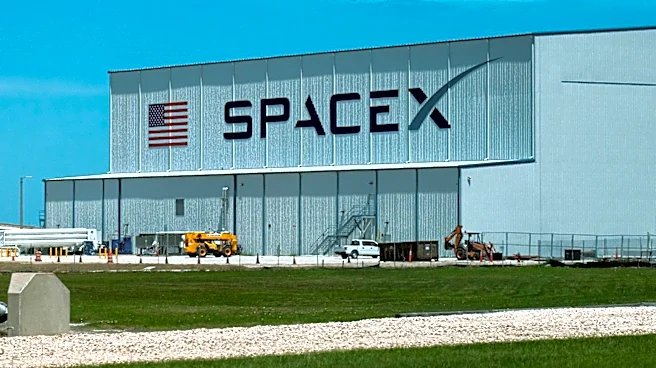
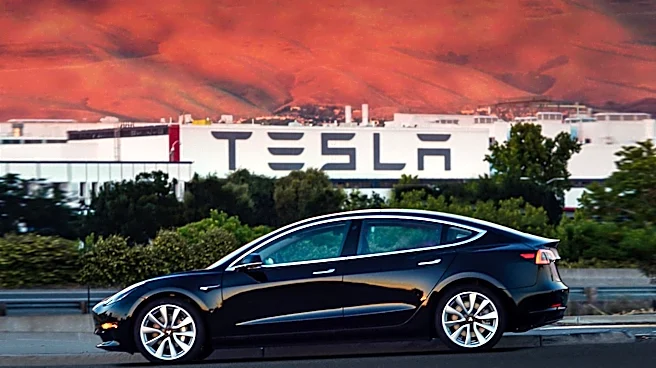
SpaceX has announced that its Terafab chip megafactory in Texas will be powered by natural gas plants and large battery arrays, rather than Tesla solar panels. Despite Tesla's involvement in the project and its expertise in solar energy, the decision
to use gas power is driven by the need for firm power and cost considerations. The plant, located on the site of a former coal-fired power plant, is part of a broader pattern of using gas power for large-scale projects.
Why It's Important?
The decision to power the Terafab plant with gas rather than solar highlights the challenges of relying solely on renewable energy for large-scale industrial operations. It underscores the tension between the vision of a solar-powered future and the practical realities of energy needs and costs. This move may influence other companies' energy strategies and impact the perception of renewable energy's viability for industrial applications.
What's Next?
As the Terafab plant becomes operational, there may be scrutiny over its environmental impact and the decision to prioritize gas over solar. This could lead to discussions about the role of renewable energy in industrial projects and the need for policies that support sustainable energy solutions.
Beyond the Headlines
The reliance on gas power for the Terafab plant raises questions about the commitment to renewable energy and the influence of economic incentives on energy decisions. It highlights the need for a balanced approach that considers both environmental goals and practical energy needs.