





What's Happening?
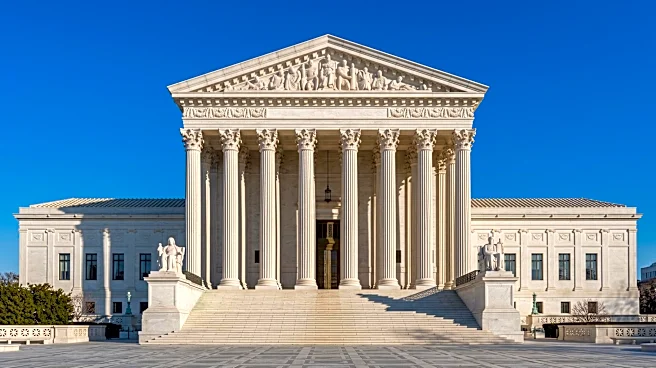
Sullivan & Cromwell has significantly bolstered its Supreme Court & Appellate Practice in Washington, D.C., by adding Michael R. Huston, Jonathan Y. Ellis, and Nicholas S. Crown as partners. Huston and Ellis will co-head the practice. All three new partners previously
served as Assistants to the Solicitor General of the United States and collectively have argued over 20 cases before the U.S. Supreme Court. Michael Huston has argued 12 Supreme Court cases, focusing on administrative law, intellectual property, and constitutional law. Jonathan Ellis has argued nine Supreme Court cases, with expertise in securities law, intellectual property, and international arbitration. Nicholas Crown has argued appeals before various federal courts, addressing issues such as AI-generated copyright and trademark remedies. Crown previously clerked for Justice Sonia Sotomayor. These additions are expected to substantially expand the firm's capabilities in appellate, constitutional, and administrative law.
Why It's Important?
This strategic expansion by Sullivan & Cromwell signals a growing demand for top-tier appellate and constitutional law expertise, particularly in Washington, D.C. The addition of lawyers with extensive Supreme Court experience, including those who have served as Assistants to the Solicitor General, provides the firm with unparalleled insight into the federal appellate process and the workings of the Supreme Court. This move enhances the firm's ability to represent clients in complex, high-stakes litigation that often shapes national legal precedents. For businesses and individuals facing significant legal challenges, having access to attorneys who have argued before the nation's highest court can be a critical advantage. The firm's strengthened capabilities in areas like AI-generated copyright and administrative law also reflect the evolving legal landscape and the increasing need for specialized knowledge in emerging fields. This move positions Sullivan & Cromwell as a formidable player in the appellate legal market, potentially influencing outcomes in landmark cases.
What's Next?
The integration of these three highly experienced appellate lawyers into Sullivan & Cromwell's practice will likely lead to an immediate increase in the firm's capacity to handle complex Supreme Court and appellate matters. Clients seeking representation in constitutional law, administrative law, intellectual property, and other specialized areas will find an enhanced team. The firm's presence in Washington, D.C., is expected to grow, further solidifying its influence in the nation's capital. This expansion may also trigger similar moves by other top law firms looking to compete for high-profile appellate work. The new partners' collective experience will undoubtedly contribute to the firm's thought leadership in appellate advocacy, potentially through publications, speaking engagements, and amicus briefs that shape legal discourse. Their expertise in emerging areas like AI-generated copyright suggests the firm will be at the forefront of legal developments in technology and intellectual property.
Beyond the Headlines
The recruitment of former Assistants to the Solicitor General by private firms highlights a broader trend of top government legal talent transitioning to the private sector. This movement brings invaluable institutional knowledge and strategic insights from the highest levels of government litigation into corporate legal practice. While beneficial for firms and their clients, it also raises questions about the 'revolving door' between public service and private practice, and the potential for former government officials to leverage their unique experience. The focus on appellate law, particularly Supreme Court practice, underscores the increasing importance of shaping legal precedents at the highest level, which can have far-reaching implications for industries and public policy. The firm's investment in this area reflects a recognition that legal battles are increasingly being won or lost in the appellate courts, making specialized expertise in this domain a premium asset. This trend also signifies the growing complexity of legal issues, requiring a deep understanding of constitutional principles and administrative procedures.