

What's Happening?
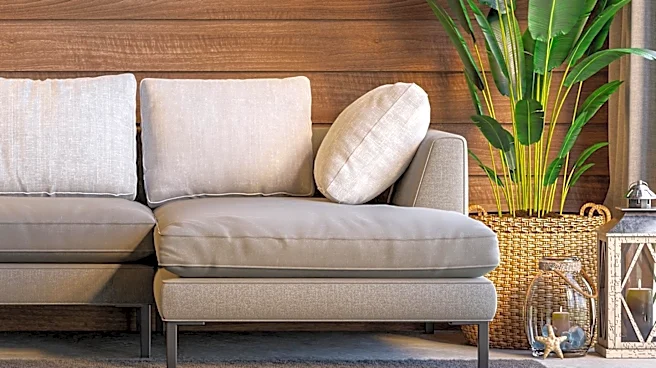
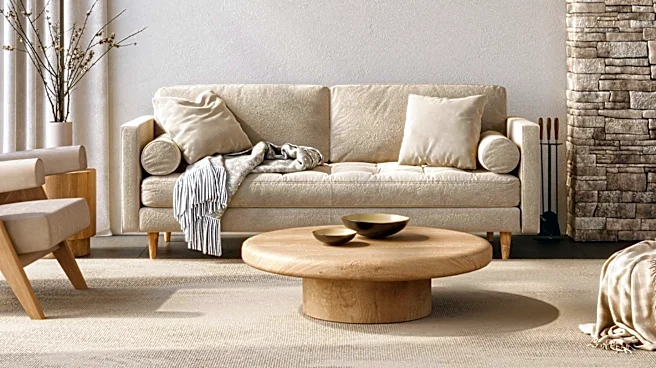
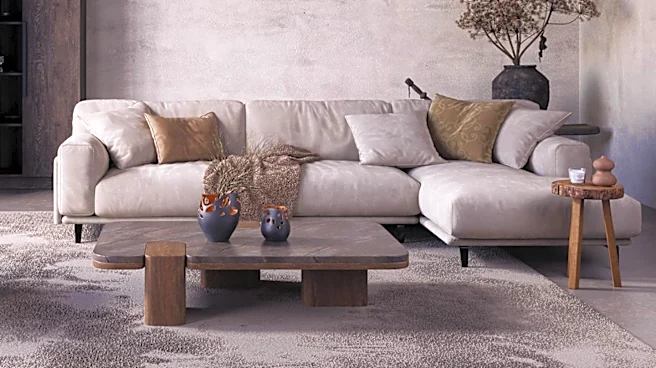
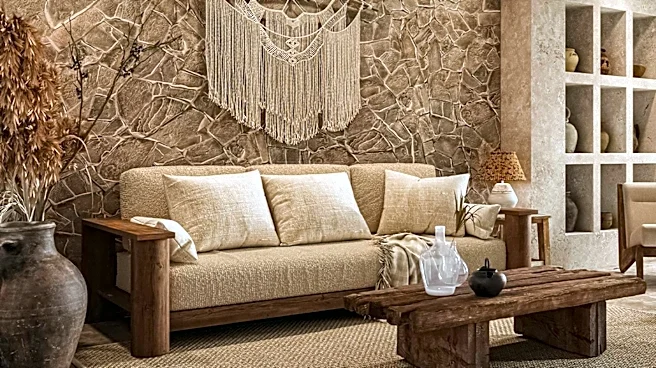
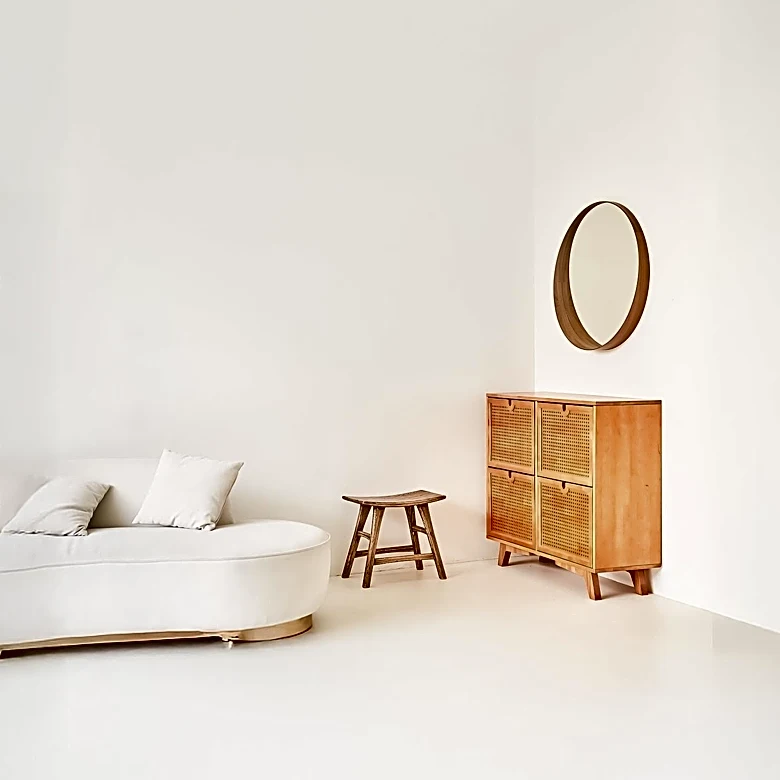
The rustic aesthetic in home decor is gaining prominence, characterized by its emphasis on simplicity, comfort, and designs inspired by natural elements and artisan craftsmanship. This style prioritizes natural materials such as wood, stone, and wrought
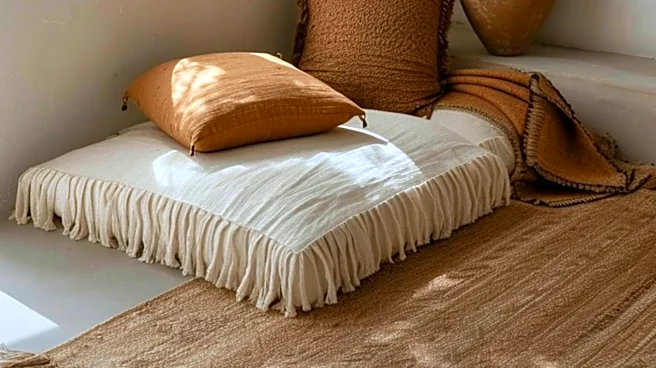
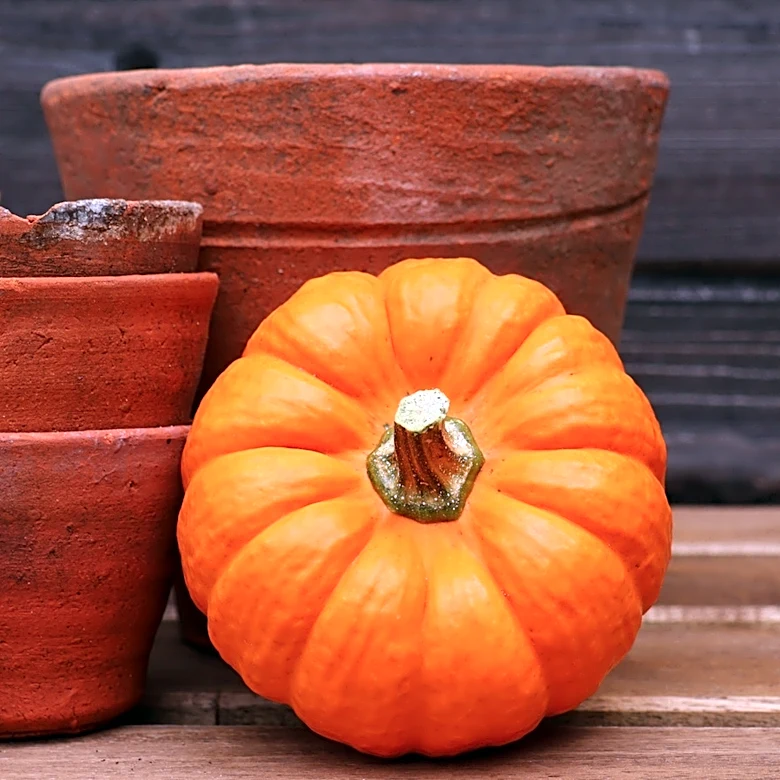
iron, often showcasing visible joints and intentionally imperfect textures to create a handcrafted feel. Muted color palettes, including warm creams, beiges, sages, and dusty blues, are common, often complemented by wood tones. Rustic kitchens, for instance, frequently feature foraging elements, open shelves, vintage-style tables, and handmade items like ceramic trinkets and handwoven baskets. The aesthetic values imperfections and the beauty of aging, drawing parallels to Scandinavian hygge and rustic minimalism. It is seen as a reaction against overly polished, mass-produced finishes, favoring a lived-in and authentic atmosphere.
Why It's Important?
The growing popularity of the rustic aesthetic reflects a broader cultural shift towards valuing authenticity, sustainability, and a connection to nature in American homes. This trend impacts the interior design and home furnishings industries, driving demand for products made from natural materials and those with a handcrafted appearance. Businesses in these sectors may find opportunities in offering vintage-inspired furniture, artisanal decor, and reclaimed materials. Consumers are increasingly seeking designs that evoke a sense of history and comfort, moving away from sterile, modern aesthetics. This shift can also influence manufacturing processes, encouraging a focus on quality, durability, and the unique character of individual pieces rather than mass production. The emphasis on natural elements and less-is-more approaches aligns with growing environmental consciousness, potentially fostering more sustainable consumption patterns in home decor.
What's Next?
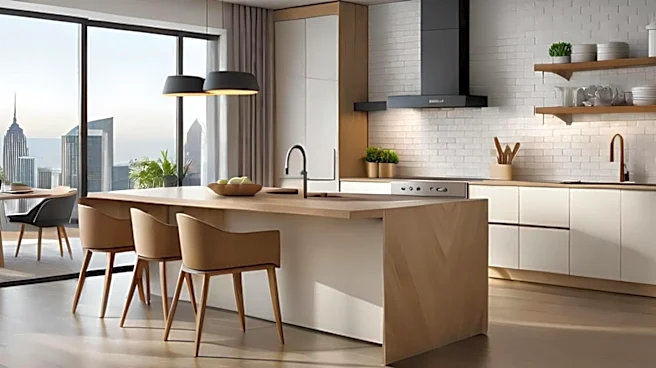
The continued evolution of the rustic aesthetic is likely to see further integration with other design styles, such as 'rustic modern,' which combines rough, hand-crafted materials with refined shapes and clean lines. This hybrid approach allows for broader appeal and adaptability to various living spaces, from rural homes to urban apartments. Manufacturers and retailers will likely expand their offerings to include more versatile pieces that blend traditional rustic elements with contemporary functionality, such as lighting fixtures with geometric cages or integrated LED technology. There may also be an increased focus on sourcing local and ethically produced materials to align with the aesthetic's natural and authentic ethos. Educational content and design services promoting DIY and upcycling will also likely grow, empowering consumers to personalize their spaces with unique, handcrafted touches that embody the rustic spirit.
Beyond the Headlines
The embrace of the rustic aesthetic extends beyond mere interior design; it signifies a deeper cultural yearning for grounding and simplicity in an increasingly fast-paced and digital world. This design philosophy, which celebrates imperfection and the passage of time, offers a counter-narrative to the pervasive pursuit of flawless, new, and disposable goods. It encourages a more mindful approach to consumption, where objects are valued for their story, their wear, and their connection to nature and craftsmanship. This can foster a sense of calm and well-being within the home, transforming living spaces into sanctuaries that reflect personal history and a connection to the natural world. The aesthetic's emphasis on 'slow living' and appreciating the beauty in the aged and imperfect can also influence broader societal values, promoting a greater appreciation for heritage, durability, and the unique character of things over fleeting trends.