






What's Happening?
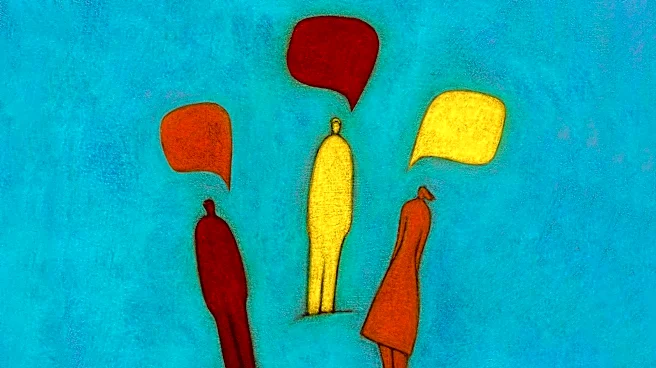
Enneagram Type 9, known as 'The Peacemaker,' is characterized by a fundamental desire for inner and outer peace and a deep-seated fear of conflict, loss, and separation from others. Individuals identified as Type 9 are often described as accepting, steady,
and adept at understanding multiple perspectives in a disagreement. However, this pursuit of harmony can lead them to avoid conflict to the extent that their own priorities and desires become suppressed. They may go along with others' wishes, gradually losing touch with their personal aspirations. The Enneagram system, which outlines nine interconnected personality types, defines each type by a core fear and a core desire, rather than surface traits. For Type 9, the core fear is conflict and disconnection, while the core desire is peace, both internally and externally. This framework, popularized by authors Don Riso and Russ Hudson, serves as a tool for self-reflection and personal growth, helping individuals understand their underlying motivations and behavioral patterns.
Why It's Important?
Understanding Enneagram Type 9 is important for fostering more effective communication and collaboration in various settings, from personal relationships to professional environments. In the workplace, recognizing a 'Peacemaker's' tendency to avoid conflict can help leaders and team members encourage them to voice their opinions and needs, leading to more inclusive decision-making and preventing potential burnout. For individuals, identifying as a Type 9 can provide insight into their own patterns of behavior, such as people-pleasing or procrastination, and offer a path toward healthier self-assertion and personal development. In a broader societal context, understanding the motivations of 'Peacemakers' can contribute to more empathetic approaches in conflict resolution and community building, highlighting the value of harmony while also recognizing the importance of addressing underlying issues directly. This self-awareness tool can lead to improved mental well-being and stronger interpersonal connections by promoting a deeper understanding of oneself and others' core motivations.
What's Next?
Individuals interested in exploring their Enneagram type can take free, confidential tests to identify their likely core type. These tests typically provide a plain-language profile outlining core fears, desires, strengths, and growth paths. Following the test, it is recommended to read detailed descriptions of the suggested type and even neighboring types, as self-reflection is crucial for accurate identification. The Enneagram is not a diagnostic tool but rather a framework for personal growth, encouraging individuals to recognize patterns in themselves and work towards healthier expressions of their type. Further exploration might involve delving into concepts like 'wings' (influences from adjacent types) and 'stress and growth lines' (patterns of behavior under pressure or in security), although these aspects have less empirical research backing. The ongoing use of the Enneagram in personal development workshops and coaching suggests a continued focus on self-awareness and improved interpersonal dynamics.
Beyond the Headlines
The concept of 'The Peacemaker' extends beyond individual personality traits to touch upon broader societal dynamics, particularly in how communities and nations approach conflict and resolution. The inherent desire for peace, while noble, can sometimes lead to the suppression of necessary dialogue or the avoidance of difficult truths, potentially allowing underlying issues to fester. This highlights a critical ethical dimension: when does the pursuit of peace become detrimental by preventing essential confrontation or advocacy for justice? Culturally, societies often value harmony, but the Enneagram's insight into the 'Peacemaker' suggests that true peace requires not just the absence of conflict, but also the active engagement with and resolution of disagreements, even if uncomfortable. The long-term shift triggered by a deeper understanding of this type could be a move towards more authentic and constructive conflict engagement, where individuals and groups are encouraged to voice their needs and address issues directly, rather than passively avoiding them for the sake of superficial tranquility. This could lead to more resilient relationships and more equitable societal structures.