






What's Happening?
Spartanburg, South Carolina, has undergone a significant economic resurgence, transitioning from a struggling industrial town to a diversified economic hub. This transformation was driven by a strategic reset initiated by local leaders in the early 2000s,
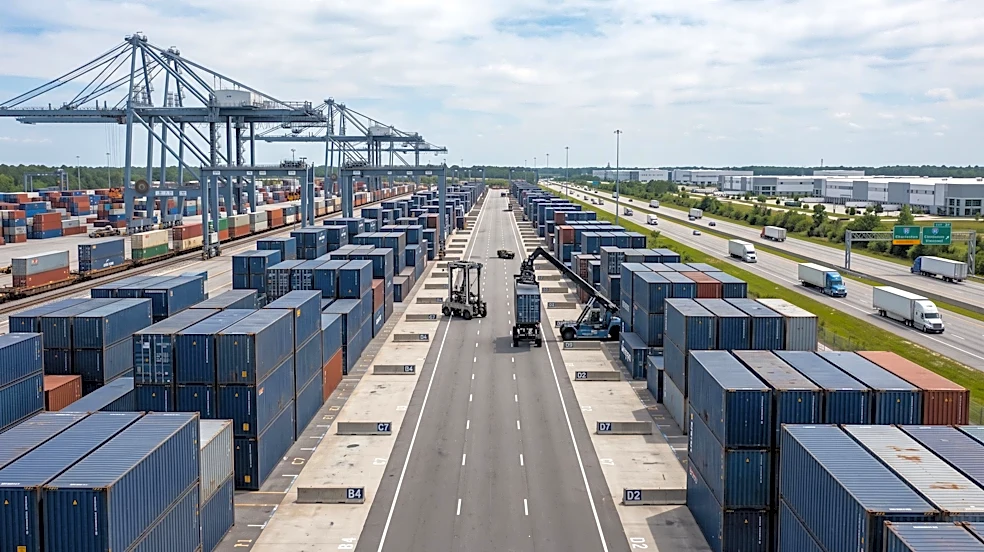
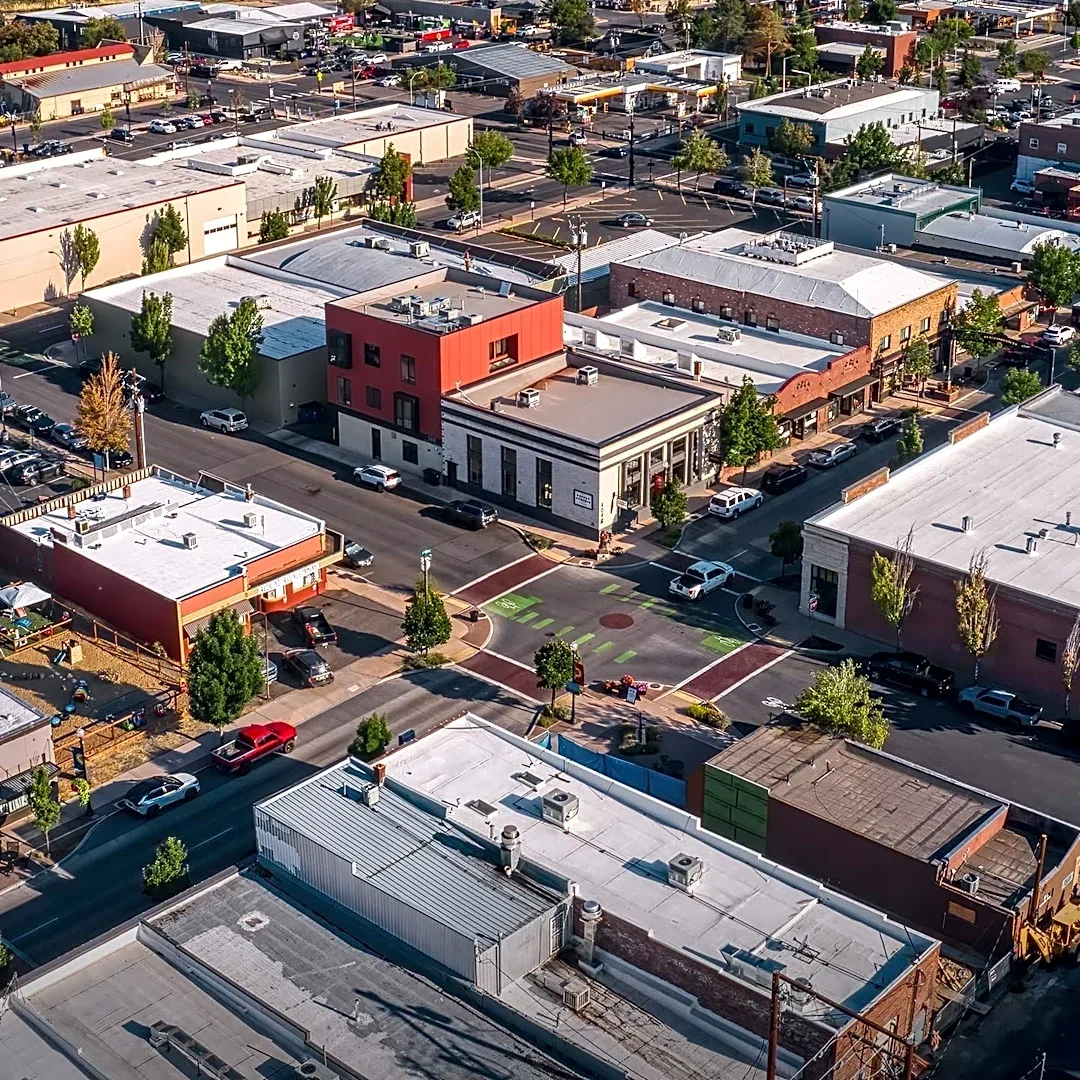
following challenges like mill closures, stagnant wages, and aging infrastructure. The city prioritized logistics, healthcare, and advanced manufacturing, alongside investments in downtown revitalization and workforce development. Key to this pivot was targeted infrastructure upgrades, including expanding port connectivity and highway access, which positioned Spartanburg County as a logistics gateway. An inland port, located near Interstate 85, has become a critical node for regional distribution, attracting companies seeking to shorten delivery times. The manufacturing sector evolved from textiles to advanced fabrication, specialty chemicals, and automotive suppliers, supported by a skilled workforce and aligned technical college curricula. Healthcare also emerged as a strong pillar, with expanding medical centers and academic affiliations.
Why It's Important?
Spartanburg's economic resurgence offers a compelling case study for other U.S. cities facing similar post-industrial challenges. Its success demonstrates the critical role of strategic planning, public-private partnerships, and targeted investments in infrastructure and human capital. For U.S. industries, particularly in logistics, advanced manufacturing, and healthcare, Spartanburg exemplifies how regional hubs can be cultivated to support national supply chains and innovation. The emphasis on workforce development, through aligning technical college curricula with employer needs and promoting apprenticeship models, is vital for addressing skills gaps across the country. This approach ensures a steady supply of trained workers, benefiting both businesses seeking talent and residents seeking family-sustaining jobs. The revitalization of downtown areas also highlights the importance of creating attractive living and working environments to retain and attract talent and investment. This model can inform federal and state policies aimed at regional economic development and urban renewal, showcasing how a concerted effort can reverse decades of decline and foster sustainable growth.
What's Next?
Spartanburg faces the ongoing task of sustaining its growth while managing new challenges such as housing affordability, school capacity, and digital infrastructure. Continued collaboration between public agencies, employers, and educational institutions will be essential to adapt to technological changes and demographic shifts. The city will likely continue to refine its economic development strategies, potentially exploring new sectors or expanding existing ones to further diversify its economy. For other U.S. cities, Spartanburg's trajectory suggests a future where regional economies are increasingly defined by their ability to adapt, innovate, and invest in foundational assets like infrastructure and education. This will involve continuous monitoring of labor market needs, proactive engagement with businesses, and flexible policy frameworks that can respond to evolving economic landscapes. The success of such regional transformations will depend on long-term commitment and the ability to foster an inclusive environment that benefits all residents.
Beyond the Headlines
Spartanburg's transformation reflects a broader narrative in the U.S. about the resilience of communities and the potential for reinvention in the face of economic adversity. It highlights the ethical imperative for local leaders to proactively address economic decline and invest in the future of their citizens. The shift from a textile-dependent economy to a diversified hub also underscores a cultural evolution, moving away from reliance on single industries towards a more dynamic and adaptable economic identity. This involves fostering a culture of innovation, continuous learning, and collaboration among various stakeholders. The long-term implications include a potential rebalancing of economic power away from traditional metropolitan centers towards revitalized regional hubs, offering alternative models for sustainable growth and quality of life. This success story challenges the notion that post-industrial decline is irreversible, demonstrating that with strategic vision and concerted effort, communities can not only recover but thrive in new economic paradigms.