







What's Happening?
The Fitness and Camping Mats Market in the United States is experiencing robust growth, primarily fueled by a strong culture of home fitness and outdoor recreation. Demand for fitness mats is high due to the increasing popularity of activities like yoga,
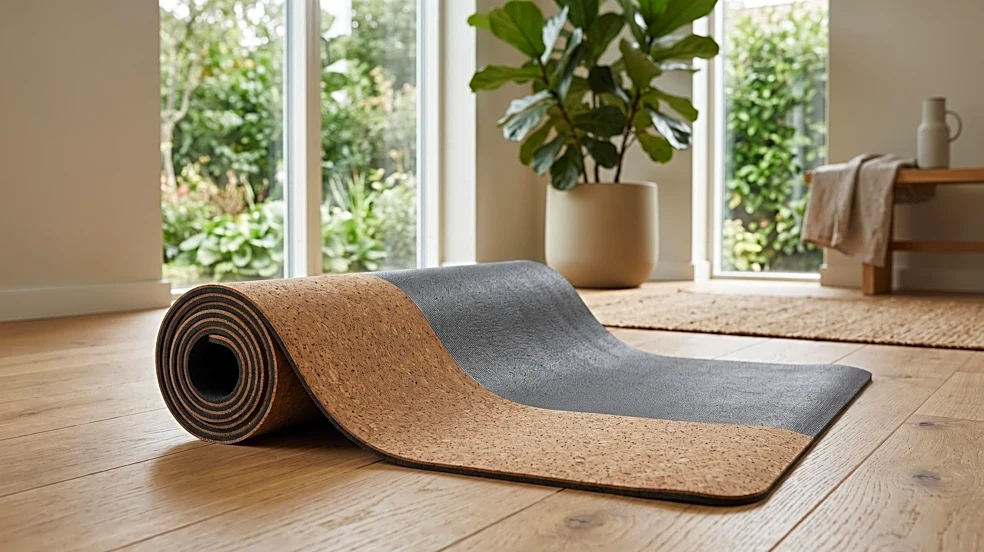
pilates, and the rise of home gyms. Concurrently, camping mats are seeing steady sales, driven by increased visitation to national parks and the growing trend of glamping. Consumers in the U.S. are prioritizing specific features in these products, including thickness, the use of eco-friendly materials, and portability. The market is considered mature, with current innovation efforts largely concentrated on developing sustainable materials such as TPE (Thermoplastic Elastomer) and cork. This focus on sustainability and convenience reflects evolving consumer preferences within the fitness and outdoor recreation sectors.
Why It's Important?
This trend is significant for the U.S. retail and manufacturing sectors, particularly for companies specializing in sporting goods and outdoor equipment. The sustained demand for fitness and camping mats indicates a broader societal shift towards health, wellness, and engagement with nature. For businesses, this means continued opportunities for product development in eco-friendly and multi-functional items. The emphasis on sustainable materials also highlights a growing consumer consciousness regarding environmental impact, pushing manufacturers to adopt greener practices and source responsibly. Furthermore, the popularity of home gyms and glamping suggests changes in leisure activities and travel, potentially impacting related industries such as tourism and real estate, as more people seek amenities that support these lifestyles. Companies that can effectively cater to these evolving preferences for sustainability, comfort, and versatility are likely to gain a competitive edge.
What's Next?
Looking ahead, the U.S. Fitness and Camping Mats Market is expected to continue its trajectory of moderate to strong growth. Key drivers will include ongoing technological advancements in eco-friendly foams, anti-slip textures, and compact designs. Manufacturers are likely to further integrate smart materials and sustainability into their product lines, with recycled rubber, biodegradable foams, and plant-based polyurethane moving from niche to mainstream. The market will also see increased focus on features like odor resistance, antimicrobial treatments, and self-cleaning surfaces, particularly for shared-use settings. Companies will need to prioritize material transparency and durability testing to address consumer skepticism about 'greenwashing.' Strategic recommendations for industry stakeholders include investing in compact, rollable designs, and exploring omnichannel distribution to reach diverse consumer segments. Partnerships with outdoor adventure brands, fitness influencers, and rental platforms could also extend market reach without significant advertising spend.
Beyond the Headlines
The sustained growth in the U.S. fitness and camping mats market reflects deeper cultural and lifestyle shifts. The rise of home fitness, accelerated by recent global events, signifies a long-term change in how Americans approach exercise, moving towards more personalized and accessible routines. Simultaneously, the glamping trend points to a desire for outdoor experiences that blend comfort with nature, indicating a nuanced approach to recreation that values both adventure and convenience. This dual emphasis on personal well-being and environmental consciousness could influence broader consumer product development, encouraging innovation in other sectors to align with these values. The demand for sustainable materials in these mats also underscores a growing ethical consideration among consumers, pushing industries to re-evaluate their supply chains and manufacturing processes for greater environmental responsibility. This could lead to a more widespread adoption of circular economy practices across various consumer goods.