



What's Happening?
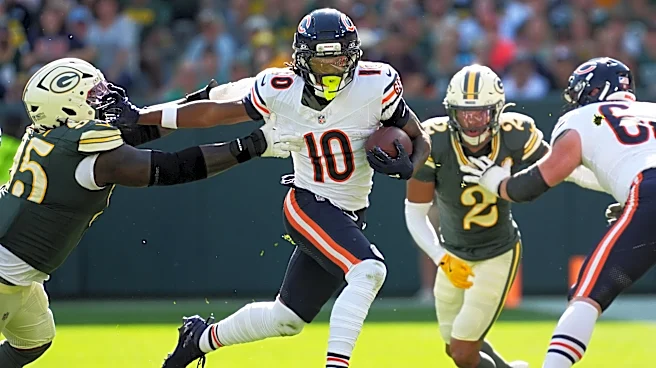
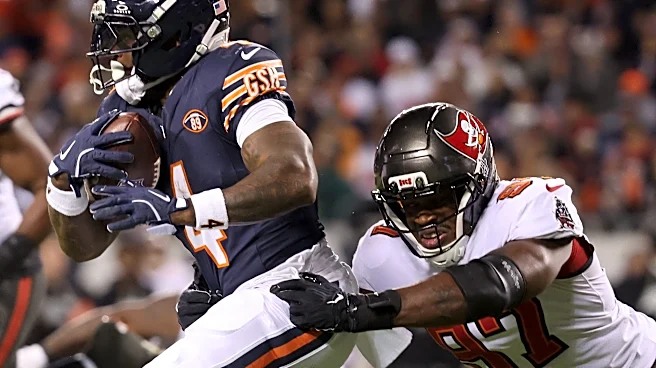
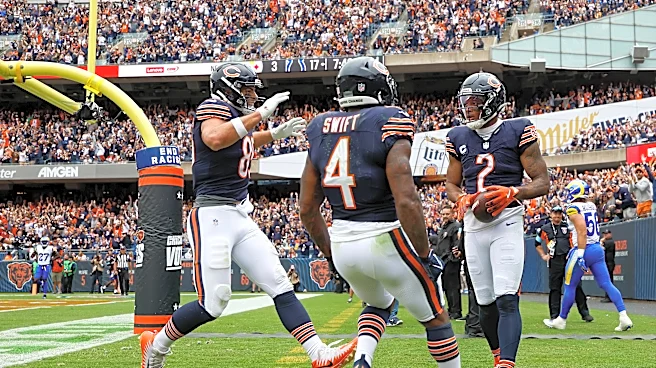
Running back D'Andre Swift provided insights into the Chicago Bears' locker room culture and recent offensive performance during an appearance on Barstool Chicago's The Stretch on November 16th. Swift highlighted a significant shift in team culture since
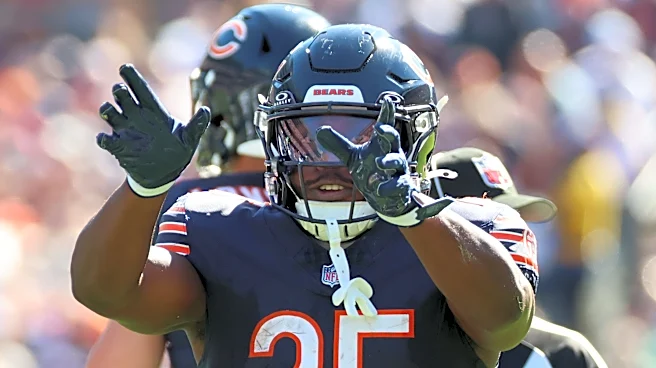
Ben Johnson took over, stating that 'When Ben came, it kind of changed the whole culture and everything like that.' He noted a positive atmosphere within the team, despite acknowledging that the offense did not perform to its standards in a recent win, crediting the defense for the victory. Swift has been a key component of Johnson's offense, particularly due to injuries to fellow running back Kyle Monangai. However, the team's rushing attack has seen a substantial decline, dropping from an average of over 196 rushing yards per game in the first four games to under 100 in the subsequent five. This shift has placed more responsibility on Swift, and with Monangai's potential return, the backfield dynamics are expected to change.
Why It's Important?
Swift's comments are important as they offer a rare glimpse into the internal dynamics of a successful NFL team, particularly concerning how culture shifts and performance challenges are managed. His remarks underscore the belief within the team in Ben Johnson's leadership, even as the offense faces adversity. The decline in the Bears' rushing production, despite their 7-2 record, highlights a critical challenge for the team as they aim for a deep postseason run. The ability of players like Swift to adapt to changing workloads and backfield compositions will be crucial. This situation tests the team's resilience and adaptability, demonstrating whether they can maintain their winning trajectory when key offensive elements are not consistently performing at their peak. It also emphasizes the importance of a strong team culture in navigating difficult periods and maintaining player morale.
What's Next?
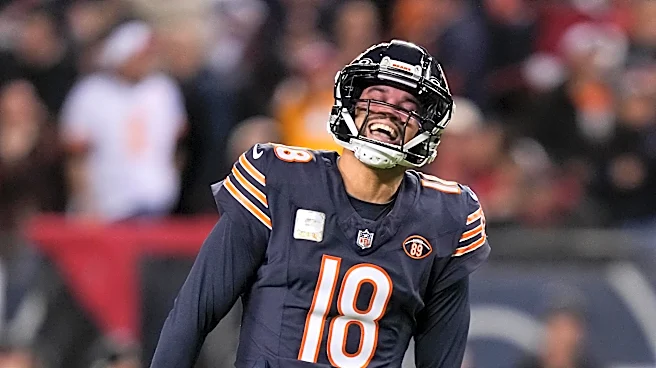
The Chicago Bears are entering a critical phase where their ability to handle adversity will be tested. With Kyle Monangai potentially returning from injury, the team's backfield dynamics are likely to change, requiring Swift and other running backs to adapt to new roles and workloads. The coaching staff, led by Ben Johnson, will need to address the recent decline in rushing production to ensure the offense can consistently perform at a high level. The team's response to challenges, such as quarterback Caleb Williams' recent four-interception performance, will be closely watched. The upcoming games will reveal how well the Bears can navigate these difficult stretches and whether their established team culture can sustain them through the remainder of the season and into the playoffs. The focus will be on maintaining offensive efficiency and adapting strategies to maximize player strengths.
Beyond the Headlines
Beyond the immediate performance metrics, Swift's observations shed light on the psychological and leadership aspects of professional sports. The emphasis on a changed 'culture' under Ben Johnson suggests that team cohesion and morale play a significant role in a team's overall success, even when individual performances fluctuate. The challenge of balancing individual player workloads with team needs, especially in a physically demanding sport like football, raises questions about player management and long-term athlete well-being. The situation also highlights the constant pressure on coaching staff to adapt strategies and manage player expectations amidst injuries and performance dips. This internal perspective offers a deeper understanding of how professional sports teams navigate the complexities of competition, leadership, and player dynamics beyond just wins and losses.