




What's Happening?
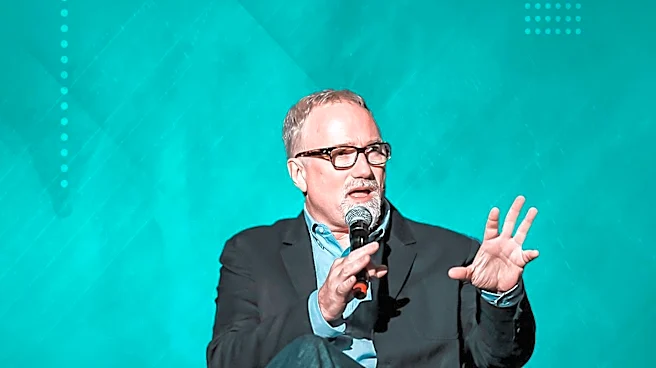
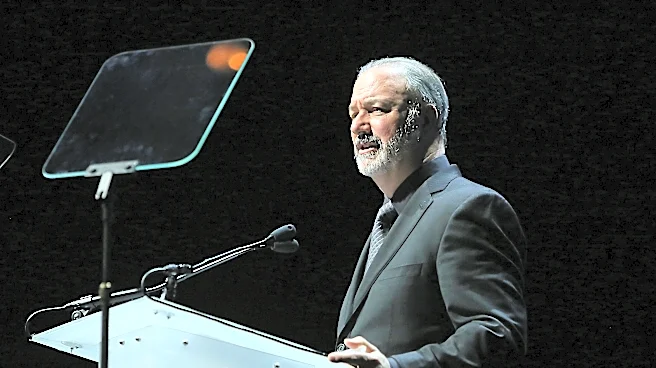
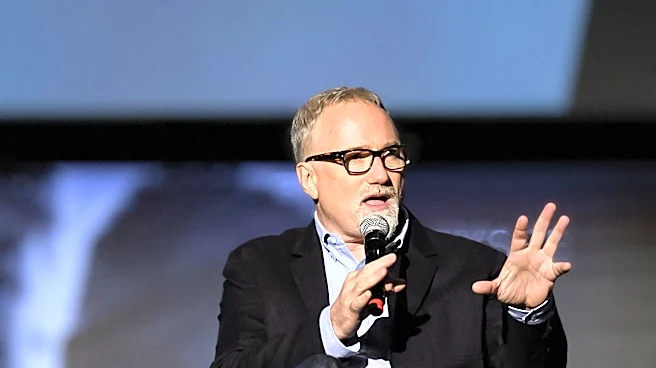
Filmmaker and critic Patrick Tomasso, along with other users, has voiced significant criticism regarding director David Fincher's new movie, 'The Further Mis-Adventures of Cliff Booth,' alleging extensive and 'blatant' use of artificial intelligence in its
production. Early screenings of the film have led to complaints on social media platforms, with critics pointing to various visual anomalies as evidence of AI integration. These include faces changing mid-scene, unrealistic physics, garbling of fine lines, and full-body performance swaps. Additionally, AI-generated elements like signs, fire, and traffic have been noted. Tomasso specifically highlighted a scene in the trailer showing two people riding a wagon backward, seemingly holding reins for horses positioned behind them, as an example of AI handiwork. This comes despite Fincher's reputation for meticulous detail and 'invisible' VFX in previous works like 'Fight Club' and 'Se7en'.
Why It's Important?
The controversy surrounding David Fincher's alleged use of AI in 'The Further Mis-Adventures of Cliff Booth' highlights a growing tension within the film industry regarding the adoption of artificial intelligence in creative processes. Fincher, known for his embrace of digital technology to achieve perfection, has previously utilized AI-powered post-production tools and generative AI for shot composition. This development is significant as it brings the debate over AI's role in filmmaking to a prominent director, potentially influencing how audiences and industry professionals perceive AI-assisted productions. The criticism suggests that when AI use becomes noticeable or detracts from the film's quality, it can negatively impact critical reception and audience engagement. This could lead to increased scrutiny of AI implementation in future projects and potentially shape industry standards and ethical guidelines for its use, affecting visual effects artists and production studios.
What's Next?
The ongoing discussion around David Fincher's use of AI in 'The Further Mis-Adventures of Cliff Booth' is likely to intensify as the film receives wider release. This could prompt further public and industry debate on the ethical implications and artistic integrity of AI in filmmaking. Fincher himself has defended AI's place in the industry, stating he is 'not a Luddite' and questioning why available technology should not be utilized. This stance suggests a continued willingness to explore AI's capabilities, potentially leading to more AI-integrated projects from him and other directors. The controversy may also spur film critics and audiences to develop a more discerning eye for AI-generated content, influencing box office performance and critical acclaim for films that visibly employ such technologies. The industry may face pressure to establish clearer guidelines or disclosures regarding AI use in film production.
Beyond the Headlines
The debate over AI in 'The Further Mis-Adventures of Cliff Booth' extends beyond mere technical execution, touching upon deeper philosophical questions about authorship, creativity, and the future of artistic expression in the digital age. If AI can generate or alter significant portions of a film's visual content, it raises questions about the human element in filmmaking and the value of traditional craftsmanship. The perceived 'laziness' or 'egregious' nature of the AI use, as described by critics, suggests a potential devaluation of the artistic product when technology is seen to compromise quality or authenticity. This could lead to a cultural shift in how films are made and consumed, with audiences potentially becoming more skeptical of visually polished but artistically hollow productions. The incident also underscores the rapid advancement of AI and the challenges it poses to established creative industries, forcing a reevaluation of what constitutes 'art' and 'filmmaking' in an increasingly automated world.