
What's Happening?
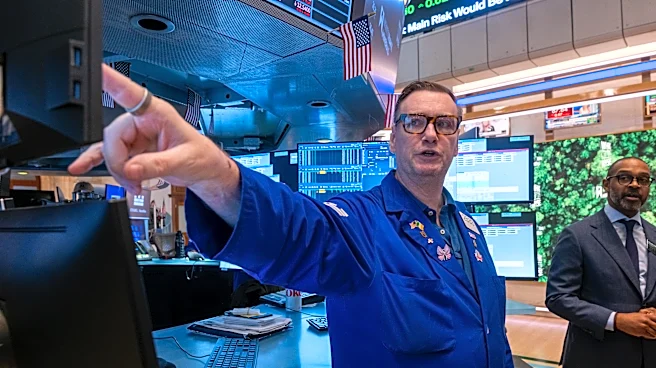
Michael Reinking, Senior Market Strategist at the New York Stock Exchange (NYSE), recently discussed current market sentiment, technology stocks, and AI-related volatility. Speaking from the NYSE trading floor, Reinking noted that markets entered the holiday
period following a challenging stretch for technology and AI-driven stocks. Investors are closely monitoring whether this sector can stabilize and reclaim market leadership. The conversation, held during a NYSE Live segment with Ashley Mastronardi, also touched upon recent market volatility and the significance of technical indicators, such as the S&P 500’s 200-day moving average. Traders are observing these factors as stocks attempt to build on recent gains. Reinking highlighted concerns surrounding the AI trade, questioning whether slowing growth expectations indicate a temporary deceleration or a more significant shift in market leadership. He emphasized that investors are seeking moderated volatility and a stronger market foundation before confidence can fully return.
Why It's Important?
The insights from a senior strategist at the NYSE are crucial for understanding the current dynamics of the U.S. stock market, particularly concerning the technology and artificial intelligence sectors. These sectors have been significant drivers of market performance, and their stability or volatility can have widespread implications for investor portfolios and economic sentiment. A sustained downturn or continued choppiness in AI-driven stocks could signal a broader market correction, affecting retirement funds, institutional investments, and individual investors. Conversely, a stabilization and resurgence of these sectors could fuel a year-end rally, boosting economic confidence. The focus on technical indicators like the S&P 500’s 200-day moving average underscores the importance of technical analysis in guiding trading decisions and market expectations, influencing how both retail and institutional investors allocate capital.
What's Next?
Looking ahead, investors will continue to focus on the performance of the technology sector and AI-related growth trends. Market volatility, technical support levels, and the broader outlook for equities will be key areas of observation as markets approach the end of the year. Reinking's comments suggest that a significant factor for renewed investor confidence will be a reduction in volatility and the establishment of a more robust market foundation. The potential for a year-end rally, often referred to as a 'Santa Claus rally,' will depend heavily on these factors. Additionally, post-holiday trading activity, investor sentiment, earnings fundamentals, and market breadth will be closely scrutinized by institutional traders evaluating price action during periods of heightened uncertainty.
Beyond the Headlines
The current market environment, characterized by volatility in high-growth sectors like AI, reflects a broader re-evaluation of investment strategies and risk appetite. The discussion about whether slowing growth expectations in AI are temporary or indicative of a deeper shift highlights the ongoing debate about the sustainability of recent tech-driven market gains. This period of uncertainty could lead to a reallocation of capital, potentially benefiting other sectors or asset classes if investors perceive technology stocks as overvalued or too risky. Furthermore, the emphasis on transparency and good governance by the NYSE, as mentioned in its mission, becomes particularly relevant during volatile times, as it underpins investor trust and market integrity. The market's reaction to these trends will shape not only short-term trading but also long-term investment patterns and the future direction of technological innovation funding.