






What's Happening?
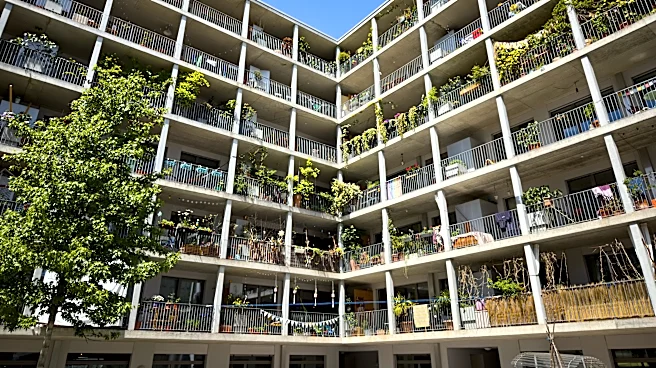
Residents in Philadelphia are facing challenges related to noise etiquette in apartment living, particularly concerning privacy and acceptable noise levels. Inquirer staffers Beatrice Forman and Zoe Greenberg addressed a reader's inquiry about appropriate
noise conduct in semi-detached houses, where loud conversations, music, and other activities can be heard through walls. They acknowledge that some noise is expected in city living but emphasize that there are limits to what neighbors should be subjected to. A distinction was drawn between music played on a Sunday afternoon and more offensive noises occurring in the early morning hours, highlighting the importance of 'appropriate hours of operation.' The discussion also touched upon the difficulties of navigating direct conversations with neighbors to resolve more serious noise issues.
Why It's Important?
The ongoing discussion about noise etiquette in Philadelphia's dense urban environment highlights a common challenge in many U.S. cities. As urban populations grow and housing density increases, issues of shared living spaces and neighborly conduct become more prominent. This situation impacts the quality of life for residents, potentially leading to disputes and a decrease in community harmony. For policymakers and urban planners, understanding these social dynamics is crucial for developing effective housing policies and community guidelines that promote peaceful coexistence. The need for clear communication and established norms around noise can influence resident satisfaction and the overall livability of urban areas, affecting both individual well-being and broader community relations.
What's Next?
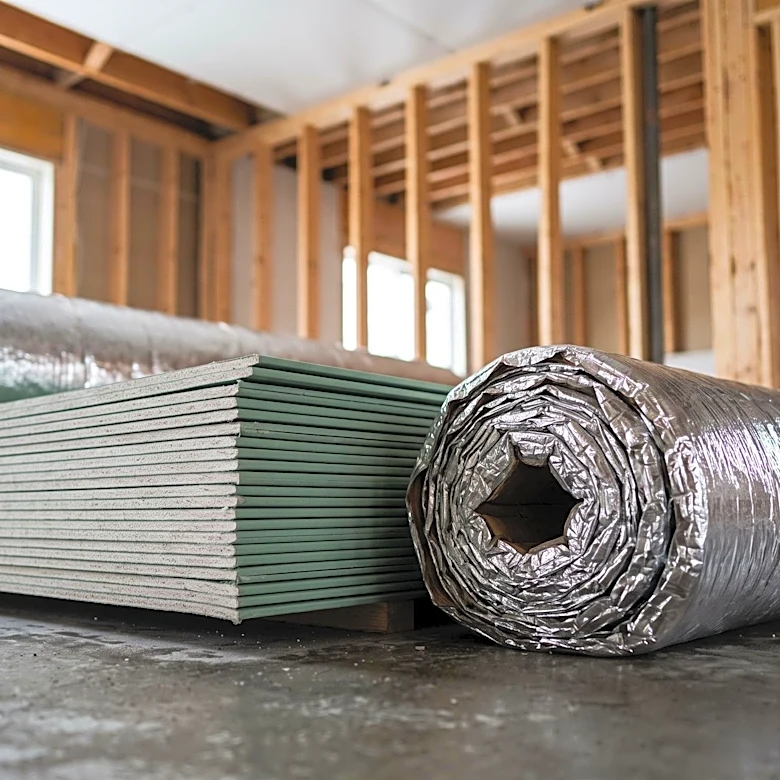
The ongoing dialogue among residents and urban commentators suggests a continued need for clearer guidelines or community-led initiatives to address noise concerns in Philadelphia's apartment buildings. While no immediate policy changes are indicated, the conversation may prompt local community associations or building management to consider implementing or reinforcing noise policies. Residents might also explore various soundproofing solutions or communication strategies to mitigate disturbances. The emphasis on 'appropriate hours of operation' could lead to more informal agreements or expectations within residential communities. Ultimately, the resolution of these issues will likely depend on a combination of individual neighborly consideration and, potentially, more formalized community standards.
Beyond the Headlines
Beyond the immediate concerns of noise, this issue touches upon broader themes of urban development, personal space, and the evolving social contract in high-density living. The challenge of maintaining privacy and peace in close quarters can contribute to stress and impact mental well-being. It also raises questions about the design and construction standards of urban housing, particularly regarding sound insulation. Culturally, it reflects a tension between individual freedom and collective responsibility in shared environments. The way communities address these seemingly minor issues can be indicative of their capacity to manage larger urban challenges, fostering either a sense of community or increasing social friction.