





What's Happening?
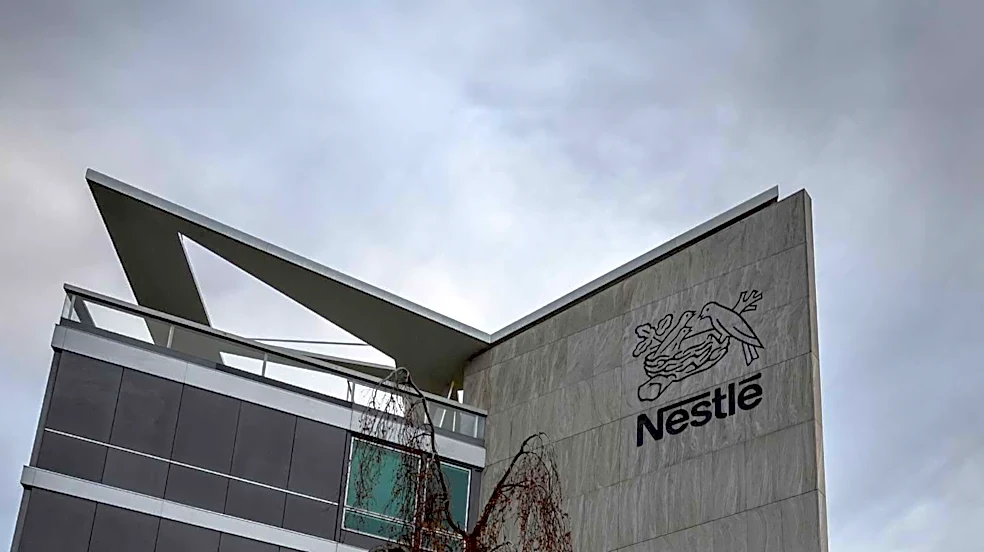
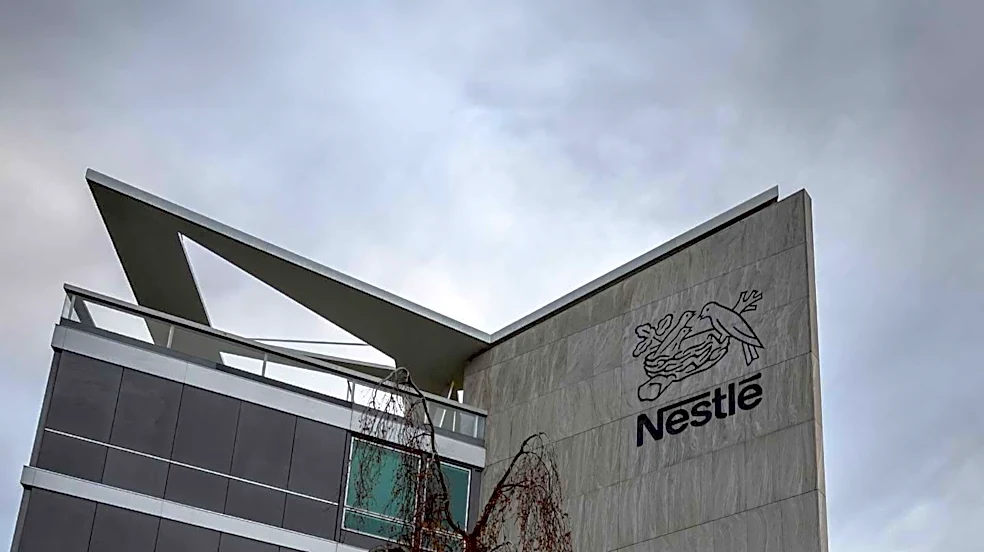
Nestlé announced its decision to close a factory in Solon, Ohio, by the end of 2027. This move is part of a broader strategy to adapt to evolving consumer demands and shifts in product volume. The production of pouch items for Nestlé's foodservice division
will gradually transition to its Gaffney, South Carolina, facility, with operations in Solon expected to cease by the third quarter of 2027. While the company did not specify the number of affected employees, a WARN notice is anticipated around March. Nestlé executives have expressed dissatisfaction with the company's performance in North America, particularly highlighting underperforming categories like creamers, the Gerber infant and child brand, and slower growth in frozen foods. This closure aligns with a trend among U.S. food and beverage manufacturers, including PepsiCo, Tyson Foods, JBS, Danone, and Mars, who are streamlining operations, reducing costs, and adjusting supply to meet declining consumer demand influenced by elevated prices. The broader Nestlé campus in Solon, which houses R&D, corporate operations, and other businesses, will remain open.
Why It's Important?
This factory closure by Nestlé signifies a critical shift in the U.S. food and beverage industry, reflecting a broader trend of companies optimizing their manufacturing networks to enhance efficiency and reduce costs. The decision underscores the challenges faced by large corporations in adapting to changing consumer preferences and economic pressures, such as elevated prices leading to decreased demand. For the U.S. market, this could mean a more consolidated and efficient supply chain for certain food products, potentially leading to cost savings for manufacturers but also job displacement in affected communities. The focus on improving execution in North America, particularly in underperforming segments, indicates a strategic pivot towards profitability and market responsiveness. The actions of major players like Nestlé, PepsiCo, and Tyson Foods set a precedent for how the industry will navigate future economic fluctuations and consumer behavior shifts, impacting employment, local economies, and the competitive landscape of the food sector.
What's Next?
Nestlé plans to gradually transition pouch production to its Gaffney, South Carolina, factory over the coming months, with the Solon facility's operations concluding by the third quarter of 2027 and its full closure by the end of that year. The company is expected to file a WARN notice around March, which will provide more details regarding the number of employees affected by the closure. This period will likely involve efforts to support impacted employees, potentially through severance packages, retraining programs, or assistance in finding new employment. Other food and beverage manufacturers in the U.S. are likely to continue evaluating their own operational efficiencies and supply chain strategies, potentially leading to further facility closures or consolidations across the industry. Consumers may see continued adjustments in product availability and pricing as companies strive to align production with demand and cost structures.
Beyond the Headlines
The closure of Nestlé's Ohio factory, alongside similar actions by other major food companies, highlights a deeper economic and societal implication: the ongoing rationalization of industrial operations in response to market dynamics. This trend can lead to significant economic disruption in communities heavily reliant on these manufacturing jobs, raising questions about local economic resilience and diversification. Furthermore, the emphasis on 'underperforming' categories and 'slower growth' in frozen foods points to a broader shift in consumer habits, possibly towards fresh, healthier, or more niche food options, challenging traditional food giants to innovate or risk obsolescence. The ethical considerations around corporate responsibility to employees and communities during such transitions will also come to the forefront, as companies balance financial performance with social impact. This situation underscores the continuous evolution of the U.S. manufacturing landscape and the need for adaptability from both corporations and the workforce.