









What's Happening?
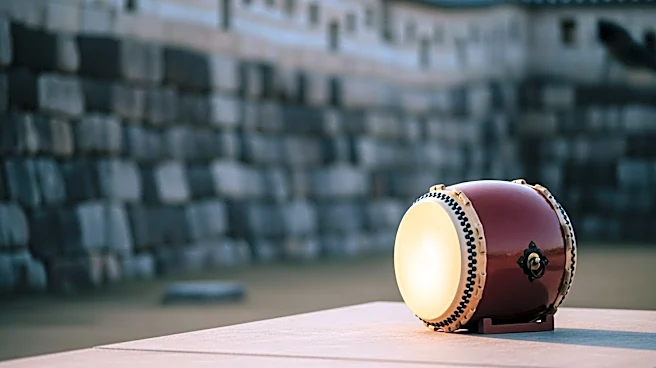
Lululemon, a Canadian activewear brand, issued an apology following a promotional yoga event on the Great Wall of China that mistakenly featured a Japanese taiko drum instead of a traditional Chinese dagu drum. The event, intended to celebrate Chinese culture,
sparked significant controversy on Chinese social media platform Weibo, where users criticized the brand for cultural insensitivity. The incident garnered over 50 million views, prompting calls for boycotts. Lululemon acknowledged the oversight, attributing it to a lack of professional knowledge, and committed to more rigorous planning for future events. The company has since removed all related content from its platforms.
Why It's Important?
This incident underscores the challenges international brands face when navigating cultural sensitivities in foreign markets, particularly in China, where cultural missteps can lead to significant backlash and potential economic repercussions. For Lululemon, which is expanding rapidly in China, maintaining a positive brand image is crucial. The backlash highlights the importance of cultural competence and the potential for reputational damage if local customs and traditions are not respected. This situation serves as a reminder for global companies to engage in thorough cultural research and consultation to avoid similar controversies.
What's Next?
Lululemon's response to the controversy will likely involve increased cultural sensitivity training and consultation with local experts to prevent future missteps. The company may also engage in public relations efforts to rebuild its image in China, possibly through collaborations with local cultural figures or initiatives that demonstrate a genuine commitment to understanding and respecting Chinese culture. The broader industry may also take note, leading to more cautious approaches in marketing strategies by other international brands operating in China.