





What's Happening?
Pilates is a comprehensive exercise method developed by Joseph Pilates, focusing on building strength, flexibility, coordination, and body awareness through controlled movements. It prioritizes control, precision, and alignment, incorporating central
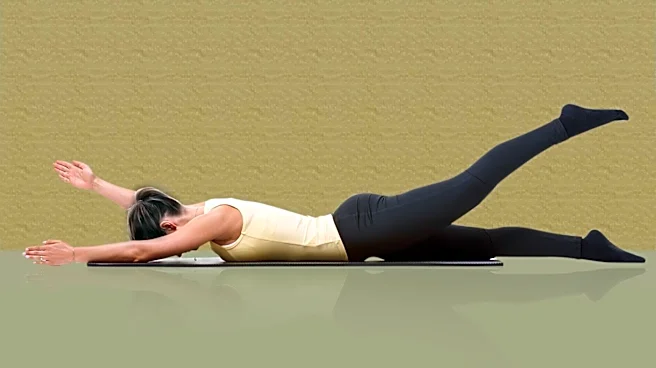
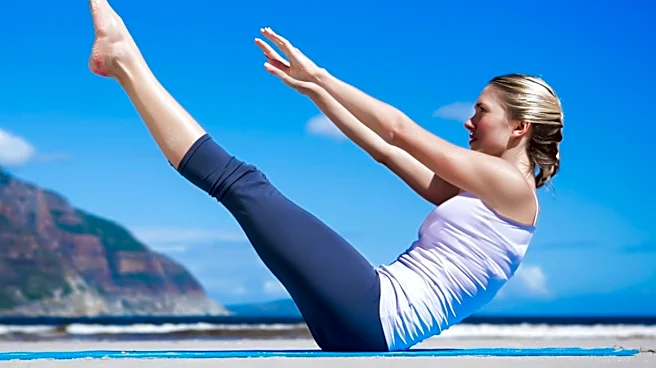
principles such as breathing, pelvic placement, rib cage placement, scapular stabilization, and cervical alignment. Often mistakenly viewed as solely a core workout or stretching practice, Pilates aims to enhance posture, movement quality, and overall body mechanics. It is a low-impact, systematic workout performed in a sequential order, emphasizing breath, dynamics, rhythm, and flow. The practice can be done on a mat or using specialized apparatus like the reformer, cadillac, and wunda chair. Pilates helps the body achieve control, balance, precision, strength, and flexibility, leading to improved overall posture. It is widely utilized for general fitness, injury prevention, and long-term physical well-being.
Why It's Important?
The emphasis of Pilates on controlled, precise movements and core engagement makes it a valuable practice for a wide range of individuals in the U.S., from athletes seeking to enhance performance to those recovering from injuries or looking for a sustainable fitness routine. Its low-impact nature means it is accessible to various age groups and fitness levels, promoting longevity in physical activity. By building flexibility as a byproduct of strength, Pilates offers a distinct approach compared to other practices like yoga, which primarily focuses on stillness and breath for flexibility. This method's ability to improve posture and body mechanics can have significant societal benefits, potentially reducing instances of chronic pain and improving daily functional movement for many Americans. Furthermore, its systematic approach provides a structured path for physical development, making it a reliable component of a well-rounded exercise regimen alongside cardio and strength training.
What's Next?
As awareness of holistic health and sustainable fitness grows in the U.S., the popularity of Pilates is likely to continue expanding. Studios and fitness centers may increasingly integrate Pilates into their offerings, potentially leading to more specialized classes and instructor training programs. The method's adaptability to different apparatus and its mat-based options suggest it will remain accessible to a broad audience, whether in dedicated studios or home-based practices. Further research into the specific benefits of Pilates for various populations, such as older adults or individuals with specific health conditions, could also drive its adoption. The ongoing evolution of fitness trends may see Pilates being combined with other exercise modalities, creating hybrid workouts that cater to diverse fitness goals and preferences.
Beyond the Headlines
Beyond its physical benefits, Pilates offers deeper implications for mental well-being and the mind-body connection. The intense focus and concentration required for each movement can serve as a form of moving meditation, helping to quiet mental chatter and reduce stress. This aspect is particularly relevant in a society grappling with increasing levels of stress and anxiety. The emphasis on body awareness can also empower individuals to better understand and listen to their bodies, fostering a more intuitive approach to health and self-care. Ethically, Pilates promotes a non-competitive environment, focusing on individual progress and self-improvement rather than external comparison, which can be a refreshing change from the often-competitive nature of other fitness activities. This holistic approach to physical and mental health positions Pilates not just as an exercise routine, but as a lifestyle practice that contributes to overall well-being.