

What's Happening?
BookTok, TikTok's expansive community of reading enthusiasts, is significantly impacting interior design, moving trends away from minimalism towards a 'library chic' aesthetic. With over 84 million posts using the #BookTok hashtag, a 65% increase in the past
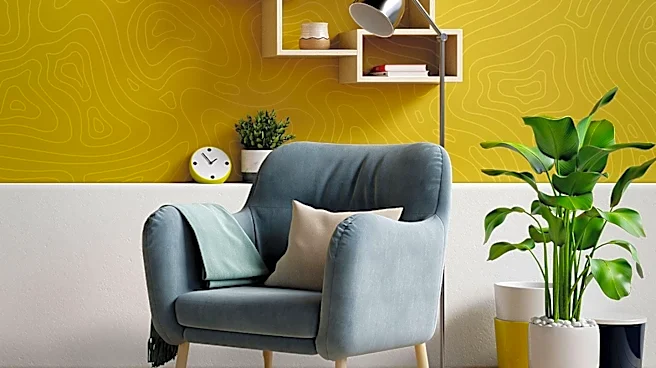
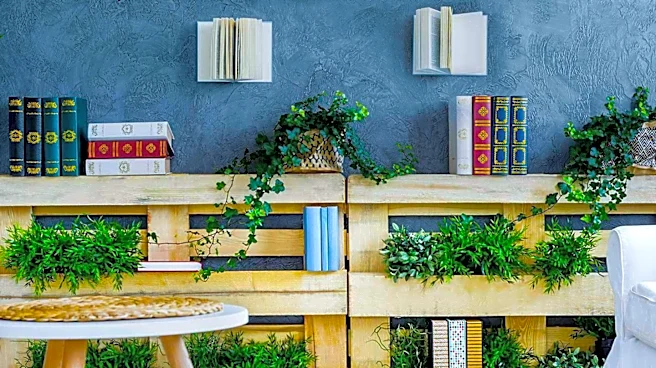
year, its influence now extends beyond reading choices to home decor. This trend emphasizes walls of books, comfortable armchairs, atmospheric colors, and personalized spaces filled with novels, artwork, and collected treasures. It is closely related to the 'bookshelf wealth' aesthetic, which favors lived-in, layered interiors over pristine, perfectly styled ones. Pinterest reports a 245% surge in searches for 'reading nook ideas' and a 455% increase for 'comfy reading chair small spaces,' indicating a growing desire for home environments conducive to reading. Kate Conrad, founder of Madison and Mayfair, notes that this movement fulfills a 'real hunger for warmth, character and a sense of being cocooned at home' after years of minimalist trends. The 'library chic' trend also incorporates elements of the dark academia aesthetic, featuring vintage and gothic style furniture, rich colors like red wine, forest green, and navy blues, and antique objects to create a moody, academic, and lived-in feel.
Why It's Important?
This shift in interior design, driven by BookTok, highlights the profound influence of social media communities on consumer behavior and lifestyle trends in the U.S. The move towards 'library chic' and 'bookshelf wealth' signifies a broader cultural yearning for comfort, personalization, and intellectual engagement within living spaces. For the home furnishings and decor industry, this translates into increased demand for specific products such as bookshelves, comfortable reading chairs, and decorative items that evoke a classic library feel. Retailers and designers who recognize and adapt to this trend can capitalize on a growing market segment seeking to create more characterful and cozy homes. Furthermore, the popularity of the dark academia aesthetic within this movement suggests a renewed appreciation for vintage, antique, and academically inspired decor, potentially boosting niche markets for such items. This trend also underscores the power of online communities like BookTok to shape real-world consumption patterns, demonstrating how digital engagement can lead to tangible economic impacts across various sectors, from publishing to interior design.
What's Next?
The 'library chic' and dark academia trends are expected to continue gaining momentum, influencing product development and marketing strategies within the home decor and furniture industries. Manufacturers and retailers will likely introduce more collections that cater to this aesthetic, featuring items like bespoke and off-the-shelf library walls, plush armchairs, and atmospheric lighting. Interior designers may increasingly incorporate reading nooks and book-centric decor into their projects, offering personalized solutions for clients seeking to embrace this style. The trend could also lead to a resurgence in demand for physical books and literary-themed accessories, benefiting bookstores and independent artists. As social media platforms continue to evolve, the influence of communities like BookTok on lifestyle choices is likely to expand, prompting businesses to monitor these digital spaces for emerging trends. Future developments may include collaborations between BookTok influencers and home decor brands, further solidifying the connection between online literary communities and tangible consumer markets.
Beyond the Headlines
Beyond the immediate commercial implications, the rise of 'library chic' reflects a deeper societal shift towards valuing intellectual pursuits, comfort, and authenticity in an increasingly digital and fast-paced world. In an era dominated by screens and fleeting online content, the desire to create physical spaces dedicated to reading and contemplation suggests a counter-movement towards mindfulness and a slower pace of life. This aesthetic also challenges the minimalist ideal that has prevailed for years, indicating a preference for spaces that tell a story, reflect personal history, and offer a sense of 'cocooning' and security. Ethically, this trend encourages sustainable consumption by promoting the use of second-hand books and antique objects, fostering a more circular economy in home decor. Culturally, it reinforces the enduring value of books as both sources of knowledge and cherished decorative elements, integrating literature more visibly into daily living and potentially inspiring a new generation of readers to engage with physical books and create their own literary sanctuaries.