





What's Happening?
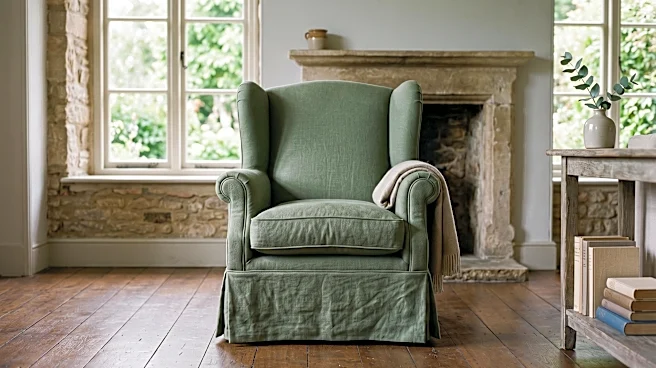
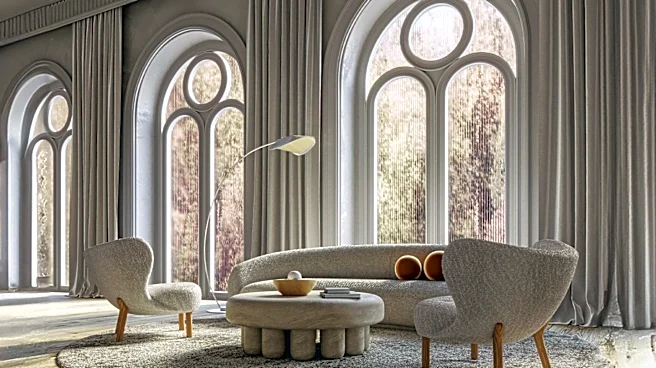
Quiet luxury in home design is an approach that prioritizes understated, high-quality furniture and natural materials over visible branding or trend-driven decor. This style values craftsmanship, comfort, and longevity, aiming to create a settled, timeless
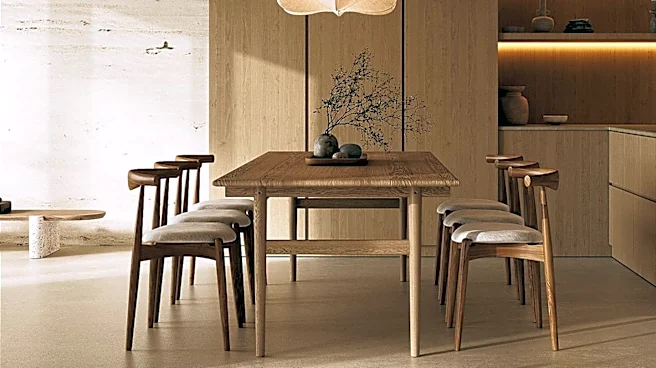
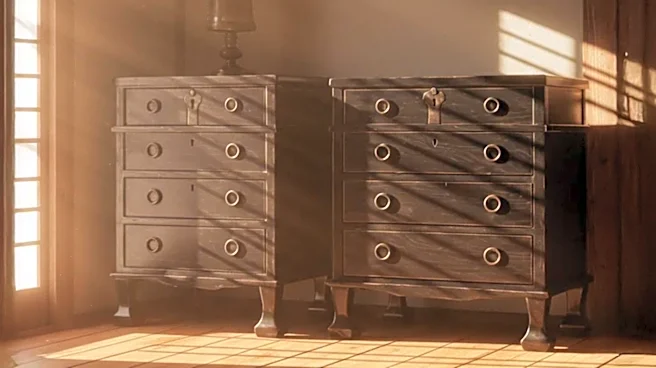
feel in a home rather than a temporary showroom look. It is characterized by pieces built from solid materials such as wood, leather, and natural fabrics, designed to endure rather than follow seasonal trends. Homeowners embracing this style seek rooms that feel resolved, where every piece has earned its place, often favoring solid wood furniture, natural upholstery, and a restrained color palette. The focus is on investment pieces that will look and feel good after years of daily use, with materials like natural fibers (linen, wool, mohair) replacing synthetics, and solid wood, leather, and stone used instead of laminate or veneer.
Why It's Important?
This shift towards quiet luxury in home interiors signifies a broader consumer trend away from ostentatious displays of wealth and towards a more discerning appreciation for quality and durability. For U.S. consumers, this means a potential re-evaluation of purchasing habits, favoring long-term investments in furniture over frequent, trend-driven acquisitions. The emphasis on craftsmanship and natural materials could boost demand for skilled artisans and sustainable sourcing practices within the furniture industry. Brands like Century Furniture and Bernhardt, known for their traditional joinery and solid construction, are well-positioned to benefit from this trend. This movement also impacts interior designers, who are increasingly focusing on creating spaces that support daily life and age gracefully, rather than merely performing for immediate visual impact. It suggests a growing desire for homes that offer a retreat and reflect personal values of quality and permanence.
What's Next?
The quiet luxury trend is expected to continue influencing the U.S. home furnishings market, with a sustained demand for well-made, durable pieces. Consumers may increasingly seek out authorized dealers of brands known for their quality construction and timeless designs. Interior design consultations will likely focus more on material selection, construction quality, and creating cohesive, restrained palettes. The industry may see a rise in educational efforts to inform consumers about the benefits of investing in high-quality, long-lasting furniture. Furthermore, the trend could encourage manufacturers to prioritize sustainable and ethically sourced materials, aligning with a broader consumer consciousness. Retailers might adapt by curating collections that emphasize craftsmanship and understated elegance, moving away from fast-furniture models.
Beyond the Headlines
Beyond its aesthetic appeal, quiet luxury in home design reflects a deeper cultural shift towards mindful consumption and a rejection of disposable culture. It encourages a more considered approach to furnishing a home, viewing pieces as investments rather than temporary decor. This philosophy can lead to a reduction in waste and a greater appreciation for the resources and labor involved in creating quality goods. Ethically, it promotes fair labor practices and sustainable material sourcing, as consumers become more aware of the origins and impact of their purchases. Culturally, it signifies a return to valuing substance over superficiality, where true luxury is found in enduring quality and comfort rather than overt branding. This could foster a more sophisticated and sustainable approach to home living across the U.S.