


What's Happening?
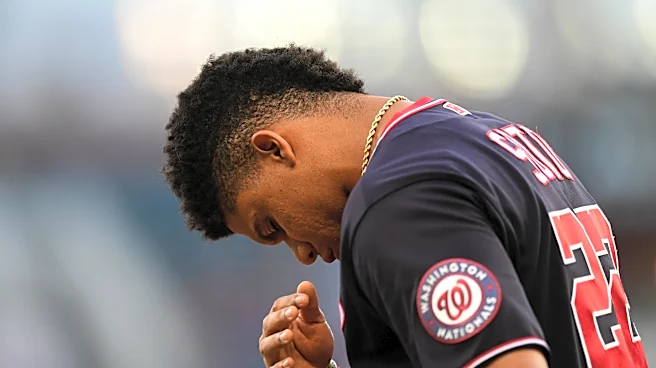
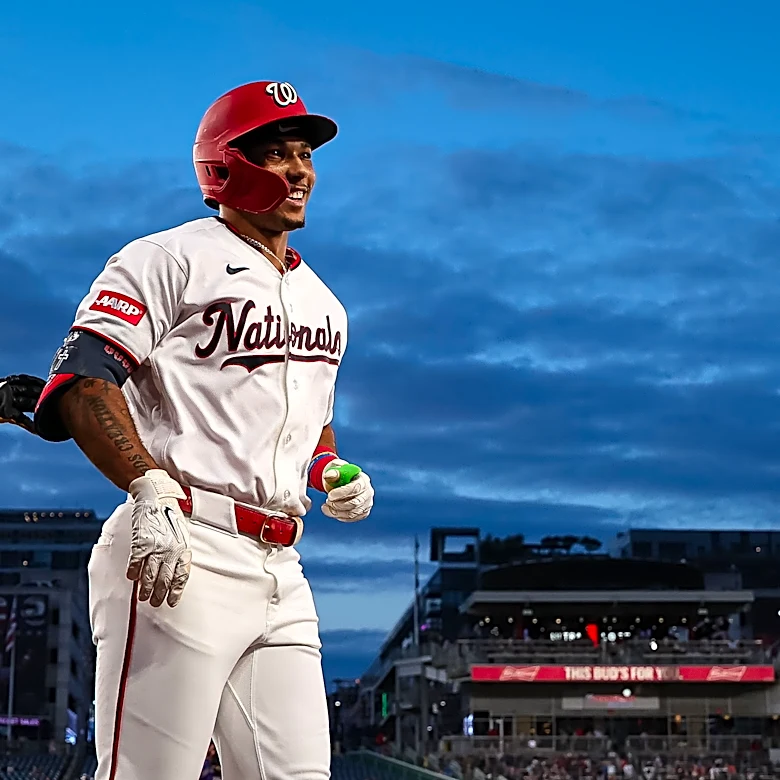
Juan Soto, a Dominican Major League Baseball outfielder, signed a record-breaking 15-year, $765 million contract with the New York Mets. This deal, which includes an average annual value of $51 million and extends through the 2039 season, has drawn criticism
in New York, particularly when the team does not win a World Series. Despite this scrutiny, an analysis of his 2026 season performance, based on Spotrac salary data and statistics verified by Swing Completo, indicates that Soto continues to justify his contract. In 2026, despite two stints on the injured list due to calf issues that limited him to 111 games, Soto maintained an elite offensive pace. He posted a slash line of .275/.393/.515, with 27 home runs, 68 RBIs, an OPS of .908, and an OPS+ of 154, meaning he was 54% better than the league average. He also contributed 3.0 WAR, according to Baseball-Reference.
Why It's Important?
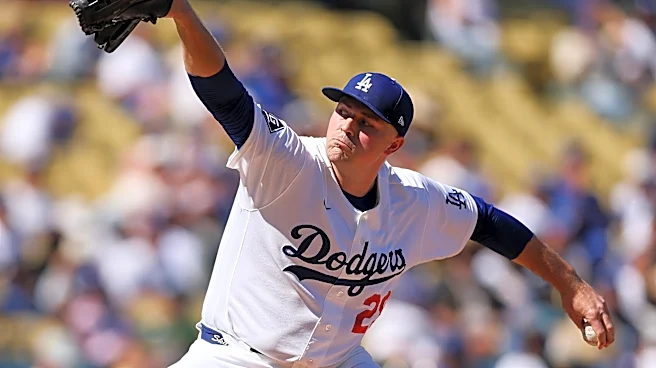
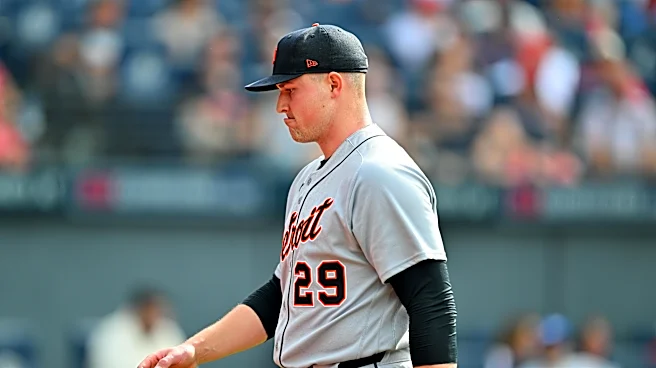
The debate surrounding Juan Soto's contract highlights a significant issue in professional sports: the balance between player compensation and on-field performance. While Soto's contract is one of the largest in sports history, his continued elite offensive production in 2026 suggests that the New York Mets are receiving value for their investment, even with his injury setbacks. This situation contrasts with other high-value contracts in MLB, such as those of Javier Báez (Detroit Tigers), Xander Bogaerts (San Diego Padres), and Willy Adames (San Francisco Giants), which are cited as examples of 'toxic' contracts due to a significant gap between salary and declining performance. For the Mets, Soto represents a generational hitter who can anchor an offense, making his contract a strategic investment in a difference-maker, provided he remains healthy. The financial implications for MLB teams are substantial, as poorly performing high-value contracts can severely limit a franchise's financial flexibility and competitive potential.
What's Next?
Juan Soto's contract with the New York Mets still has 13 seasons and $663 million remaining on the books, prior to an opt-out clause after the 2029 season. The ongoing discussion will likely focus on his ability to maintain his elite performance and health over the long term, especially given his calf issues in 2026. The Mets will continue to rely on his offensive prowess to contend for a World Series title, which would likely quell much of the criticism surrounding his record-breaking deal. Meanwhile, other MLB franchises will be closely evaluating their own high-value contracts, particularly those that are underperforming, as the financial burden of 'toxic' deals can significantly impact future team building and competitiveness. The performance of players like Báez, Bogaerts, and Adames in the upcoming 2027 season will further illustrate the challenges and risks associated with long-term, high-value player contracts in professional baseball.
Beyond the Headlines
The scrutiny of Juan Soto's contract extends beyond mere financial figures, touching upon the broader economic and cultural aspects of professional sports. The term 'toxic contract' reflects a fan and media perception that often prioritizes immediate return on investment over a player's long-term value or potential. This perspective can create immense pressure on athletes, particularly those with record-breaking deals, to consistently perform at an exceptional level. The ethical dimension arises when considering the impact of such contracts on team dynamics and the overall financial health of a franchise, especially when a player's performance declines. The long-term implications for MLB's salary structure and player valuation models are also significant, as these high-stakes contracts set precedents for future negotiations. The ongoing debate highlights the tension between the entertainment value of superstar players and the pragmatic financial management required for sustainable team success in a highly competitive league.