




What's Happening?
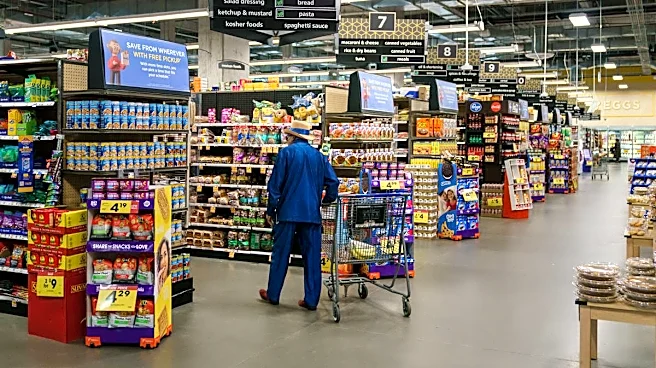
Kroger is piloting a return to 24-hour store operations in one Cincinnati location and five in Indiana, a move that has garnered significant skepticism from industry professionals and Supermarket News followers on LinkedIn. The grocer had previously operated
24-hour stores before the COVID-19 pandemic, during which overnight hours were utilized for cleaning and sterilization. Critics, including former store director Richard Dorfner, argue that the potential small sales increase does not outweigh the risks to employees and customers, citing past failures of this strategy. Roy Wade highlighted existing understaffing issues in Kroger's large stores, noting that employees are often pulled to assist with pickup orders, making it difficult to find staff after 7 p.m. Barry Blumentritt, a retired grocery supervisor, raised concerns about increased theft and incidents involving intoxicated individuals during late hours, stating, 'Nothing good happens after midnight.' This initiative comes as Kroger is experiencing a sales slump, having recently trimmed its outlook for full-year identical-store sales growth to less than 1%, excluding fuel, due to various headwinds.
Why It's Important?
Kroger's decision to reintroduce 24-hour operations carries significant implications for the U.S. grocery industry, particularly concerning labor practices, operational efficiency, and customer experience. The widespread skepticism from industry veterans underscores potential challenges related to staffing shortages, which are a persistent issue across the retail sector. If Kroger struggles to adequately staff these extended hours, it could exacerbate existing employee burnout and negatively impact customer service, potentially alienating shoppers rather than attracting them. Furthermore, the concerns about increased security risks like theft and disruptive behavior during overnight hours could lead to higher operational costs and a less safe environment for both employees and customers. This pilot program serves as a bellwether for other large retailers considering similar expansions, as its success or failure could influence broader trends in retail operating hours and labor management strategies. The context of Kroger's ongoing sales slump suggests that this move might be a strategic attempt to boost revenue, but if not executed carefully, it could further strain resources and damage the brand's reputation.
What's Next?
Kroger will continue its pilot program of 24-hour operations in the selected Cincinnati and Indiana stores. The company will likely monitor sales performance, operational costs, and customer and employee feedback closely to determine the viability of a broader rollout. Industry observers and competitors will be watching to see if Kroger can address the staffing challenges and security concerns raised by critics. The outcome of this pilot could influence Kroger's future strategic decisions regarding store hours and labor allocation. If the pilot proves successful in boosting sales without significant operational drawbacks, other grocery chains might consider similar expansions. Conversely, if the challenges outweigh the benefits, Kroger may revert to its previous operating hours, reinforcing the industry's current operational models. The company's ability to navigate its current sales slump will also be a critical factor in how it proceeds with such initiatives.
Beyond the Headlines
The debate surrounding Kroger's return to 24-hour operations highlights a deeper societal shift in consumer expectations and the evolving nature of retail work. The 'nothing good happens after midnight' sentiment reflects a broader concern about public safety and the challenges of maintaining order in commercial spaces during late hours. This move also brings to light the ethical considerations of demanding round-the-clock labor from employees in an already strained workforce. The push for 24-hour access, driven by consumer convenience, often overlooks the human cost and the potential for increased vulnerability for night-shift workers. Furthermore, the discussion touches upon the economic viability of such operations in an era where online shopping and delivery services offer alternative forms of convenience. The success or failure of Kroger's pilot could signal a re-evaluation of what 'convenience' truly means in the modern retail landscape and whether the traditional brick-and-mortar model can sustainably adapt to continuous operation without compromising employee well-being or store security.