


What's Happening?
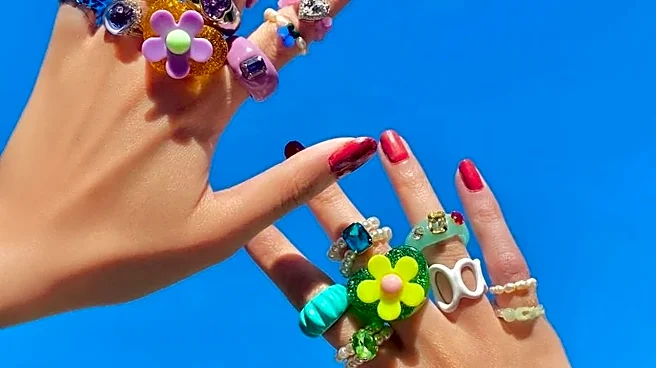
The bedazzling trend, characterized by the application of rhinestones and crystals to various items, is experiencing a significant resurgence, drawing heavily from early 2000s maximalism. This revival is marked by a colorful and playful excess, extending
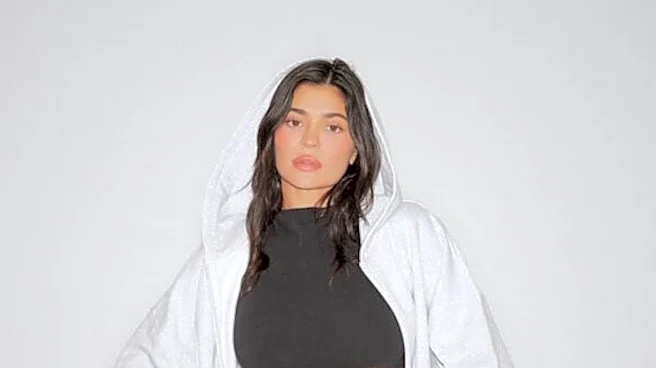
beyond traditional accessories to everyday objects like phone cases, coffee cups, and even face masks. Y2K icons such as Paris Hilton were instrumental in the initial bedazzling boom, frequently seen with rhinestone-encrusted accessories like Sidekicks and bandanas, which served as status symbols. The current wave, however, is less contained, with rhinestones appearing on runways, casual menswear, and NBA merchandise, indicating a broader, less gendered appeal. Social media platforms have accelerated this trend, with a single post by influencers like Kylie Jenner quickly translating into widespread adoption and creative interpretations by the public.
Why It's Important?
This trend signifies a cultural shift away from the minimalist aesthetic that has dominated recent years, reflecting a desire for playful excess and individuality. The bedazzling revival impacts the U.S. retail and fashion industries by creating demand for rhinestones, adhesive products, and customizable items. It also influences marketing strategies, as brands leverage social media and influencer culture to promote products that align with this aesthetic. The accessibility and affordability of bedazzling, requiring little more than sticker sheets and a surface, make it a democratic trend, allowing a wide range of consumers to participate. This DIY aspect fosters creativity and personal expression, offering a tactile and engaging activity in an increasingly digital and AI-driven world. The trend's broad appeal across different demographics, including menswear, suggests a significant market opportunity for diverse product lines.
What's Next?
The bedazzling trend is expected to continue its expansion, with more brands and individuals incorporating rhinestones into their products and personal styles. We may see an increase in DIY bedazzling kits and workshops, catering to the desire for hands-on creative activities. The trend's presence in high fashion and mainstream retail suggests it will evolve beyond a niche aesthetic, potentially influencing interior design, technology accessories, and even automotive customization. Social media will remain a primary driver, with new interpretations and applications of bedazzling constantly emerging. The challenge for brands will be to maintain the trend's appeal while avoiding oversaturation, possibly by introducing new materials, colors, or application techniques. The longevity of this trend will depend on its ability to adapt and integrate into various aspects of consumer culture.
Beyond the Headlines
Beyond its aesthetic appeal, the bedazzling trend reflects deeper societal sentiments. It can be seen as a form of escapism and a reaction against the perceived seriousness and uniformity of modern life. The embrace of 'tacky' and maximalist styles offers a playful rebellion against minimalist norms, allowing for self-expression and a sense of joy. The DIY nature of bedazzling also taps into a desire for tangible creation and personal agency in a world increasingly shaped by algorithms and mass production. This trend highlights the cyclical nature of fashion and culture, where past styles are reinterpreted through a contemporary lens, often amplified by digital platforms. It also underscores the power of social media to rapidly disseminate and democratize trends, making them accessible to a wider audience and fostering a sense of collective participation.