






What's Happening?
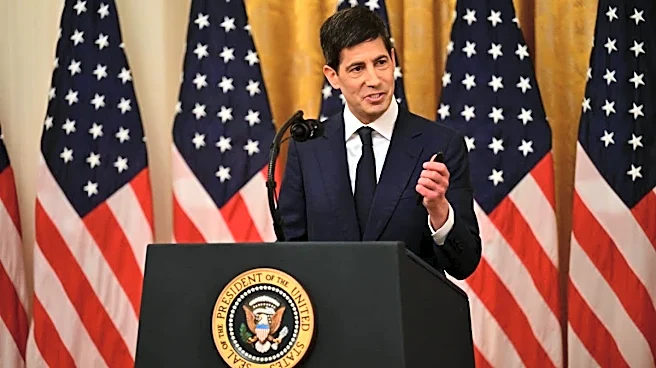
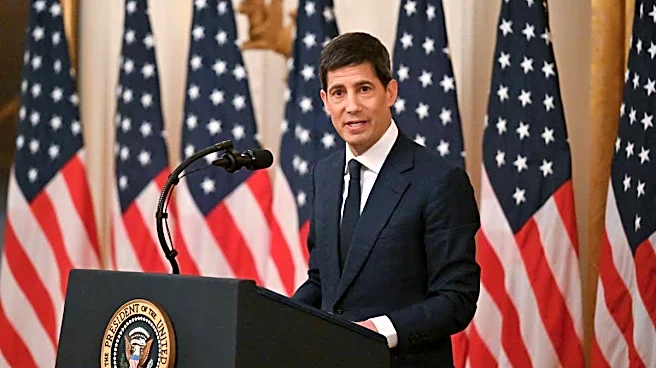
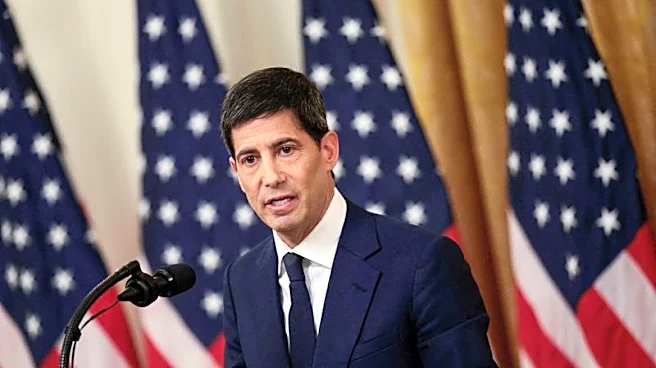
The U.S. dollar has eased slightly ahead of the Federal Reserve's first policy decision under new chair Kevin Warsh. Market optimism over an interim U.S.-Iran peace deal has reduced geopolitical risk, dampening demand for the safe-haven currency. The Federal Reserve is expected
to maintain interest rates at Warsh's debut meeting, with investors closely watching for any shift in policy language. The Bank of Japan recently raised rates to a 31-year high, but offered few clues on future hikes, leaving the yen vulnerable to intervention. The Reserve Bank of Australia held its cash rate steady, while the New Zealand dollar experienced a slight decline.
Why It's Important?
The Federal Reserve's policy decisions under Chair Warsh are crucial for global financial markets, influencing currency values and investor sentiment. The anticipated neutral stance on monetary policy could signal a shift in the Fed's approach to inflation risks, impacting economic stakeholders and financial markets. The U.S.-Iran peace deal's effect on reducing geopolitical tensions may further influence currency movements and risk appetite. The Bank of Japan's rate hike reflects a significant policy shift, affecting global currency dynamics and economic strategies. These developments highlight the interconnectedness of global economies and the importance of central bank policies in shaping financial landscapes.
What's Next?
Investors will be closely monitoring the Federal Reserve's statement and economic projections for indications of future policy directions. Chair Warsh's approach to steering the Fed will be scrutinized, with potential implications for inflation management and economic growth. The Bank of Japan's policy shift may lead to further rate adjustments, impacting currency stability and economic strategies. The Reserve Bank of Australia's stance on interest rates will be watched for potential changes in response to inflationary pressures. These central bank decisions will play a critical role in shaping global economic conditions and investor strategies.