



What's Happening?
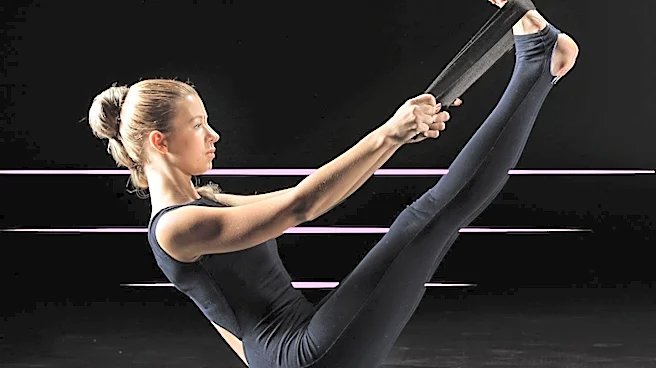
Pilates, a mind-body exercise method developed by Joseph H. Pilates over 90 years ago, focuses on stretching, strengthening, whole-body movement, and breath. This unique system emphasizes the integration of the body, mind, breath, and energy to promote
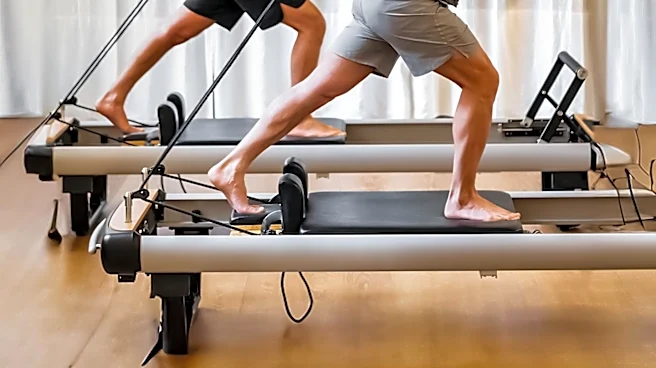
balance, flexibility, stability, and coordination. Pilates exercises can be performed on a mat or specialized equipment, utilizing spring resistance and pulleys to progress movements in a specific sequence. The method aims to develop long, lean muscle tone, improve body awareness, and create new pathways for better body mechanics and posture. It is also recognized for its benefits in increasing circulation, calming the nervous system, and toning organs, contributing to overall health and well-being. Many instructors are trained in methods like STOTT Pilates, which combines scientific understanding of movement with practical application.
Why It's Important?
The Pilates method offers significant benefits for individuals seeking improved physical and mental health. Its emphasis on core strength, flexibility, and stability can lead to better posture, reduced risk of injury, and relief from chronic pain. For athletes, Pilates serves as an excellent complement to sports, strengthening key areas like hips, knees, and ankles for running, improving golf swings, and enhancing overall performance and stamina. Beyond physical advantages, the method's focus on breath and mind-body connection contributes to stress relief and a calmer nervous system. The individualized approach, particularly when using specialized equipment, allows for tailored training that addresses specific needs, making it suitable for general conditioning, performance-specific training, injury prevention, and movement re-patterning across various age groups and fitness levels.
What's Next?
The continued evolution of Pilates, particularly methods like STOTT Pilates, suggests ongoing integration of scientific understanding of movement with practical application. This means that future developments in Pilates instruction and programming will likely incorporate new research on body mechanics and function. Educational workshops, such as those focusing on Pilates principles like breathing, concentration, and control, will continue to be offered to help individuals apply these concepts to their daily lives. The trend towards individualized training, as opposed to large group classes on equipment, is expected to persist, ensuring that participants receive personalized attention and reduce the risk of injury. This focus on tailored programs will likely lead to deeper, more personal experiences and greater results for clients.
Beyond the Headlines
The enduring popularity of Pilates highlights a broader societal shift towards holistic health and wellness, recognizing the interconnectedness of physical and mental well-being. The method's emphasis on breath as the foundation of movement and life underscores its deeper philosophical underpinnings, linking physical exercise to mental clarity and emotional regulation. Joseph Pilates' original intention, focusing on individualized training rather than superficial group workouts, speaks to a demand for quality and personalized care in fitness. This approach challenges the mass-market fitness model by prioritizing precise, controlled movements and mindful engagement over high-intensity, generalized workouts. The method's ability to re-pattern injurious habits and provide neuro-muscular education also points to its therapeutic potential, bridging the gap between exercise and rehabilitation.