


What's Happening?
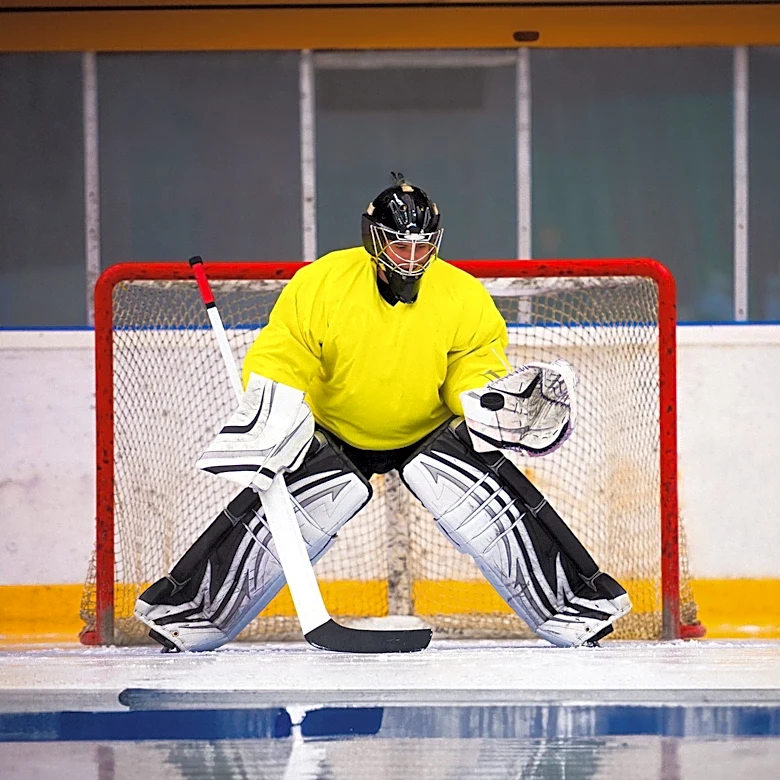
The International Ice Hockey Federation (IIHF) has decided to extend its ban on Russia from participating in select competitions for the 2026-27 season. This decision affects Russia's participation in the 2027 IIHF Men's Championship, Men's World Junior
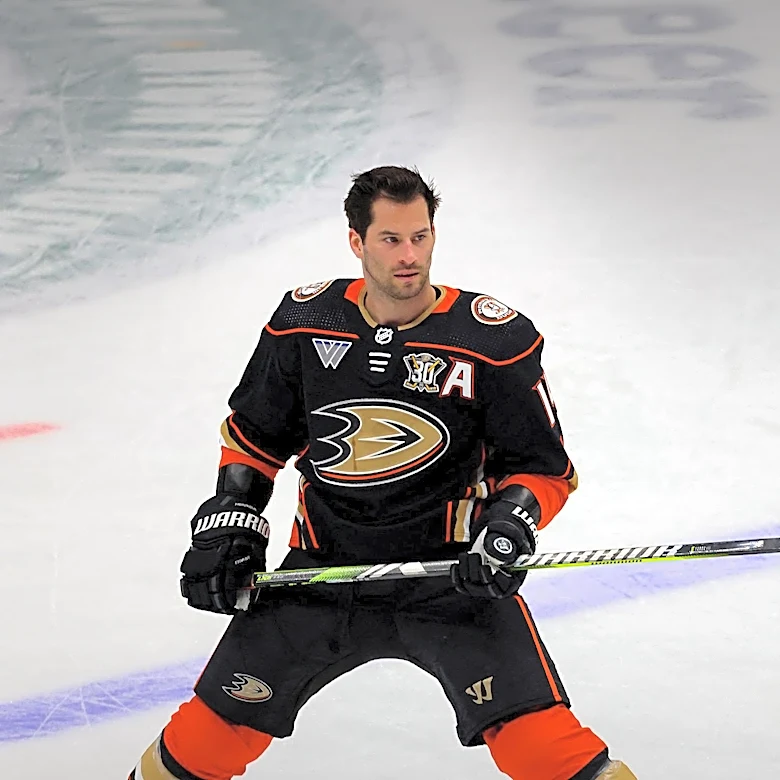
Championship, U18 Women's World Championship, and U18 Men's World Championship. The ban is attributed to ongoing safety, security, and sporting integrity concerns. The IIHF has maintained this stance since 2022, following Russia's invasion of Ukraine. Despite the IIHF Disciplinary Board's earlier annulment of the decision due to insufficient evidence, the ban was ultimately upheld. However, Russian athletes will be allowed to compete in the 2028 Summer Olympics, and Russian hockey players can participate in the upcoming NHL All-Star Game, which will feature a 'World' team including players from Russia.
Why It's Important?
The extension of the ban on Russia by the IIHF underscores the ongoing geopolitical tensions and their impact on international sports. This decision highlights the challenges faced by international sports organizations in balancing political issues with sporting events. The ban affects Russian athletes' opportunities to compete on the international stage, potentially impacting their careers and the development of the sport in Russia. It also reflects the broader international community's stance on Russia's actions in Ukraine, influencing diplomatic relations and international cooperation in sports. The decision may also affect the IIHF's relationships with other international sports bodies and sponsors, as they navigate the complex intersection of sports and politics.
What's Next?
The IIHF plans to review Russia's eligibility for the 2027 IIHF Women's World Championship in November 2026, indicating a case-by-case approach to the ban. This suggests that the IIHF is open to reassessing the situation based on future developments. The decision may prompt reactions from Russian sports authorities and athletes, who may seek to challenge or negotiate the terms of the ban. Additionally, the international sports community will likely continue to monitor the situation closely, as it could set precedents for how political conflicts are addressed in sports. The outcome of this situation may influence future policies and decisions by other sports organizations facing similar geopolitical challenges.