






What's Happening?
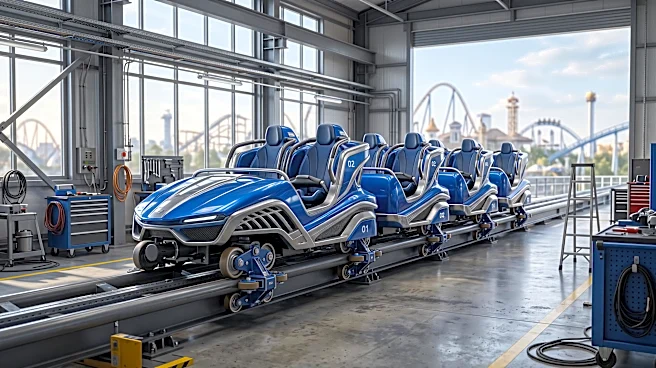
Six Flags Magic Mountain, in collaboration with coaster manufacturer Vekoma, has revealed the ride vehicle for its upcoming Thrill Glider coaster. This announcement was made during the 2026 IAAPA Expo in Orlando, Florida, an annual convention for theme
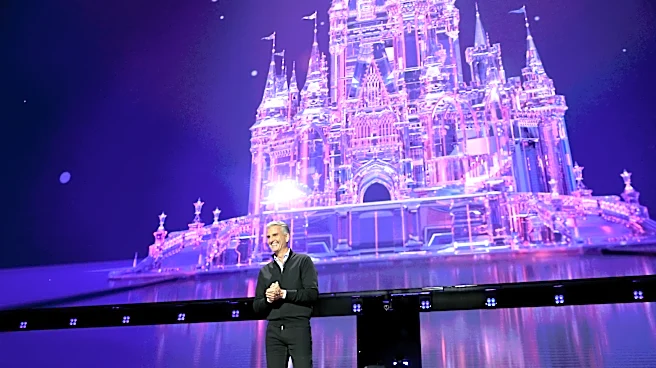
park industry professionals. The new attraction is slated to open in 2027. The reveal highlights ongoing efforts within the theme park industry to introduce new attractions and maintain visitor interest. While Disney reported record attendance and revenue, other parks like Six Flags and SeaWorld have faced challenges with attendance numbers, often attributed to a lack of consistent fresh attractions. The introduction of the Thrill Glider is part of Six Flags' strategy to enhance its offerings and draw more visitors. The IAAPA Expo served as a platform for various industry players to showcase future projects and innovations, indicating a forward-looking approach to attracting audiences in the coming years.
Why It's Important?
The introduction of new attractions like the Thrill Glider at Six Flags Magic Mountain is crucial for the competitive U.S. theme park industry. Companies like Six Flags are constantly seeking ways to attract and retain visitors in a market dominated by giants like Disney. While Disney benefits from strong intellectual property and substantial budgets, other parks must innovate with new ride experiences to remain relevant. Weak attendance numbers at parks like Six Flags and SeaWorld underscore the importance of continuous investment in fresh attractions. This new coaster could potentially boost attendance and revenue for Six Flags Magic Mountain, impacting its market position and financial performance. The broader industry trend, as seen at the IAAPA Expo, indicates a collective effort to develop compelling experiences for consumers, which can stimulate local economies through tourism and job creation.
What's Next?
The Thrill Glider coaster is scheduled to open in 2027, and its launch will be a key event for Six Flags Magic Mountain. Following its opening, the park will likely monitor attendance figures and visitor feedback to assess the ride's success and its impact on overall park performance. Other theme park operators, including competitors like SeaWorld and emerging destinations such as Mattel City, will continue to unveil and develop their own new attractions for 2027 and beyond. The industry will likely observe how these new offerings perform in the market, influencing future investment decisions and strategic planning. The focus will remain on creating novel experiences and maintaining attraction freshness to combat the challenges of fluctuating attendance and intense competition.
Beyond the Headlines
The unveiling of the Thrill Glider ride vehicle reflects a broader industry challenge: how to compete effectively against established leaders like Disney without comparable resources. While Disney focuses on consistent refurbishment and leveraging its vast intellectual property, parks like Six Flags often rely on high-thrill, novel attractions to draw crowds. This strategy highlights a divergence in approaches to theme park management and guest engagement. The long-term success of parks like Six Flags will depend not just on individual new rides, but on their ability to create a sustained cycle of innovation and guest experience improvements. This ongoing competition also drives technological advancements in ride manufacturing and park operations, benefiting the entire entertainment sector and offering diverse options for consumers.