





What's Happening?
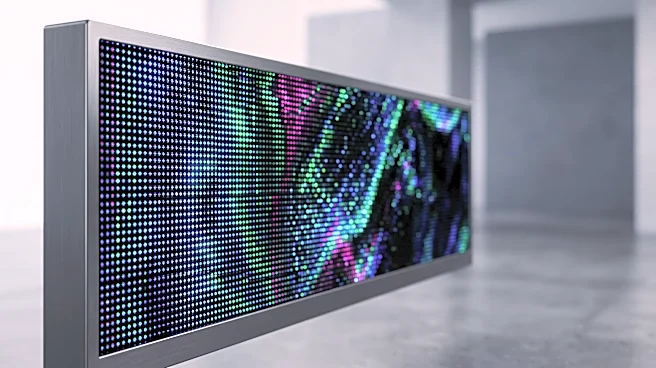
Intel is reportedly collaborating with Taiwanese display specialist AU Optronics (AUO) on a new approach to microLED panels. This partnership aims to make microLED display technology more mainstream and affordable, which is currently prohibitively expensive
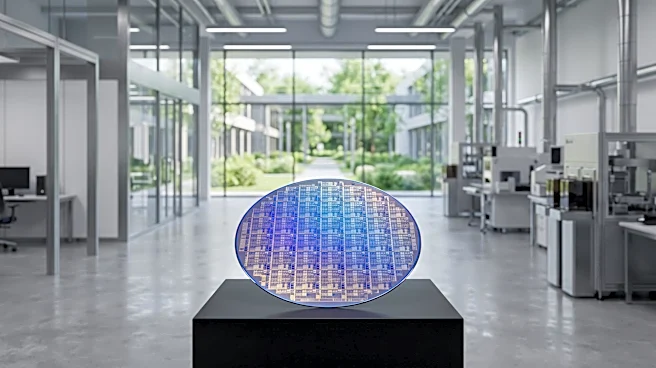
for consumer markets. The collaboration involves embedding at least part of a semiconductor chip within a glass substrate, a technique for which Intel has obtained a U.S. patent titled "IC Package with Micro LEDs." This integration of the display control chip directly into the microLED panel could offer significant packaging and cost advantages. AUO's chairman, Peng Shuanglang, has indicated that the company is expanding its range of microLED products this year to increase accessibility. MicroLED technology is considered the ultimate flat panel display, offering superior brightness, wider color range, and less degradation compared to OLED, but its high cost and large minimum panel sizes (currently around 100 inches for 4K) have limited its adoption.
Why It's Important?
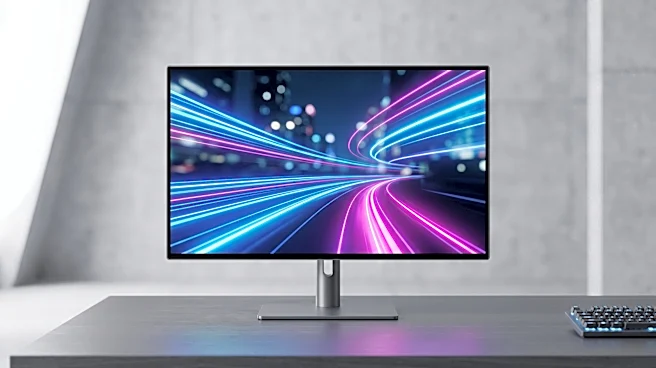
This collaboration is significant because it addresses the primary barriers to microLED adoption: cost and size. If Intel and AUO succeed in making microLED technology more affordable and suitable for smaller form factors like PC monitors, it could revolutionize the display industry. MicroLED offers superior visual performance compared to existing technologies like OLED, promising perfect lighting control, faster response times, and immunity to burn-in. Widespread adoption of microLED could lead to a new generation of high-quality displays for various applications, from consumer electronics to professional monitors. For Intel, this venture represents an expansion beyond its traditional CPU wheelhouse, potentially opening new revenue streams and diversifying its technological portfolio. The success of this initiative could also spur innovation across the display manufacturing ecosystem, benefiting consumers with better and more durable display options.
What's Next?
The immediate next steps involve continued research and development by Intel and AUO to refine the embedded chip technology and scale down manufacturing costs. AUO's increased focus on microLED products this year suggests that commercial applications may be closer than previously anticipated. While Intel's past ventures outside of CPUs have had mixed results, the potential for microLED to become a mainstream technology could provide a strong incentive for sustained investment. The industry will be watching for announcements regarding smaller, more affordable microLED panels, particularly for PC monitors, which would signal a major breakthrough. The long-term goal is to overcome the current challenges of high cost and pixel density to bring microLED displays to a broader consumer market, potentially transforming how we interact with digital content across various devices.
Beyond the Headlines
The push for more affordable microLED technology has broader implications for sustainability and user experience. MicroLED's resistance to degradation, unlike OLED, could lead to longer-lasting displays, reducing electronic waste and the frequency of device replacement. This aligns with growing consumer and industry demand for more sustainable technology. Furthermore, the superior visual quality of microLED could enhance immersive experiences in virtual reality, augmented reality, and high-fidelity gaming, pushing the boundaries of digital interaction. Intel's involvement also highlights the increasing convergence of different technology sectors, as semiconductor companies seek to integrate their expertise into new areas like display manufacturing. This cross-industry collaboration could foster unexpected innovations and accelerate the development of advanced technologies, ultimately shaping the future of digital interfaces and visual computing.