




What's Happening?
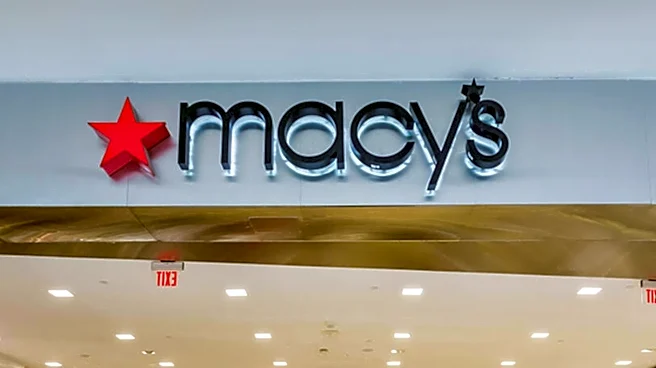
Macy's is confronting a potential legal dispute regarding advertising space at its flagship store in Manhattan. Kaufman Realty, which owns a portion of the building at Broadway and 34th Street, is installing new four-story digital billboards where Macy's iconic
shopping bag sign previously stood for 60 years. The Macy's sign was removed in July after the department store failed to reach an agreement with Kaufman Realty. Kaufman Realty is now actively seeking to lease this prominent advertising space to "big national companies," according to Meridian Retail Leasing President James Famularo. This situation echoes a 2021 lawsuit filed by Macy's against Kaufman when Amazon was reportedly poised to take over the billboard after Macy's lease expired. Macy's asserted in that lawsuit that "to the naked eye, the billboard is on Macy’s department store" and claimed a "restrictive covenant" prohibited a competitor from advertising at 1313 Broadway. Kaufman Realty, however, maintained its right to license the sign space to any off-site advertisers without restrictions. Amazon ultimately did not advertise on the billboard.
Why It's Important?
This development is significant for Macy's as it directly impacts the brand's visibility and control over its most iconic location. The potential for a rival retail brand to advertise directly in front of Macy's Herald Square flagship could dilute Macy's brand presence and create an awkward competitive dynamic. The corner location at Broadway and 34th Street is highly coveted, attracting over 240,000 pedestrians daily, making it a prime advertising spot. Losing control over this space could diminish Macy's ability to project its desired image and message to a massive audience. Furthermore, the ongoing legal contention highlights broader issues of property rights and advertising control in high-value urban real estate. For Kaufman Realty, securing a high-profile tenant for the new digital billboards represents a significant revenue opportunity, with the small retail space at the base of 1313 Broadway also available for the first time in over 30 years, commanding an asking price of $2.2 million per year.
What's Next?
Macy's is expected to continue its efforts to protect its brand image and potentially pursue legal avenues to prevent a competitor from advertising on the newly installed digital billboards. While Macy's declined to comment on the latest developments, a spokesperson stated the retailer is "always actively looking for opportunities that promote the Herald Square flagship to New Yorkers, and tourists around the globe." Kaufman Realty will likely proceed with its plans to secure a national company to advertise on the billboards, potentially leading to renewed legal challenges from Macy's based on its previous claims of a restrictive covenant. The outcome of these negotiations and potential legal actions will determine who ultimately controls the highly visible advertising space and could set a precedent for similar disputes in prime commercial locations. The leasing of the retail space at 1313 Broadway, previously occupied by Sunglass Hut, is also a key next step for Kaufman Realty.
Beyond the Headlines
Beyond the immediate legal and advertising implications, this situation underscores the evolving landscape of urban commercial real estate and brand identity. The removal of a long-standing iconic sign and its potential replacement by a competitor's advertisement reflects a shift in how physical spaces are utilized for commercial messaging. It also highlights the increasing value of prime advertising real estate in densely populated areas and the lengths to which companies will go to secure or defend such visibility. The dispute touches upon the interpretation of property agreements and restrictive covenants, which could have broader implications for businesses operating in shared or complex real estate arrangements. The outcome could influence how brands approach their physical presence and advertising strategies in high-traffic urban centers, emphasizing the need for clear and comprehensive agreements regarding signage and promotional rights.