


What's Happening?
A growing trend in wellness travel involves incorporating art classes into itineraries, with resorts increasingly offering creative activities to enhance mental well-being. This movement is gaining traction as physicians in countries like the United Kingdom
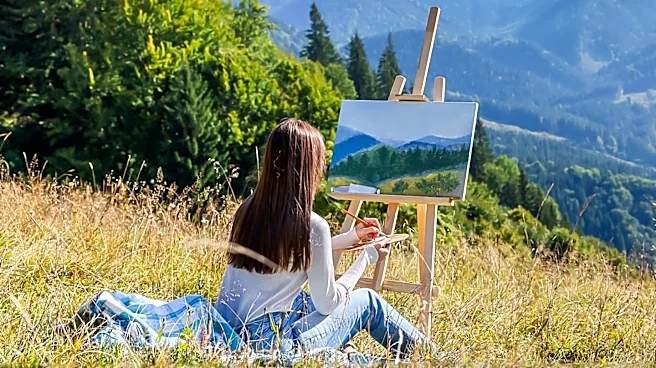
and Switzerland are prescribing hands-on classes and museum trips to help patients improve their mental health. While true art therapy involves a therapeutic relationship with a certified art therapist, even simple analog art experiences can offer significant benefits. Resorts like Mii Amo provide activities such as watercolor art, chalk painting, candle-making, wheel-thrown pottery, and jewelry-making. These experiences are designed to be both creative and meditative, with options for guided outdoor drawing. Other establishments, such as Alila Ventana Big Sur, offer soap crafting with natural ingredients, anthotype printing using foraged plants, and trailside watercolor classes. Hotels like the Fairmont Orchid combine cultural immersion with art, offering Kui Lei-making, traditional bamboo stamp printing, and coconut frond weaving. The goal of these offerings is to quiet the mind, overcome self-doubt, and focus on the process of creation rather than the outcome, providing a healing and grounding outlet.
Why It's Important?
The integration of art classes into wellness travel signifies a broader recognition of the profound connection between creative expression and mental health. This trend is important because it moves beyond traditional physical wellness activities, acknowledging the holistic nature of well-being that includes emotional and psychological health. For the tourism and hospitality industry, it represents an evolution in offerings, attracting a demographic seeking enriching and therapeutic experiences rather than just relaxation. This shift can lead to new revenue streams and specialized niche markets within the travel sector. For individuals, it provides accessible avenues for stress reduction, mindfulness, and self-discovery, potentially reducing reliance on more conventional therapeutic interventions. The emphasis on process over outcome in these art experiences can also foster a healthier relationship with creativity, encouraging experimentation and reducing performance anxiety, which has broader implications for educational and personal development contexts.
What's Next?
The trend of incorporating art into wellness travel is likely to expand, with more resorts and travel destinations developing similar programs. We can expect to see an increase in specialized retreats focusing on various art forms, potentially including music, writing, and performance arts, all framed within a wellness context. There may also be a rise in collaborations between wellness resorts and certified art therapists to offer more structured and clinically-backed art therapy programs. As the benefits of creative expression for mental health become more widely recognized, there could be a push for these types of activities to be integrated into broader healthcare and corporate wellness initiatives. This could lead to a greater emphasis on accessible art programs in communities and workplaces, further blurring the lines between leisure, therapy, and personal development. The success of these programs will likely be measured not just by guest satisfaction but also by reported improvements in mental clarity, stress reduction, and overall well-being.
Beyond the Headlines
The rise of art classes in wellness travel points to a deeper societal yearning for authentic engagement and a respite from the digital world. In an era dominated by screens and instant gratification, hands-on creative activities offer a tangible, meditative experience that fosters presence and introspection. This trend challenges the utilitarian view of art, repositioning it as a vital tool for self-care and personal growth, rather than solely for aesthetic appreciation or professional pursuit. Ethically, it raises questions about accessibility: while luxury resorts offer these experiences, there's a growing need to make similar therapeutic art opportunities available to broader populations, regardless of socioeconomic status. Culturally, it signifies a return to valuing craftsmanship and the intrinsic human need to create, suggesting a potential shift away from purely consumption-driven leisure towards more participatory and enriching activities. This movement could ultimately contribute to a more balanced and creatively engaged society.