





What's Happening?
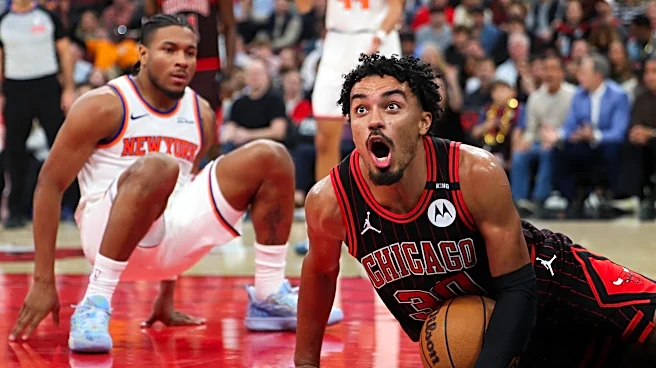
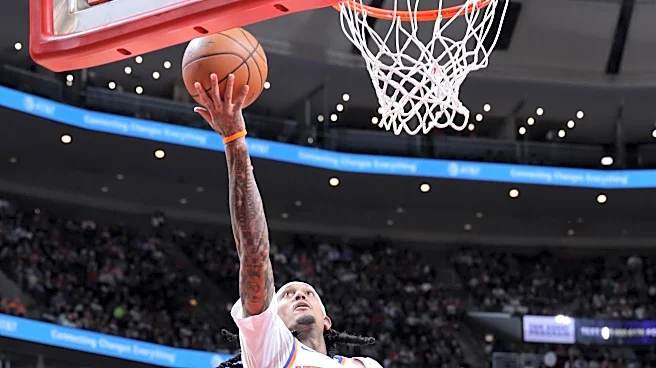
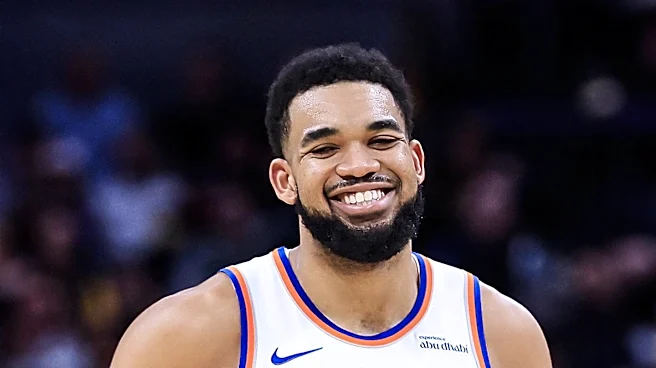
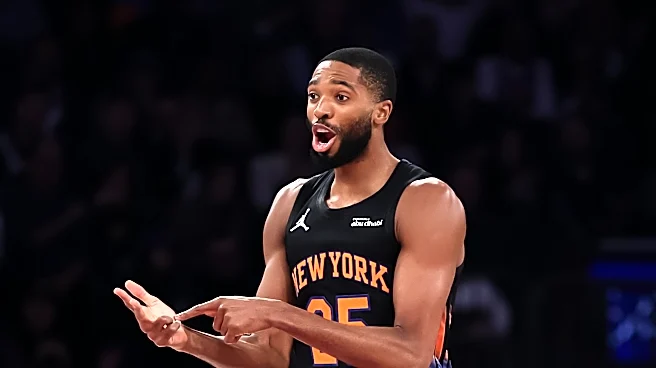
Karl-Anthony Towns, a prominent player for the New York Knicks, has indicated his willingness to accept a contract extension below the maximum amount, but not at the level reportedly offered by the team. According to ESPN's Shams Charania, the Knicks offered Towns a four-year,
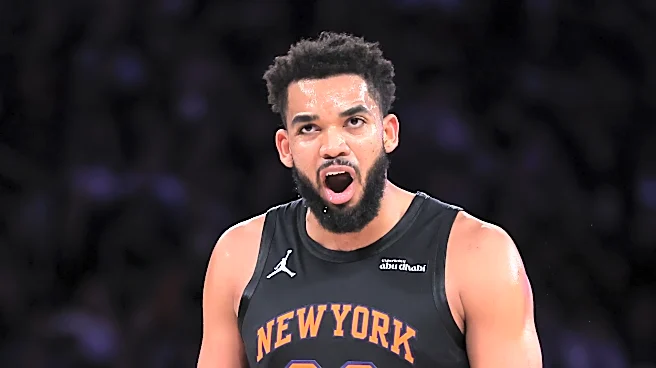
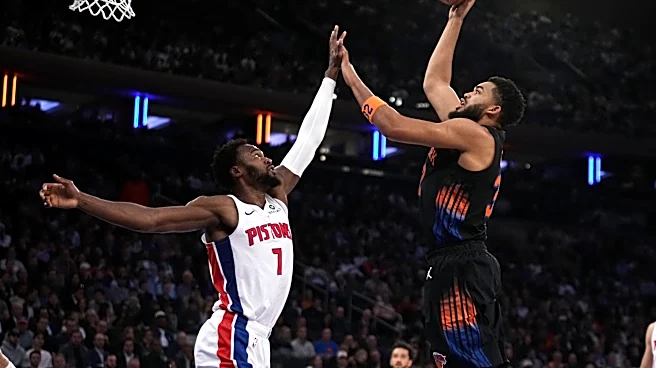
$200 million extension, which is $76 million less than the four-year, $276 million maximum he is eligible to receive. Towns is currently earning approximately $57 million this season and has a player option for $61 million in the 2027-28 season. He publicly expressed his desire to balance the franchise's championship aspirations with his own value during training camp, stating that he wants a deal that keeps the team together and values him. The Knicks subsequently paused extension negotiations with Towns, as well as Josh Hart, Miles McBride, and Tyler Kolek, to avoid distractions during their championship defense. Despite the stalled negotiations, Towns has been performing strongly on the court, averaging 21.8 points, 13.8 rebounds, and 3.2 assists through five games, including a 27-point, 20-rebound performance against the Detroit Pistons.
Why It's Important?
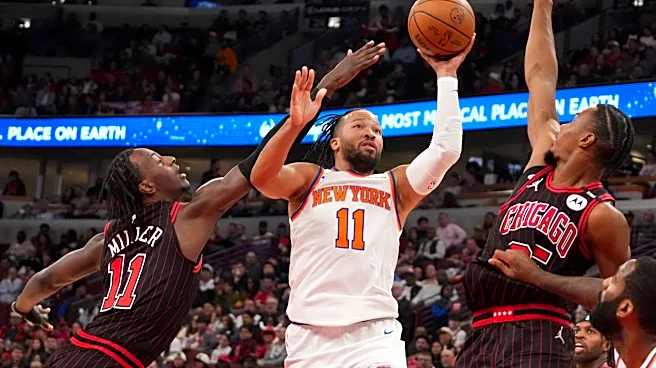
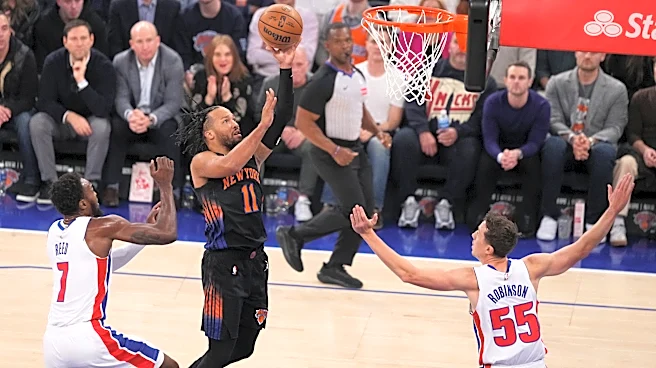
This contract dispute highlights a significant challenge for the New York Knicks in managing their salary cap and retaining key talent while pursuing championship ambitions. Karl-Anthony Towns is a crucial offensive asset, having averaged 20.1 points, 11.9 rebounds, and 3 assists last season. Losing a player of his caliber, whether through trade or free agency, would significantly impact the team's competitive standing and fan engagement. The situation also sets a precedent for future player negotiations, as the team attempts to balance individual player value with overall team financial flexibility, especially with Jalen Brunson becoming extension-eligible next season. The gap between Towns' perceived value and the team's offer could lead to prolonged negotiations, creating uncertainty for both the player and the franchise. The outcome will influence the Knicks' ability to maintain their current roster and attract future talent, directly affecting their long-term success in the highly competitive NBA.
What's Next?
Negotiations between Karl-Anthony Towns and the New York Knicks are currently on hold, with both sides reportedly focusing on the current NBA season and the team's defense of its championship. However, the issue is expected to resurface as the season progresses, particularly as Towns continues to deliver strong on-court performances. The Knicks will need to re-evaluate their offer to find a middle ground that satisfies Towns' financial expectations while maintaining the team's salary cap flexibility. The team's performance throughout the season could also influence the urgency and terms of a potential agreement. If no resolution is reached, the Knicks might face difficult decisions regarding Towns' future, including the possibility of trading him or allowing him to explore other options, which would have significant implications for the team's roster construction and championship aspirations in the coming seasons.
Beyond the Headlines
The situation with Karl-Anthony Towns and the Knicks extends beyond a simple contract negotiation; it reflects the broader economic realities and strategic dilemmas faced by NBA franchises in the modern era. The 'second apron' climate, as mentioned by an anonymous NBA executive, imposes stricter financial penalties on teams exceeding certain salary thresholds, forcing difficult choices about player compensation. This creates a tension between rewarding star players for their performance and maintaining the financial flexibility needed to build a sustainable championship contender. The willingness of a star player like Towns to take a 'sizable discount' but not a 'pay cut' from his current salary underscores the complex interplay of individual market value, team loyalty, and the desire for competitive success. This dynamic could influence how other star players approach their contract negotiations, potentially shifting expectations around 'team-friendly' deals in the league.