






What's Happening?
4basebio PLC, a specialist in enzymatically-produced, cell-free DNA, and Genezen, a viral vector contract development and manufacturing organization (CDMO), have announced an expanded, non-exclusive strategic collaboration. This partnership aims to advance
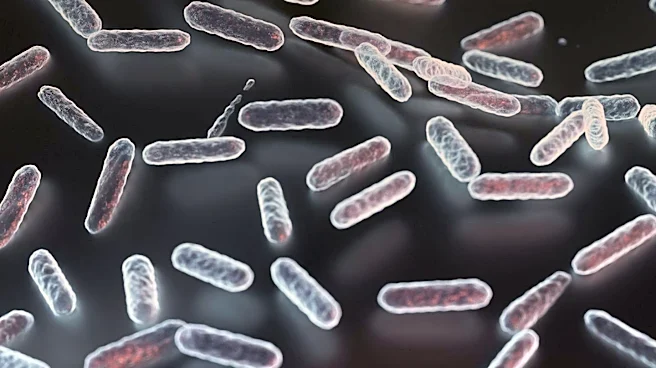
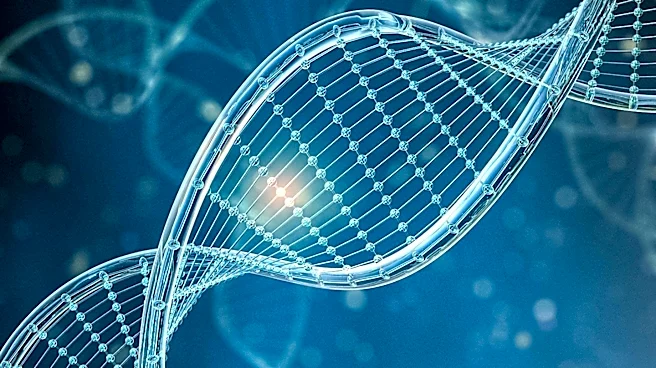
synthetic, cell-free DNA platforms for next-generation viral vector manufacturing, providing drug developers with access to 4basebio’s Research Use Only, High-Quality, and GMP-grade hpDNA® for their development and clinical programs. Genezen will now offer 4basebio’s synthetic DNA, specifically designed for viral vector applications, to streamline the path for cell and gene therapy developers to advance their programs towards clinical stages. 4basebio’s enzymatic, cell-free DNA manufacturing process eliminates bacterial backbone sequences and antibiotic resistance genes, which are typically found in plasmid DNA. This method has shown comparable titers to plasmid DNA in AAV production while requiring approximately 30% less DNA mass and transfection reagent, leading to reduced material costs and enhanced process efficiency and scalability. Furthermore, the cell-free manufacturing approach can significantly shorten DNA production timelines compared to traditional plasmid manufacturing.
Why It's Important?
This collaboration is important for the advancement of cell and gene therapies, particularly in the U.S. biotechnology and pharmaceutical sectors. The demand for efficient, scalable, and cost-effective manufacturing solutions for viral vectors is critical as these therapies move from early development to clinical and commercial stages. By offering synthetic, cell-free DNA, the partnership addresses several key challenges in viral vector manufacturing, including the elimination of bacterial components and antibiotic resistance genes, which can be a regulatory concern. The reduced material requirements and shorter production timelines offered by 4basebio’s technology can significantly lower development costs and accelerate the pace at which new gene therapies reach patients. This innovation supports the broader goal of making advanced genetic medicines more accessible and affordable, benefiting patients with various diseases. The collaboration also highlights a growing trend towards specialized partnerships that combine unique technological expertise with manufacturing capabilities to optimize the development pipeline for complex biological products.
What's Next?
The collaboration will enable drug developers to access 4basebio’s synthetic DNA through Genezen, facilitating a more streamlined and efficient process for advancing cell and gene therapy programs. This integration of innovative DNA technology with established viral vector manufacturing expertise is expected to support gene therapy programs from early development through clinical and commercial manufacturing. Both companies anticipate that this partnership will help developers build more efficient and scalable manufacturing strategies from the outset. The focus will remain on accelerating the development of therapies for patients by providing a robust manufacturing platform. As the cell and gene therapy field continues to mature, the demand for such advanced manufacturing solutions is likely to grow, potentially leading to further innovations and collaborations in the sector. The success of this partnership could also influence regulatory bodies to consider the benefits of cell-free DNA in future guidelines for genetic medicine manufacturing.
Beyond the Headlines
The shift towards synthetic, cell-free DNA in viral vector manufacturing has deeper implications for the future of genetic medicine. Beyond the immediate benefits of efficiency and cost reduction, this technology could mitigate potential risks associated with traditional plasmid DNA, such as the presence of antibiotic resistance genes, which is a growing public health concern. This innovation could also democratize access to gene therapy development by simplifying the manufacturing process and reducing the barrier to entry for smaller biotech firms. Ethically, the use of cell-free DNA could enhance the safety profile of gene therapies, addressing concerns about unintended genetic modifications or immune responses. Legally, the intellectual property surrounding these advanced manufacturing processes will be crucial for competitive advantage and could lead to new patent landscapes in biotechnology. Culturally, the increasing sophistication of genetic engineering tools, exemplified by this collaboration, reinforces the transformative potential of biotechnology to reshape healthcare and human well-being, pushing the boundaries of what is medically possible.