
What's Happening?
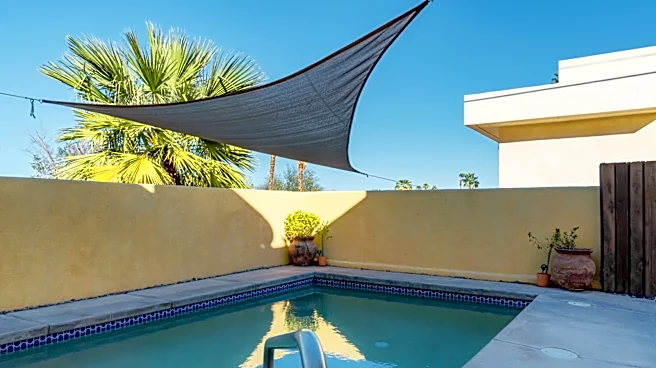
For individuals seeking to optimize their patio space, various alternatives to shade sails are available to provide consistent and reliable shade. While shade sails offer a quick solution, they can be prone to fiddly installation, ripping, or damage in windy
conditions. Recommended alternatives include patio umbrellas for quick installation and low upfront costs, and pop-up gazebos for more space and elegance. For permanent fixtures, options such as traditional or modern pergolas, hardtop gazebos, and retractable awnings are suggested. Modern pergolas, with their adjustable or louvered slats, offer better rain protection compared to traditional pergolas with fixed slats. A more involved option is a roof extension. Additionally, planting a shade tree is presented as a natural and long-term solution, though it requires careful selection and proper placement, typically at least 20 feet from the house to account for its full-grown size and energy savings.
Why It's Important?
The availability of diverse patio shading solutions is important for homeowners looking to enhance their outdoor living spaces, particularly in regions with intense sun or unpredictable weather. By offering alternatives to shade sails, consumers can choose options that better suit their specific needs for durability, aesthetics, and functionality. This impacts the home improvement and outdoor living industries, driving demand for various products like pergolas, gazebos, awnings, and even specific tree species. The emphasis on permanent structures like modern pergolas and roof extensions suggests a trend towards more integrated and long-lasting outdoor solutions, potentially increasing property value and extending the usability of outdoor areas. Furthermore, the inclusion of shade trees as an option highlights a growing interest in sustainable and natural landscaping solutions, promoting environmental benefits alongside personal comfort.
What's Next?
Homeowners considering these alternatives will need to assess their specific patio needs, budget, and aesthetic preferences. The next steps involve researching the various options, potentially consulting with landscape designers or contractors for permanent structures like pergolas or roof extensions. For those opting for shade trees, careful selection of species suitable for their climate and soil conditions, along with proper planting and long-term care, will be crucial. Retailers in the home and garden sector can anticipate continued demand for these shading solutions, potentially leading to new product developments and marketing strategies. The decision-making process will likely involve balancing initial cost with long-term benefits, maintenance requirements, and the desired level of weather protection.
Beyond the Headlines
The discussion of patio shading alternatives reflects a broader cultural shift towards valuing and investing in outdoor living spaces as extensions of the home. This trend is driven by a desire for comfort, entertainment, and connection with nature, even within urban or suburban environments. The move away from temporary solutions like shade sails towards more durable and integrated options like pergolas and roof extensions suggests a long-term commitment to outdoor living. Ethically, the choice of planting shade trees aligns with environmental consciousness, promoting biodiversity and contributing to urban cooling and air quality. This also touches upon architectural and design trends, where outdoor spaces are increasingly being designed with the same level of consideration as indoor rooms, blurring the lines between interior and exterior living and influencing residential property development.