





What's Happening?
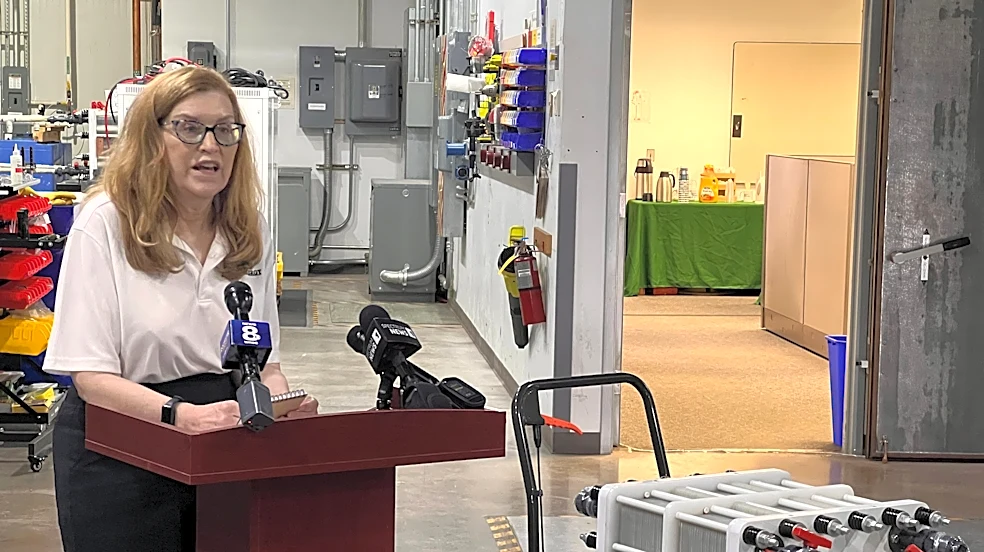
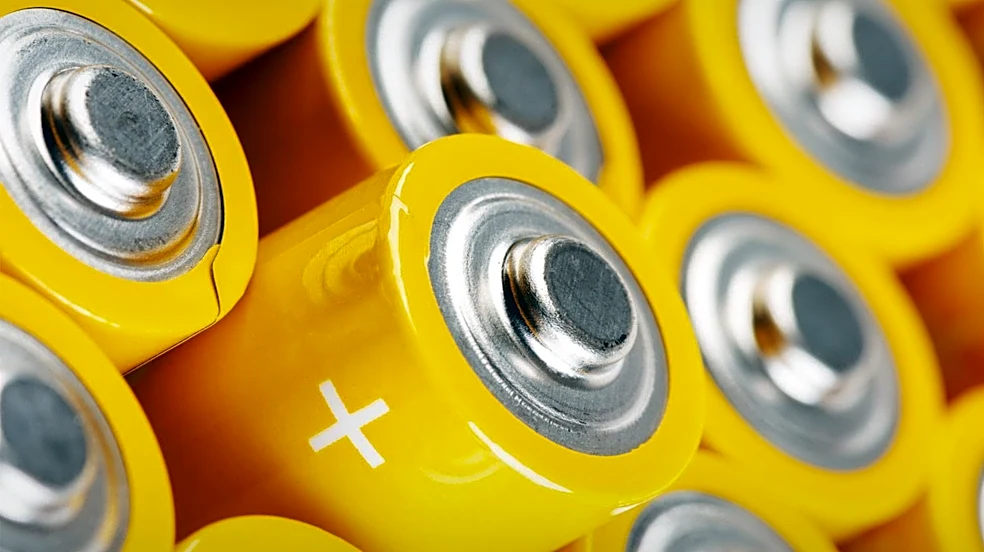
CrossBoundary’s Mini-Grid Innovation Lab, in collaboration with Soleil Power, has developed and tested a baseline diagnostic protocol for second-life battery cells. This initiative aims to standardize the assessment of used lithium-ion batteries, which
retain 70-80% of their original capacity after their first life in electric vehicles and other applications. The current industry landscape sees varied testing procedures, thresholds, and sorting criteria among second-life battery manufacturers, making it challenging to establish common quality and certification requirements. The new protocol maps existing industry practices, identifies core tests for battery health and performance, and evaluates rapid diagnostic technologies to reduce testing time and cost. The study hypothesizes that standardized testing could significantly reduce pack-level failures due to faulty cells by 40-50% and decrease testing and certification costs by 20%. This development is crucial as the volume of lithium-ion batteries reaching the end of their first life continues to grow, presenting an opportunity for repurposing them into stationary energy storage solutions.
Why It's Important?
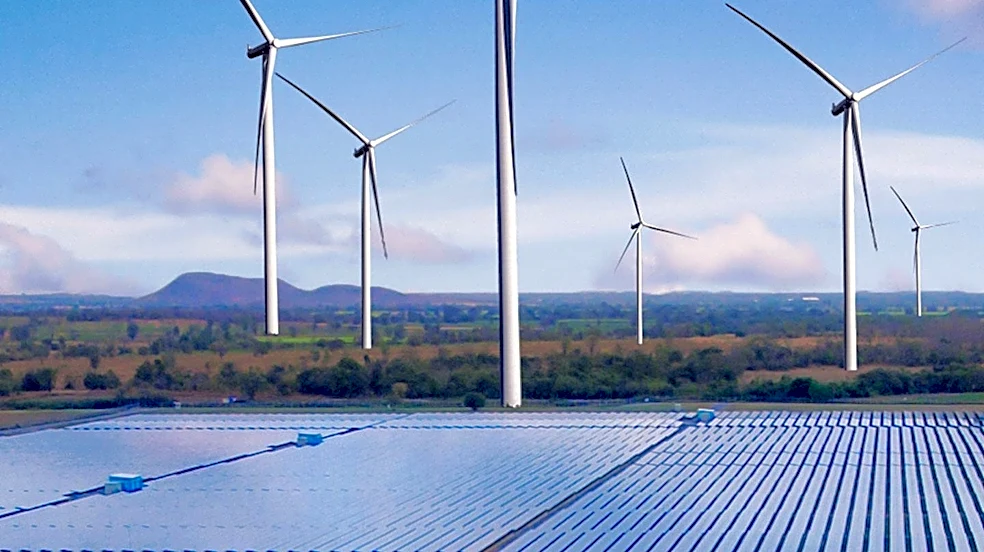
The standardization of second-life battery testing is vital for the U.S. and global energy sectors, particularly in fostering a circular economy for batteries. By extending the useful life of lithium-ion batteries, this protocol can reduce overall battery costs and support more sustainable battery value chains. For the U.S., this could mean a more affordable and accessible energy storage market, which is critical for integrating renewable energy sources like solar and wind into the grid. Reduced costs and increased reliability of second-life batteries can accelerate the deployment of stationary energy storage, enhancing grid stability and resilience. Furthermore, it can mitigate the environmental impact of battery disposal and reduce the demand for new raw materials, aligning with broader sustainability goals. The ability to consistently and cost-effectively determine the safety and suitability of these batteries for reuse is a key factor in scaling their adoption across various applications, from residential backup power to larger grid-scale projects.
What's Next?
The Innovation Lab and Soleil Power plan to finalize the proposed baseline testing protocol and continue long-duration pack testing and validation of rapid diagnostic technologies like Multi-channel, Multi-frequency Electrical Excitation Response (MMER). The findings from this work will be used to engage with national standards bodies, such as the Kenya Bureau of Standards (KEBS) and the Uganda National Bureau of Standards (UNBS), to develop appropriate second-life battery testing and certification standards. The goal is to build a pathway towards regional harmonization of these standards, potentially through organizations like the East African Community (EAC), with support from UNEP for regional engagement and the establishment of regional testing facilities. This collaborative approach aims to reduce duplication for manufacturers operating across multiple markets and ensure that second-life batteries can be safely and reliably integrated into various energy systems globally, including potential future adoption of these standards in the U.S. market.
Beyond the Headlines
Beyond the immediate economic and environmental benefits, the development of standardized testing for second-life batteries has deeper implications for the U.S. and international markets. It addresses the ethical challenge of electronic waste and resource depletion by promoting reuse over disposal. This shift could also spur innovation in battery diagnostics and repurposing technologies, creating new industries and job opportunities. The establishment of clear standards can build consumer and industry confidence in second-life battery products, which is essential for their widespread adoption. Furthermore, it highlights the evolving nature of product lifecycle management, where manufacturers may need to consider the 'second life' of their products from the design phase. This could lead to more robust and modular battery designs that are easier to test, sort, and repurpose, ultimately contributing to a more resilient and sustainable energy infrastructure.