






What's Happening?
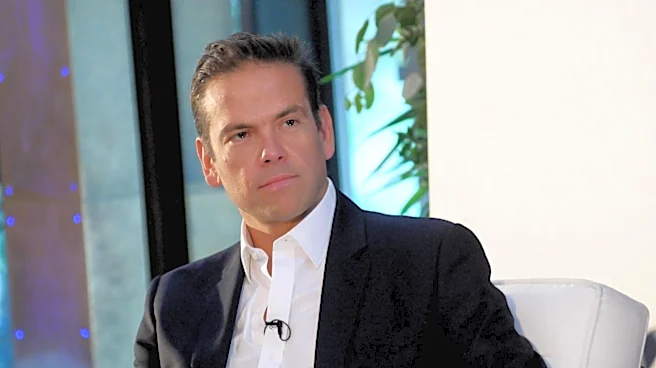
Fox Corporation CEO Lachlan Murdoch has stated that the company will maintain a 'disciplined' approach in its pursuit of broadcasting rights for the upcoming two FIFA World Cup tournaments. This strategy aligns with how Fox approaches all sports rights acquisitions.
FIFA has expressed a preference for a single partner to bundle both English and Spanish-language rights, though it is not a strict requirement. Murdoch did not specify whether Fox would seek both language rights. Fox Sports president/EP Brad Zager had previously indicated the company's strong interest in broadcasting the 2030 FIFA World Cup. Fox Corporation has held exclusive U.S. English-language rights for all FIFA World Cups and Women’s World Cups since 2015, while NBCUniversal's Telemundo has handled Spanish-language broadcasts. The company reported a significant financial quarter, with revenue reaching $4.6 billion, a 22% year-over-year increase, and EBITDA at $1.6 billion, up 54% year-over-year. This growth was partly attributed to the North American-based 2026 World Cup, which saw Fox's advertising revenue rise by 47%. The company aired approximately two-thirds of the expanded 104-match schedule on broadcast television, an increase from just over half in 2022. Fox is also in the process of acquiring Roku in a $22 billion deal.
Why It's Important?
Fox Corporation's strategic approach to acquiring major sports broadcasting rights, particularly for events like the FIFA World Cup, has significant implications for the U.S. sports media landscape. By emphasizing a 'disciplined manner,' Fox aims to balance the high costs of these rights with their potential for revenue generation and subscriber growth. The preference by FIFA for a single partner for both English and Spanish-language rights could reshape how major sporting events are broadcast in the U.S., potentially leading to more consolidated coverage or new partnerships among media companies. Fox's strong financial performance, partly driven by the World Cup, underscores the continued value of live sports content in attracting advertising revenue and subscribers, especially in an evolving media environment where cord-cutting is prevalent. The company's focus on attracting new subscribers who do not have traditional cable subscriptions, as evidenced by 97% of new Fox One subscribers being cord-cutters, highlights a broader industry trend towards direct-to-consumer models and streaming services. This strategy is crucial for media conglomerates looking to maintain relevance and profitability in a competitive market.
What's Next?
Fox Corporation will continue to evaluate its bid for the upcoming FIFA World Cup rights, likely weighing the financial investment against the potential for audience reach and advertising revenue. The ongoing acquisition of Roku for $22 billion suggests a strategic move to strengthen its streaming capabilities and direct-to-consumer offerings, which could influence how future sports content is distributed. The company's emphasis on attracting non-cable subscribers to platforms like Fox One indicates a continued shift towards digital distribution models. Competitors, including NBCUniversal, will also be assessing their interest in World Cup rights, potentially leading to a competitive bidding process that could drive up costs. The broader sports media industry is expected to see 'some rationalization of portfolios,' as projected by Versant CEO Mark Lazarus, meaning companies will likely become more selective about the sports rights they pursue. This could lead to a more focused approach from major broadcasters, with an emphasis on properties that best serve their distribution and advertiser needs. The outcome of these rights negotiations will shape the viewing experience for U.S. audiences for major international sporting events in the coming years.
Beyond the Headlines
The strategic decisions made by Fox Corporation regarding FIFA World Cup rights extend beyond immediate financial gains, touching upon broader trends in media consumption and content ownership. The potential for a single entity to hold both English and Spanish-language rights could lead to more integrated marketing and cross-promotional opportunities, but also raises questions about market concentration and diversity of coverage. As media companies increasingly target cord-cutters, the battle for premium live sports content becomes even more critical, as it serves as a key differentiator in a crowded streaming market. The reported 97% of new Fox One subscribers being non-cable users highlights a significant demographic shift, forcing traditional broadcasters to adapt their business models. This shift also brings into focus the ethical considerations of content accessibility and affordability for diverse audiences, especially as exclusive rights deals can limit viewing options. The long-term implications include a potential restructuring of how sports leagues and federations negotiate media rights, possibly favoring partners who can offer comprehensive, multi-platform distribution to maximize reach and revenue in a fragmented media landscape.