



What's Happening?
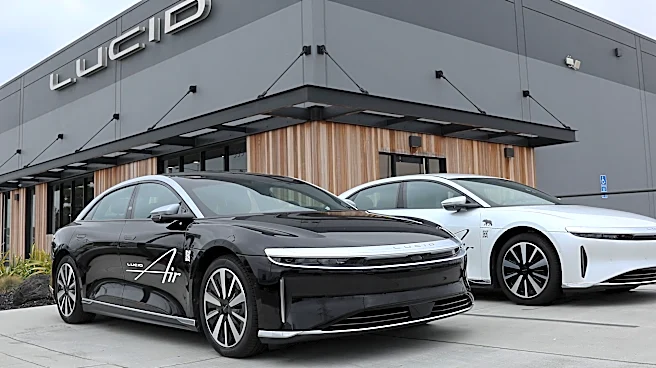
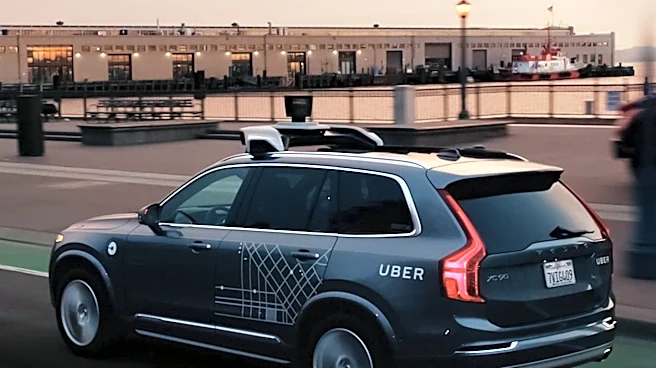
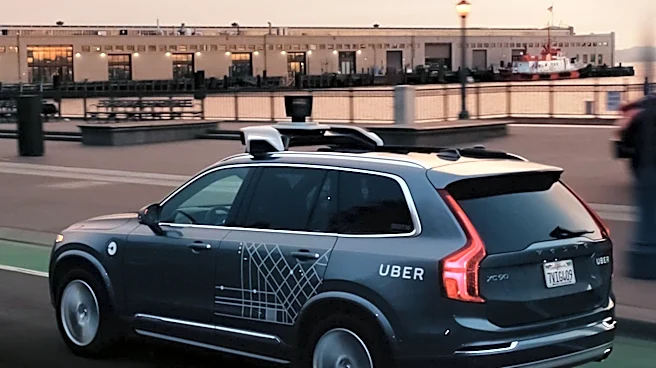
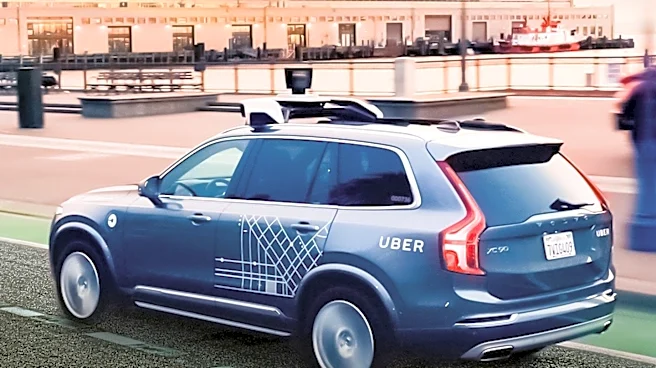
Uber, Nuro, and Lucid have initiated fully driverless testing of Lucid Gravity robotaxis on public roads across four South Bay cities: Palo Alto, Mountain View, Los Altos, and Sunnyvale. This marks the first time these vehicles are operating without human
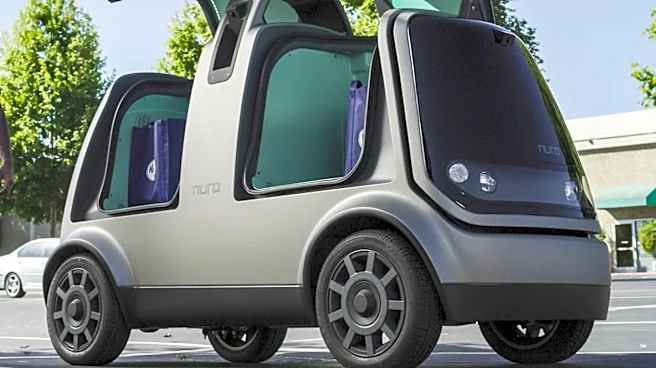
safety drivers, in preparation for a commercial launch slated for the first quarter of 2027. The partners secured a California DMV Driverless Testing Permit in May 2026, following supervised tests in the Bay Area since December 2025. Uber employees are currently the first passengers in these driverless rides. Uber has committed approximately $500 million each to Lucid and Nuro and plans to purchase at least 35,000 Lucid vehicles equipped with Nuro's autonomous system. Nuro licenses its end-to-end driving software to Lucid, which designs the in-cabin experience and provides rider support, with passengers summoning cars via the Uber app.
Why It's Important?
This development signifies a major step forward in the commercialization of autonomous vehicle technology and Uber's strategy to dominate the robotaxi market. By deploying fully driverless vehicles, the partnership aims to reduce operational costs, potentially leading to more affordable and efficient ride-hailing services. The collaboration between Uber, Nuro, and Lucid represents a significant investment in a multi-partner approach, contrasting with companies that develop their own end-to-end solutions. This strategy allows Uber to leverage specialized expertise from different companies, potentially accelerating deployment and scaling. The success of these tests and the subsequent launch could reshape urban transportation, offering new mobility options and potentially reducing traffic congestion and vehicle ownership in cities. It also intensifies competition in the rapidly evolving autonomous vehicle sector, pushing other players to accelerate their own deployment timelines.
What's Next?
The immediate next steps involve continued rigorous testing and refinement of the driverless Lucid Gravity robotaxis in the designated South Bay cities. The partners will focus on gathering data, improving the autonomous system's performance, and ensuring safety and reliability ahead of the planned Q1 2027 commercial launch. Uber will likely expand its network of autonomous vehicle partners, aiming for at least 2,000 driverless vehicles on its platform by the end of next year, as it seeks to challenge Waymo's market lead. Regulatory approvals and public acceptance will also be critical factors influencing the pace of expansion. The initial commercial launch will likely be a phased rollout, starting in limited areas before gradually expanding to more cities, contingent on operational success and regulatory clearances. Further product work and final permitting are also underway, as indicated by Nuro's chief operating officer, Andrew Chapin.
Beyond the Headlines
The deployment of driverless robotaxis by Uber, Nuro, and Lucid carries profound implications beyond just transportation. It raises significant ethical and societal questions regarding job displacement for human drivers, the liability framework in case of accidents, and the broader impact on urban planning and infrastructure. The widespread adoption of autonomous vehicles could lead to a re-evaluation of public transit systems, parking needs, and even urban design, as personal car ownership potentially declines. Furthermore, the data collected by these vehicles will be immense, raising privacy concerns and questions about data ownership and usage. The success of this venture could also accelerate the development of other autonomous technologies, influencing logistics, delivery services, and even personal mobility for individuals with disabilities. This shift represents a fundamental change in how people interact with transportation, with long-term effects on society, economy, and technology.